

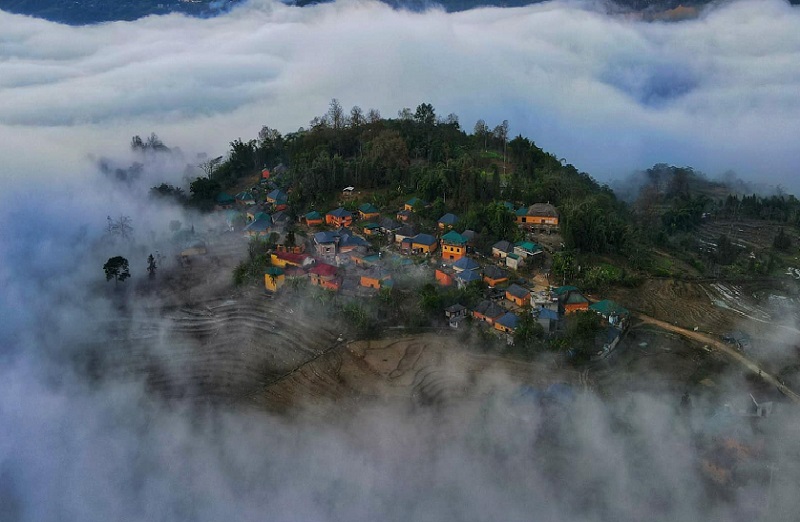
Ban Pho Village: Experience Local Life Beyond the Tourist Trail in Bac Ha, Vietnam
When travelers think about Northern Vietnam, destinations such as Sapa, Ha Giang, and Ha Long Bay often come to mind first. These places are famous for their dramatic landscapes and cultural attractions, but Northern Vietnam also offers quieter destinations where visitors can discover local life at a slower pace.
Ban Pho Village in Bac Ha, Lao Cai Province, is one place worth exploring for travelers interested in traditional culture, rural landscapes, and experiences beyond Vietnam’s busiest tourist routes.
Located in the Bac Ha area, Ban Pho is associated with the cultural life of the Flower Hmong community. It offers an opportunity to learn about local traditions, agricultural livelihoods, traditional food, and the everyday rhythms of a mountain community.
Whether you are planning a trip to Bac Ha Sunday Market or looking for less touristy places in Northern Vietnam, this guide explains what makes Ban Pho worth visiting, what to experience, and how to approach your visit respectfully.
1. Where Is Ban Pho Village?
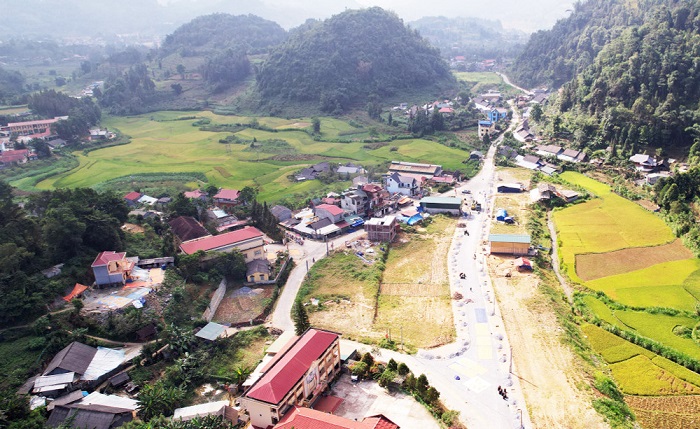 Ban Pho is a village area in Bac Ha, a mountainous destination in Lao Cai Province in northern Vietnam. Bac Ha is widely known for its Sunday market, colorful ethnic clothing, agricultural landscapes, and diverse highland communities.
Compared with the more developed tourist areas of Sapa, the Bac Ha region can offer a different travel experience. Rather than focusing only on viewpoints and trekking routes, visitors can spend time learning about local customs and the everyday lives of residents.
Ban Pho is particularly relevant to travelers who want to explore the cultural side of Bac Ha.
How far is Ban Pho from Bac Ha town?
Ban Pho is located in the Bac Ha area, making it a possible addition to a wider visit to the town and its surrounding countryside. Actual travel time depends on the specific village destination, road conditions, and where you begin your journey.
If you plan to visit independently, confirm the location and transport arrangements locally before setting off. A local guide or a well-planned itinerary can help you combine several nearby attractions without rushing.
Why include Ban Pho in a Northern Vietnam itinerary?
Ban Pho can complement a visit to Bac Ha Sunday Market. The market provides a lively gathering place where people buy and sell local products, while a village visit offers a different perspective on life beyond the market.
Together, these experiences help travelers understand that ethnic culture is not simply something displayed at a tourist attraction. It is part of everyday life, shaped by family, farming, food, language, and community traditions.
2. Discover Flower Hmong Culture in Ban Pho
One of the most interesting aspects of visiting the Bac Ha region is the opportunity to learn about the Flower Hmong community.
Flower Hmong people are known for their colorful traditional clothing and distinctive textile traditions. Their cultural identity is expressed through clothing, language, family customs, food, and community gatherings.
However, it is important to remember that no single village or individual represents an entire ethnic group. Customs can vary between families and communities, and traditions continue to change over time.
Traditional clothing and textile patterns
Colorful clothing is one of the cultural features many visitors notice in the Bac Ha region. Traditional garments can include intricate embroidery, patterned fabric, pleated skirts, decorative accessories, and carefully coordinated colors.
These textiles reflect considerable skill and time. Where locally made clothing or handicrafts are available for sale, purchasing directly from makers can be a meaningful way to support local livelihoods.
If you photograph clothing or textile work, ask permission before taking close-up pictures of people or their personal belongings.
Language, family, and community life
Language and family relationships play important roles in maintaining cultural identity. In rural communities, knowledge and skills may be passed from one generation to another through everyday activities, including cooking, farming, sewing, and caring for family members.
Visitors should avoid assuming that everyone in a village speaks English or wants to interact with tourists. A friendly greeting, patience, and a willingness to listen can make a visit more rewarding.
Culture is part of everyday life
A village is first and foremost a place where people live and work. The most valuable cultural experience may not be a formal performance or a designated attraction. It may be observing how local products are prepared, learning about seasonal farming, or having a conversation with a resident who chooses to share their knowledge.
For a deeper introduction to the community, read our related guide to Flower Hmong culture in Bac Ha.
3. Traditional Food and Corn Wine in Bac Ha
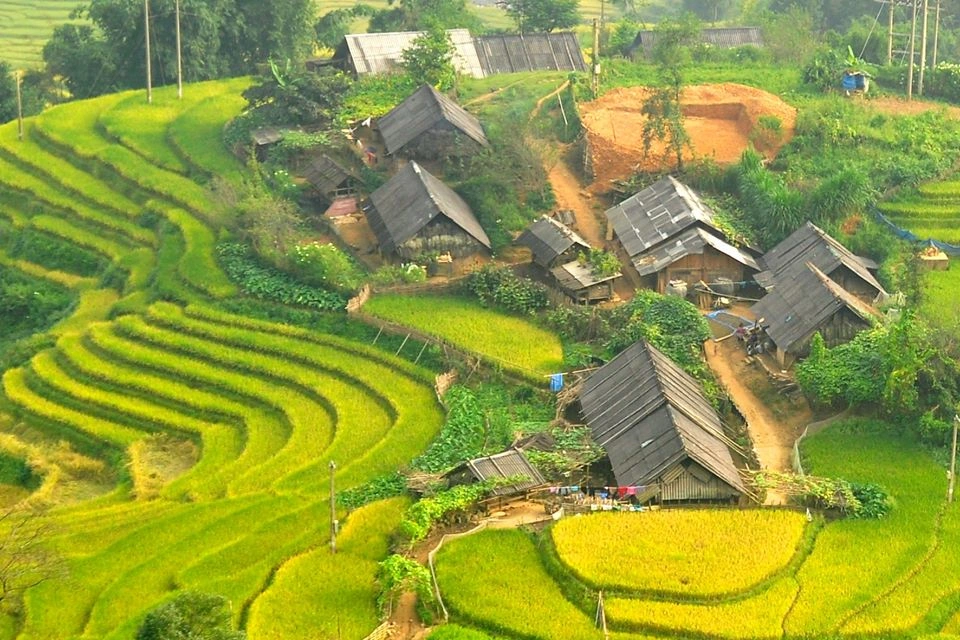
Food is an important part of discovering Northern Vietnam. In the Bac Ha region, local ingredients and traditional preparation methods reflect the area’s agricultural environment and cultural diversity.
Visitors may encounter regional dishes, seasonal produce, handmade foods, and traditional drinks during a visit to local markets or community areas.
Learn about traditional corn wine
Traditional corn wine is associated with the Bac Ha area and is often mentioned among the region’s local food and drink traditions.
Its production can involve preparing locally grown corn, fermenting it, and distilling the fermented mixture. Specific techniques and ingredients vary, so visitors should ask local producers about their own methods rather than assuming every household follows the same process.
If a host offers an explanation or demonstration, treat it as an opportunity to learn about local knowledge and livelihoods. Do not enter a production area or handle equipment without permission.
Alcohol is not suitable for everyone. Visitors who do not drink can still learn about the production process without tasting the product.
Try regional food responsibly
Depending on the season and where you eat, you may find local dishes made with corn, rice, vegetables, meat, or other regional ingredients.
For a more comfortable experience:
- Ask what ingredients a dish contains, especially if you have food allergies.
- Choose food that is freshly prepared and served hot when appropriate.
- Carry drinking water and follow sensible food-safety practices.
- Ask about prices before ordering unfamiliar dishes.
- Be respectful if a household is not prepared to serve visitors.
Food experiences are most rewarding when they help visitors understand local ingredients and customs rather than treating a community as a culinary attraction.
Explore Bac Ha’s market food
Bac Ha Sunday Market is another place to discover regional food culture. The market can be busy, especially during peak visiting hours, so arrive with enough time to explore without rushing.
For practical advice on market food, timing, and transport, read our guide to Bac Ha Sunday Market.
4. What Can You Experience in Ban Pho Village?
Ban Pho is best approached as part of a broader cultural visit to Bac Ha rather than as a destination with a guaranteed list of tourist activities. What is available can depend on the season, local arrangements, and whether residents are welcoming visitors at that time.
Here are several ways to make the most of a visit.
Observe rural landscapes and agricultural life
The countryside around Bac Ha features mountain terrain, cultivated land, and settlements shaped by local farming practices.
Depending on the season, visitors may see different stages of agricultural work. The landscape can look very different throughout the year, so there is no single appearance that defines the region.
Stay on appropriate paths and avoid walking through crops or entering private land without permission. If you want to photograph a farm or ask about a particular activity, seek the owner’s consent first.
Learn from local residents
If a community visit has been arranged with a local host, ask open questions about daily life, traditional food, farming, or local crafts.
Good questions invite people to explain their own experiences. Avoid treating residents as representatives of every Flower Hmong person or expecting them to perform cultural practices on demand.
A responsible visit gives hosts control over what they want to share and how they want to share it.
Look for locally made products
Local markets and shops may offer textiles, clothing, food products, or other handmade goods. Availability varies, and not every item described as traditional is necessarily made locally.
If supporting local artisans is important to you, ask who made an item and whether the seller can explain its materials or production process. Buying something you genuinely value is usually more meaningful than purchasing souvenirs simply because they appear exotic.
Enjoy a slower pace of travel
One of the advantages of exploring beyond major tourist centers is the opportunity to spend more time in one place.
Instead of trying to visit as many attractions as possible, leave room for an unhurried walk, a local meal, or a conversation with a guide. These quieter moments can provide a more personal understanding of the region.
5. Ban Pho Village and Bac Ha Sunday Market: How Are They Different?
Ban Pho and Bac Ha Sunday Market can complement each other, but they offer different experiences.
Bac Ha Sunday Market is a lively public gathering where visitors may see local trading, regional products, traditional clothing, and a mix of local residents and travelers.
Ban Pho Village offers a more village-oriented perspective on the Bac Ha area. A visit may provide more context about rural life, local traditions, and the communities behind the products and cultural practices seen at the market.
For first-time visitors, combining both can create a more rounded experience of Bac Ha.
Should you visit both on the same day?
It may be possible to combine the market and a village visit, depending on the itinerary, road conditions, and time available. Sunday market hours, travel distances, and the timing of any arranged village experience should be confirmed before your trip.
Avoid planning a schedule that leaves only a few minutes for each location. If your main interest is cultural learning, a slower itinerary is often more rewarding than trying to fit in every nearby attraction.
For another stop with historical interest, you can also explore Hoang A Tuong Palace in Bac Ha.
6. Best Time to Visit Ban Pho Village
The best time to visit depends on what you want to experience. Bac Ha has a mountainous climate, and conditions can differ from those in Vietnam’s lowland cities.
Spring
Spring can bring fresh vegetation and changing agricultural landscapes. Temperatures may vary considerably between daytime and evening, so layered clothing is useful.
Summer
Summer can be greener, but rain may affect rural roads and outdoor plans. Check local conditions before traveling, particularly if your itinerary includes walking or driving on smaller roads.
Autumn
Autumn can offer comfortable conditions for exploring the countryside, although the weather varies from year to year. It is a good idea to confirm the forecast close to your departure date.
Winter
Winter can be cold in the northern mountains, especially in the morning and evening. Bring warm layers and suitable footwear if you plan to spend time outdoors.
Is Sunday the best day to visit Ban Pho?
Sunday is particularly important for travelers interested in Bac Ha Sunday Market. However, the market and a village visit are not the same experience, and a village does not necessarily have special visitor activities every Sunday.
If you want to combine the market with Ban Pho, plan the route around the market schedule and confirm what is possible locally.
7. How to Get to Ban Pho Village
Most visitors approach Ban Pho as part of a trip to Bac Ha.
Travel from Hanoi
Travelers can arrange transport from Hanoi to the Bac Ha area by road, sometimes combining different transport services through Lao Cai or other regional connections. Journey times vary with the route, traffic, and transport type.
For a smoother trip, check departure points, arrival locations, and onward transport before booking. If you are traveling on a tight schedule, allow a buffer for delays.
Travel from Sapa
Sapa and Bac Ha are separate destinations in Northern Vietnam. Traveling between them involves road transport, and the journey can take several hours depending on the route and conditions.
Do not assume that a short distance on a map means a quick transfer in the mountains. Confirm the planned route with your driver or tour operator, particularly if you intend to visit Bac Ha Sunday Market and return to Sapa on the same day.
Hire a local driver or join an organized tour
A private driver can offer flexibility, while an organized tour may simplify transport and itinerary planning.
When choosing a tour, ask whether Ban Pho is a confirmed stop, how long you will spend there, whether a local guide is included, and what is covered in the price. This is especially important if the tour also includes the Sunday market or other attractions.
Our Sapa on a Sunday tour is a relevant option to review if you want to explore the wider Sapa and Bac Ha region. Check the current itinerary and inclusions directly before booking to confirm whether Ban Pho is included.
8. Responsible Travel Tips for Visiting Ban Pho
Less touristy travel is not automatically responsible travel. A quieter village can still experience disruption if visitors ignore privacy, local customs, or environmental considerations.
Use these guidelines to make your visit more respectful.
Ask before taking photographs
Always ask permission before photographing residents, especially children, people at work, or private family activities. A smile is not the same as consent.
If someone declines, respect their decision without pressing them.
Respect private homes and working spaces
Do not enter a house, courtyard, farm, or workshop unless you have been invited or have clear permission.
If your visit is arranged through a guide or host, follow their advice about which areas are appropriate for visitors.
Support the local economy fairly
Where possible, pay fair prices for food, guiding, transport, and locally made products. If you arrange a community visit, ask how the experience is organized and whether the host or local guide receives payment.
Avoid assuming that people should provide free demonstrations, meals, or access to private spaces simply because you are a traveler.
Avoid cultural stereotypes
Traditional clothing, language, and customs are meaningful parts of people’s lives, not costumes or performances created for tourists.
Listen to local explanations and remain open to differences between families and individuals. Do not assume that every resident wants to discuss their culture with visitors.
Reduce waste
Carry reusable water bottles where safe refilling is available, take rubbish with you, and avoid leaving packaging along paths or in public areas.
Small actions help preserve the quality of the environment for residents and future visitors.
9. Is Ban Pho Village Worth Visiting?
Ban Pho may be a good choice for travelers who are curious about local life and want to explore the Bac Ha area beyond its best-known market.
It is particularly suitable for visitors who:
- Enjoy cultural travel and learning from local communities.
- Want to understand the context behind traditional clothing, food, and crafts.
- Prefer slower itineraries over visiting attractions in quick succession.
- Are already planning to explore Bac Ha and nearby destinations.
- Are willing to travel respectfully and accept that rural experiences may be less structured than conventional tourist activities.
It may be less suitable for travelers who expect a large attraction with fixed opening hours, a guaranteed performance, or a long list of formal visitor facilities.
The key is to arrive with realistic expectations. Ban Pho is a living community, and the quality of the experience depends on the way the visit is organized and the opportunities available at the time.
10. Explore Bac Ha and Sapa with a Local Perspective
Ban Pho can be one part of a wider Northern Vietnam itinerary that combines culture, landscapes, and village visits.
Bac Ha offers the opportunity to explore a distinctive highland market and learn about regional traditions. Sapa, meanwhile, is known for mountain scenery, trekking routes, and villages in the Muong Hoa Valley, including Y Linh Ho, Lao Chai, and Ta Van.
Combining the two areas can give travelers a broader view of Northern Vietnam. The exact itinerary should be designed around available time, road conditions, and the places you most want to explore.
If you are interested in a guided journey, take a look at our Sapa on a Sunday: A Perfect Blend of Culture and Scenic Beauty tour page. Review the current schedule and inclusions, and contact the team to confirm whether the itinerary fits your interests.
Ready to discover Northern Vietnam beyond the usual tourist trail? Plan a trip that gives you time to appreciate the scenery, learn about local culture, and travel with respect for the communities you visit.
Frequently Asked Questions
Where is Ban Pho Village in Vietnam?
Ban Pho is in the Bac Ha area of Lao Cai Province in Northern Vietnam. It can be considered as part of a wider visit to Bac Ha and its surrounding countryside.
What is Ban Pho Village known for?
Ban Pho is associated with the cultural life of the Bac Ha region, including the Flower Hmong community. Travelers interested in rural life, regional food traditions, and cultural experiences may find it a worthwhile stop.
Can I visit Ban Pho Village and Bac Ha Sunday Market in one day?
It may be possible, depending on your transport, route, and available time. Confirm travel arrangements and the current market schedule before planning your day.
Is Ban Pho Village suitable for independent travelers?
Independent travelers may be able to visit the area, but transport and access to specific experiences should be confirmed locally. A local guide can help with route planning and cultural context.
Can visitors try traditional corn wine in Ban Pho?
Traditional corn wine is associated with the Bac Ha region. Whether tasting is available depends on the host or establishment. Visitors can also learn about local production without drinking alcohol.
What should I wear when visiting Ban Pho?
Wear comfortable clothing suitable for the weather and sturdy footwear if you expect to walk on uneven ground. Bring an extra layer in cooler months and rain protection during wetter periods.
Is Ban Pho a less touristy destination in Vietnam?
Ban Pho can offer a village-oriented experience beyond major tourist centers, but visitor activity varies. Travel respectfully, avoid treating residents as attractions, and confirm access arrangements before visiting.
How can I include Ban Pho in a Sapa trip?
You can plan it as part of a broader itinerary linking Sapa and Bac Ha, provided you allow sufficient time for road travel. Check the details of any organized tour and confirm whether Ban Pho is an included stop.