

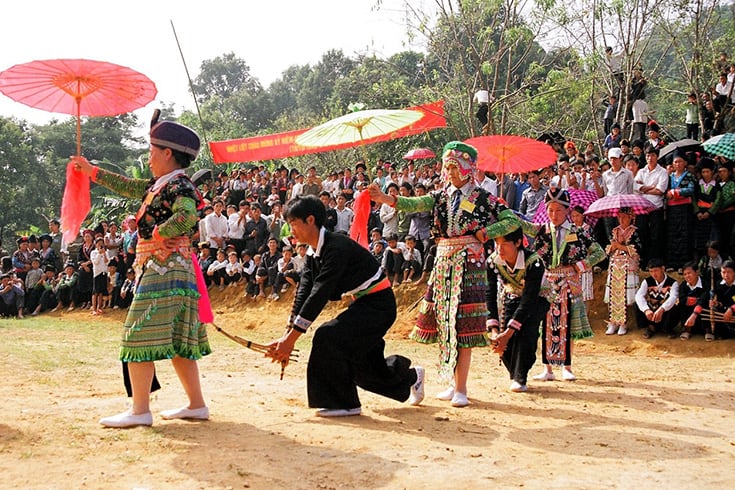
Flower Hmong Culture in Bac Ha: A Cultural Journey Through Northern Vietnam
Northern Vietnam is home to a remarkable diversity of ethnic communities, each with its own traditions, clothing, food, and relationship with the surrounding landscape. Among the communities visitors may encounter in the highlands around Bac Ha, the Flower Hmong are particularly recognizable for their colorful traditional clothing and rich textile traditions.
For travelers interested in cultural experiences beyond Vietnam’s busiest tourist destinations, Bac Ha offers an opportunity to observe everyday life in a mountain region where traditional markets remain important social and economic spaces.
A visit to Bac Ha Sunday Market can introduce travelers to local products, traditional clothing, regional food, and the interactions between people from surrounding villages. However, understanding Flower Hmong culture requires looking beyond colorful photographs and souvenir stalls. It means recognizing the people behind these traditions and approaching their communities with curiosity, respect, and an open mind.
In this guide, discover the cultural traditions associated with the Flower Hmong, what you may experience at Bac Ha Market, where to explore the surrounding area, and how to plan a meaningful cultural journey through Northern Vietnam.
Who Are the Flower Hmong in Northern Vietnam?
The Hmong are an ethnic group with communities across several countries in Asia, including Vietnam. In Northern Vietnam, Hmong communities live in mountainous areas where geography, agriculture, trade, and local traditions have shaped everyday life.
The term Flower Hmong is commonly used for Hmong communities known for particularly colorful clothing and intricate decorative patterns. The expression is associated with visual and cultural distinctions, although clothing styles and community identities can vary between localities.
Around Bac Ha and neighboring highland areas, visitors may encounter people wearing embroidered garments, decorated skirts, head coverings, and other traditional accessories.
These styles are more than visual attractions. They reflect textile skills, cultural identity, personal expression, and traditions that have developed over generations.
It is important to remember that Hmong communities are not all the same. Practices, clothing, languages, and lifestyles may differ between places and families. Contemporary life also combines long-standing traditions with education, technology, commerce, and modern employment.
For visitors, the most rewarding approach is to appreciate this diversity rather than treating every community as interchangeable.
1. Traditional Flower Hmong Clothing: A Living Textile Tradition
One of the most distinctive features of Flower Hmong culture is traditional clothing.
In the Bac Ha region, some traditional outfits feature brightly colored fabrics, embroidered motifs, decorative borders, pleated skirts, and carefully arranged accessories. The combinations of colors and patterns can make the clothing particularly striking in a busy market setting.
The Art of Embroidery and Fabric Decoration
Traditional clothing often requires considerable time and skill to produce. Depending on the garment and local tradition, decorative techniques may include embroidery, appliqué, pleating, and other forms of textile work.
Patterns and colors contribute to the appearance of a garment and may reflect local aesthetic preferences, family practices, or community identity.
If you are interested in textiles, take time to observe the stitching, materials, and construction rather than focusing only on the overall colors.
At the market, you may also find modern garments, commercially produced textiles, and handmade products. Not every colorful item is necessarily made locally, so ask sellers about an item’s origin if authenticity matters to you.
Why Traditional Clothing Still Matters
Traditional clothing remains a visible expression of cultural identity, although the way people dress varies according to age, occasion, personal preference, and daily activities.
Some residents wear traditional garments as part of everyday life or for particular social occasions. Others may combine traditional elements with modern clothing.
Visitors should avoid assuming that everyone will be wearing traditional dress at every moment. The market is a place where people carry out ordinary activities, and clothing is only one part of a much broader cultural picture.
Can Visitors Buy Traditional Textiles in Bac Ha?
Depending on the vendors present, Bac Ha Market may offer embroidered fabrics, clothing, bags, accessories, and other textile products.
If you want to support local craftspeople, ask about the materials and production process. Buying thoughtfully can help sustain local businesses while giving you a more meaningful connection to the items you take home.
Remember that prices reflect more than the cost of raw materials. Handmade work may require substantial time and skill, so respectful bargaining is preferable to pushing prices down simply for the sake of a cheaper souvenir.
2. Bac Ha Sunday Market: A Meeting Place for Local Communities
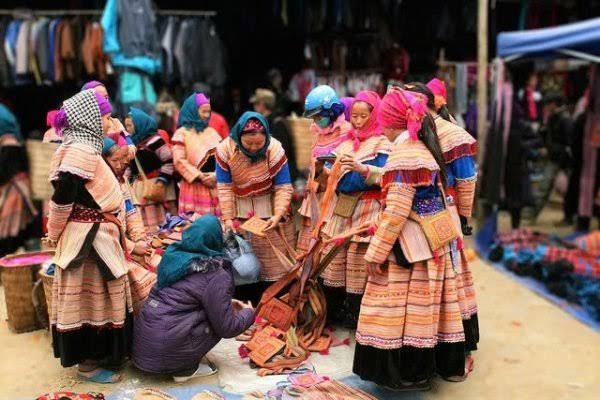
Bac Ha Sunday Market is one of the most recognizable cultural experiences in the region.
Held on Sundays, the market attracts people from surrounding villages who come to buy and sell goods, shop for household supplies, exchange news, and meet acquaintances.
For travelers, the market provides a glimpse into the relationship between trade and social life in the northern highlands.
What Can You See at the Market?
The market may feature fresh vegetables, seasonal fruit, household goods, fabrics, traditional clothing, handicrafts, and prepared food.
Different sections serve different purposes, and the atmosphere can vary throughout the morning. Some areas are focused on everyday necessities, while others attract visitors interested in regional products and souvenirs.
Rather than walking through as quickly as possible, spend time observing how the market functions. Notice the interactions between vendors and customers, the products brought in from nearby villages, and the ways people use the market as a gathering place.
These ordinary details often provide a more meaningful cultural experience than simply photographing the busiest stalls.
Why Sunday Is the Best Day to Visit
Sunday is the main market day, making it the best time to experience the traditional weekly gathering.
Arriving early is generally a practical choice because many market activities take place in the morning. It also gives you more time to explore the area before continuing to nearby attractions.
Exact activity levels and opening arrangements can vary. If you are traveling from Sapa, plan transportation in advance and confirm the expected journey time.
How to Enjoy the Market Respectfully
Bac Ha Market is first and foremost a place for local people to conduct business and socialize.
Ask before taking photographs, especially close-up portraits. Avoid blocking vendors or customers while they are trading, and do not assume that traditional clothing means someone is participating in a tourist performance.
If you want to buy something, communicate politely and treat the seller as a business owner rather than a cultural exhibit.
A respectful visit allows you to enjoy the market while recognizing its continuing importance to the surrounding communities.
3. Daily Life and Traditions in the Bac Ha Highlands
The highlands around Bac Ha are shaped by mountains, agricultural land, village networks, and local markets.
For many households, farming and small-scale trade have historically played important roles in daily life. The specific activities of individual families vary, and contemporary livelihoods may also include tourism, education, salaried work, and other businesses.
Agriculture and the Mountain Environment
Terraced fields and cultivated hillsides are familiar features of Northern Vietnam’s mountain landscapes.
Agricultural practices depend on local terrain, water availability, seasonal weather, and household needs. Around the broader Bac Ha region, visitors may see cultivated plots, livestock, gardens, and rural settlements.
These landscapes are not merely scenic backdrops. They are part of working environments that require knowledge, labor, and adaptation to mountain conditions.
When walking through rural areas, stay on appropriate paths and avoid entering cultivated land without permission.
Community Connections Through Markets
Traditional markets create opportunities for people from different villages to exchange goods and maintain social relationships.
A market visit may involve purchasing food, selling agricultural products, finding household supplies, or meeting friends and relatives.
These functions help explain why weekly markets remain important even as transportation, communications, and shopping habits change.
For travelers, understanding this social role adds context to what might otherwise seem like a colorful shopping destination.
Tradition and Modern Life
Cultural traditions are not frozen in time. Communities across Northern Vietnam continue to adapt to changes in education, technology, tourism, and economic opportunity.
Some families maintain traditional crafts, while others pursue new forms of work or combine several sources of income.
Responsible cultural travel should make room for these realities. Local people are individuals with different priorities, interests, and ambitions, not simply representatives of a single tradition.
4. Local Food: Discovering Bac Ha Through Regional Flavors
Food provides another way to understand the culture and agricultural environment of the Bac Ha region.
Market stalls and small eateries may offer regional dishes, fresh produce, and traditional foods associated with Northern Vietnam’s highlands.
Bac Ha Sour Pho
Bac Ha sour pho is a regional noodle dish known for its distinctive tangy flavor. Depending on the preparation, it may combine noodles with herbs, vegetables, meat, and a dressing or sauce.
Recipes and ingredients vary between vendors, so trying the dish at a local eatery can provide an introduction to regional food traditions.
Men Men
Men men is a traditional dish made from ground corn and is particularly associated with Hmong cuisine.
Corn has played an important role in the food traditions of some highland communities, where local agricultural conditions influence available ingredients.
The texture, preparation, and accompanying dishes can vary. If you are interested in local food culture, ask how a dish is prepared and when it is traditionally eaten.
Thang Co and Other Regional Dishes
Thang co is a traditional highland dish associated with some local markets and community gatherings. Its preparation can involve ingredients that may not suit every visitor.
Ask about the ingredients before ordering, especially if you have dietary restrictions.
You may also encounter seasonal vegetables, grilled foods, soups, and other regional specialties.
Trying local dishes is a way to explore the relationship between agriculture, climate, and cultural practices. You do not need to sample everything; choose foods that suit your preferences and dietary needs.
5. Traditional Crafts and Local Products
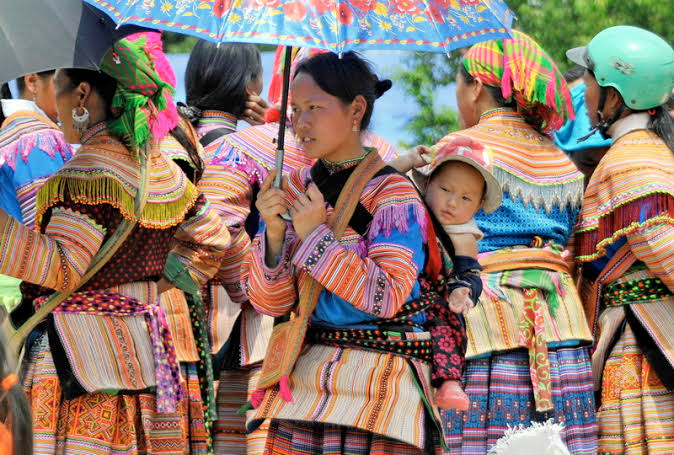
Craftsmanship is another possible point of connection between visitors and local communities.
Depending on the market stalls and local businesses operating during your visit, you may find textiles, embroidered accessories, clothing, baskets, and other handmade or locally sold products.
How to Recognize and Appreciate Handmade Work
If you are interested in purchasing traditional crafts, ask sellers about the materials, techniques, and origin of their products.
Some items may be handmade by local craftspeople, while others may come from different parts of Vietnam or be commercially manufactured.
It is best to avoid assuming that every item sold at a cultural market represents a particular ethnic tradition.
Learning a little about how an object is produced can make your purchase more meaningful and help you make an informed choice.
Shopping as a Form of Responsible Travel
Purchasing products directly from local vendors can support small businesses and create opportunities for cultural exchange.
Consider buying an item because you value its craftsmanship or usefulness, rather than purchasing souvenirs that you do not need.
If you negotiate a price, do so politely. Remember that a handmade product may represent many hours of work, and a fair transaction benefits both buyer and seller.
6. What to See Around Bac Ha Beyond the Market
A visit to Bac Ha can be combined with nearby attractions for a broader understanding of the region.
Hoang A Tuong Palace
Hoang A Tuong Palace is a notable historic building in Bac Ha, recognized for its distinctive architecture and association with the area’s past.
Its architectural features offer a contrast with the surrounding mountain landscape and provide additional context for understanding local history.
Check current opening arrangements before visiting, particularly if your schedule is tight.
Ban Pho Village
Ban Pho is associated with highland culture and traditional corn wine production. The surrounding area also offers opportunities to observe rural landscapes and village life.
If you visit residential areas, respect private property and ask permission before photographing residents or entering homes.
Sapa’s Mountain Villages
Sapa offers a complementary experience for travelers interested in mountain scenery and trekking.
Villages such as Y Linh Ho, Lao Chai, and Ta Van are known for terraced rice fields, valley views, and walking routes through rural landscapes.
Combining Bac Ha’s market with Sapa’s villages can create a varied trip that includes both cultural exploration and outdoor activity.
Because these destinations are separated by road journeys, plan your itinerary carefully if you want to visit several places within a short period.
7. Best Time to Experience Flower Hmong Culture in Bac Ha
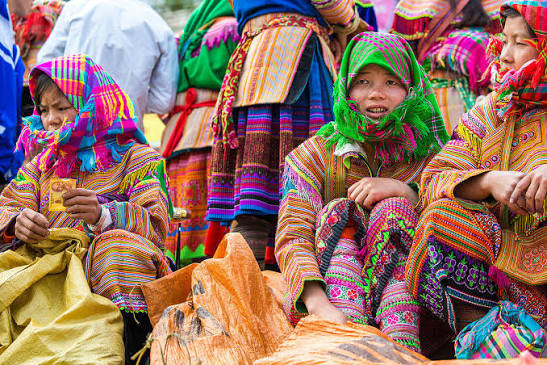
The main consideration when planning a visit to Bac Ha Market is the weekly market day.
Visit on Sunday Morning
Sunday is the principal market day, and the morning is generally the most practical time to explore.
Arriving early gives you more time to browse products, try local food, and observe market activities before continuing your journey.
If you are traveling from Sapa, remember to account for transportation time and possible changes in road conditions.
Consider the Seasonal Weather
The wider Bac Ha region experiences seasonal variations that affect travel comfort and the surrounding scenery.
Spring can bring cool weather and seasonal blossoms. Summer may be greener but wetter, while autumn can offer attractive mountain landscapes depending on local agricultural conditions. Winter can be cold, particularly in the morning.
Bring clothing appropriate for the forecast, and avoid assuming that weather conditions will be the same across different elevations.
The market’s cultural value is not limited to one season. The best time for your visit depends on your travel dates, interests, and the practicalities of getting there.
8. How to Experience Flower Hmong Culture Respectfully
A meaningful cultural journey requires more than visiting a market or buying traditional clothing.
It starts with recognizing that local communities have their own priorities and that tourism should not interfere unnecessarily with everyday life.
Ask Before Taking Photographs
Always ask permission before photographing individuals, particularly when taking close-up portraits.
If someone declines, accept the decision without pressure. Avoid photographing children without permission from their parent or guardian.
Learn Before You Visit
Reading about the region’s history, languages, and cultural diversity can help you understand what you see.
A knowledgeable local guide may also explain the context behind clothing, crafts, agricultural practices, and market traditions.
Remember that no single guide or resident can represent every member of a diverse community.
Support Local Businesses Thoughtfully
Buying products from local vendors, eating at local establishments, and choosing responsible tourism services can help distribute tourism spending.
Ask about the origin of products if authenticity is important to you, and avoid making assumptions about how much an item should cost.
Respect Residential and Agricultural Areas
Villages are living environments. Keep noise levels reasonable, follow appropriate paths, and do not enter homes or cultivated land without permission.
If you visit a homestay or take part in a cultural activity, arrange it in advance and follow your host’s guidance.
Avoid Treating Culture as a Performance
Traditional clothing, crafts, food, and markets are part of a broader social context.
Approach them with genuine curiosity rather than expecting every interaction to become a photograph or staged cultural moment.
This mindset creates a more thoughtful experience for visitors and helps respect the dignity of local residents.
9. How to Combine Bac Ha With a Sapa Cultural and Trekking Tour
If you want to explore the cultural diversity of Northern Vietnam, consider combining Bac Ha with a multi-day visit to Sapa.
Bac Ha is particularly associated with its Sunday market and surrounding highland communities. Sapa is known for its mountain scenery, terraced fields, and village trekking routes.
Together, they offer different perspectives on the region’s landscapes and communities.
An organized tour may simplify transportation and scheduling, particularly if you have limited time or prefer an English-speaking guide.
Before booking, check the itinerary carefully. Confirm the market visit, travel times between destinations, accommodation, meals, guide services, and whether any additional costs apply.
Who Might Enjoy This Type of Tour?
A combined cultural and scenic itinerary may appeal to:
- Travelers interested in ethnic cultures and traditional markets.
- Couples seeking a varied Northern Vietnam experience.
- Photographers interested in colorful markets and mountain landscapes.
- Visitors who want to combine village walks with cultural exploration.
- Travelers who prefer organized transport rather than coordinating every transfer independently.
If you have specific mobility requirements, dietary needs, or preferences about group size, discuss them with the tour operator before making a reservation.
10. Discover Bac Ha’s Cultural Heritage With Less Touristy Tour Vietnam
Flower Hmong culture is one part of the wider cultural diversity of Northern Vietnam. Traditional clothing, textile skills, local food, and weekly markets offer ways to learn about the region, but the most rewarding experiences come from looking beyond appearances.
A visit to Bac Ha Sunday Market can introduce you to the relationships between local trade, community life, and the mountain environment.
Combined with Sapa’s terraced landscapes and village trekking routes, it can become part of a memorable journey through Northern Vietnam.
For travelers who want to experience both cultural discovery and scenic beauty, explore the Sapa on a Sunday: A Perfect Blend of Culture and Scenic Beauty tour by Less Touristy Tour Vietnam.
The tour combines a Bac Ha market experience with exploration around Sapa. Review the current itinerary to confirm the sequence of activities, transportation, accommodation, and included services before booking.
Ready to discover the cultural side of Northern Vietnam?
Explore the Sapa on a Sunday Tour and plan a journey that brings together mountain scenery, local markets, and cultural experiences.
Frequently Asked Questions About Flower Hmong Culture
Who are the Flower Hmong in Vietnam?
The Flower Hmong are Hmong communities commonly associated with colorful traditional clothing and distinctive textile decoration. In Northern Vietnam, visitors may encounter Flower Hmong people in and around Bac Ha and neighboring highland areas.
Where can I experience Flower Hmong culture in Vietnam?
Bac Ha Sunday Market is one of the best-known places to encounter Flower Hmong clothing, local products, food, and community market activity. Experiences vary by season and market day.
What makes Flower Hmong clothing distinctive?
Some traditional garments feature bright colors, embroidery, decorative patterns, and carefully arranged accessories. Styles vary between local communities and individuals.
Is Bac Ha Sunday Market worth visiting?
Yes, particularly if you are interested in traditional markets, regional food, textiles, and the cultural diversity of Northern Vietnam. Visiting on Sunday morning is generally the best way to experience the main market.
Can I buy traditional Hmong handicrafts in Bac Ha?
You may find embroidered textiles, clothing, accessories, and other products. Ask vendors about the origin and production methods if you want to support locally made crafts.
What is the best way to visit Bac Ha from Sapa?
Options may include organized tours, private transport, and independently arranged travel. Because the journey takes time, plan your departure carefully if you want to arrive during the Sunday market’s main activity period.
How can I photograph local people respectfully?
Ask permission before taking photographs, respect refusals, and avoid treating people as tourist attractions. A polite interaction is more important than getting a particular photograph.
Can I combine a Bac Ha market visit with Sapa trekking?
Yes. A multi-day itinerary can combine Bac Ha’s market with village walks and scenic trekking around Sapa. Confirm transportation arrangements and the sequence of activities before booking.