


Independent Travel in Vietnam: An A–Z Guide for Foreign Travelers
Is Vietnam Easy to Travel Around Independently?
Independent travel in Vietnam is becoming increasingly popular among international travelers thanks to its diverse landscapes, affordable travel options, excellent food, and strong cultural identity.
From the historic streets of Hanoi and the limestone landscapes of Ninh Binh to the beaches of Central Vietnam and the waterways of the Mekong Delta, Vietnam offers an impressive variety of experiences even if you choose not to join an organized package tour.
For foreign travelers, the key is not necessarily creating an extremely detailed itinerary. Instead, it is important to understand how transportation works, where to stay, how to use money, how to get around, and how to respect local customs.
This A–Z Vietnam travel guide for foreigners will help you prepare for your trip and experience Vietnam independently, comfortably, and at your own pace.
1. Why Travel Around Vietnam Independently?
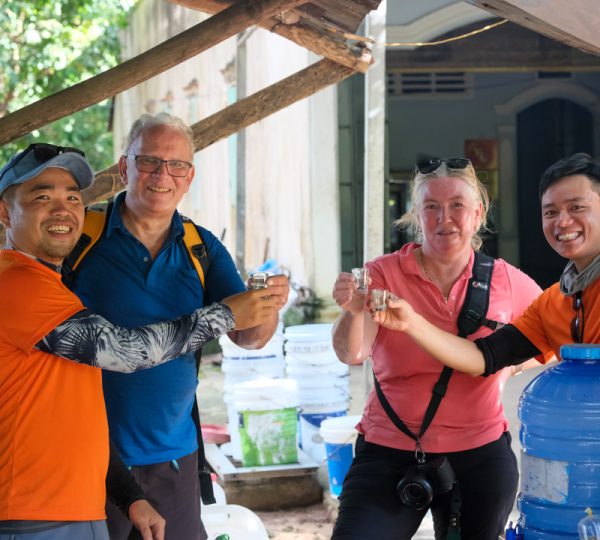
There are many reasons why Vietnam is particularly suitable for independent travelers.
Affordable Travel Options
Compared with many destinations in Western Europe, North America, or Australia, accommodation, food, and transportation in Vietnam can be relatively affordable.
Travelers can choose from:
- Hostels and homestays
- 3–4-star hotels
- Boutique hotels
- Luxury resorts
- Local restaurants
- International restaurants
- Buses, trains, domestic flights, and private transportation
This makes it easy to build a trip around your own budget.
Vietnam Offers Many Different Travel Experiences
A single trip can combine:
Culture → Nature → Food → Beach → Adventure → Wellness
For example:
Hanoi → Ninh Binh → Ha Long Bay → Hue → Hoi An → Ho Chi Minh City → Mekong Delta
During the same journey, you can discover history, nature, cuisine, architecture, and everyday local life.
Independent Travel Can Offer More Authentic Experiences
Without a fixed tour schedule, you have more freedom to spend time in less touristy areas.
Instead of visiting only famous attractions, try:
- Having breakfast at a local restaurant
- Visiting traditional markets
- Cycling through the countryside
- Joining a Vietnamese cooking class
- Learning how to make Vietnamese coffee
- Visiting traditional craft villages
- Walking through quieter neighborhoods
- Staying at a local homestay
- Joining community-based activities
This is also the spirit of Less Touristy Travel – discovering Vietnam beyond the standard tourist routes.
2. Do Foreigners Need a Visa to Visit Vietnam?
Visa requirements should be one of the first things you check before traveling to Vietnam.
Vietnam’s entry regulations depend on your nationality, passport, length of stay, and purpose of travel.
Vietnam currently operates an e-visa system for citizens of many countries.
Travelers should always check the latest official immigration information before booking flights, especially if:
- You plan to stay in Vietnam for an extended period
- You need multiple entries
- You plan to cross international land borders
- Your passport has limited remaining validity
- You are combining Vietnam with other Southeast Asian countries
Important: Avoid relying exclusively on old travel blogs because visa and entry regulations can change.
3. When Is the Best Time to Travel Around Vietnam?
Vietnam has a unique climate because the country stretches from north to south.
There is no single “best time” that is perfect for the entire country.
Northern Vietnam
Hanoi, Ninh Binh, Ha Long Bay, Sapa, and Ha Giang can experience relatively cool winters.
Autumn and spring are often comfortable periods for exploring northern Vietnam, although weather conditions vary between destinations.
If you are interested in trekking and mountain landscapes, always check the local weather before traveling.
Central Vietnam
Hue, Da Nang, Hoi An, and other destinations along the central coast have their own rainy and dry seasons.
If you want to combine:
- Beaches
- Cultural attractions
- Cycling
- Walking
- Outdoor activities
check the weather forecast before finalizing your itinerary.
Southern Vietnam
Ho Chi Minh City, the Mekong Delta, Phu Quoc, and southern destinations have a tropical climate.
Temperatures are generally warm throughout the year, although the rainy season can affect outdoor activities.
A Useful Tip
If your trip lasts 10–14 days, don’t try to find one perfect month for the entire country.
Instead, decide which region you want to explore most and build your itinerary around it.
4. Where Should You Start Your Vietnam Trip?
For first-time visitors, three cities are particularly convenient starting points.
Hanoi
Ideal if you want to explore:
- Vietnamese history
- The Old Quarter
- Street food
- Ninh Binh
- Ha Long Bay
- Sapa
- Ha Giang
Ho Chi Minh City
Ideal for:
- Food
- Nightlife
- Modern Vietnam
- Mekong Delta
- Cu Chi Tunnels
- Southern Vietnam
Da Nang
A convenient base if you want to combine:
- Da Nang
- Hoi An
- Hue
- Central Vietnam
- Beaches
- Local cuisine
If you have limited time, Northern or Central Vietnam can be excellent choices because they allow you to experience several different sides of the country without spending too much time traveling between regions.
5. How Many Days Do You Need for Vietnam?

5 Days in Vietnam
Don’t try to travel from north to south.
A practical itinerary would be:
Hanoi – Ninh Binh – Hanoi
or:
Da Nang – Hoi An – Hue
7 Days in Vietnam
Focus on one main region.
For example:
Hanoi → Ninh Binh → Ha Long Bay → Hanoi
Or:
Da Nang → Hoi An → Hue → Da Nang
10 Days in Vietnam
You can expand your journey:
Hanoi → Ninh Binh → Hoi An → Da Nang → Ho Chi Minh City
Domestic flights are recommended to save time.
14 Days in Vietnam
Two weeks is a good amount of time to experience several regions.
For example:
Hanoi → Ninh Binh → Ha Long Bay → Hue → Hoi An → Ho Chi Minh City → Mekong Delta
Three Weeks or More
With three weeks or longer, you can travel more slowly and add destinations that are less frequently visited by international tourists, such as:
- Ha Giang
- Cao Bang
- Phu Yen
- Quy Nhon
- Con Dao
- Mekong Delta
This is when the Less Touristy Vietnam approach becomes particularly rewarding.
6. Transportation in Vietnam
Transportation is one of the most important things for foreign travelers to understand.
Domestic Flights
If you are traveling between Northern, Central, and Southern Vietnam, flying is usually the fastest option.
Popular routes include:
Hanoi – Da Nang
Hanoi – Ho Chi Minh City
Da Nang – Ho Chi Minh City
Trains
Trains are ideal for travelers who want a slower journey and the opportunity to enjoy Vietnam’s scenery along the way.
The North–South railway is one of the country’s classic travel experiences.
You can combine train travel with destinations such as:
Hanoi → Hue → Da Nang → Nha Trang → Ho Chi Minh City
Buses
Sleeper buses and limousine buses are widely used on popular tourist routes.
They are particularly convenient for:
- Hanoi – Ninh Binh
- Hanoi – Sapa
- Hanoi – Ha Giang
- Da Nang – Hoi An
- Ho Chi Minh City – Mekong Delta
Taxis and Ride-Hailing Apps
Ride-hailing services make getting around major cities much easier.
Travelers should generally prioritize reputable platforms that display the estimated fare before the journey.
7. Should You Rent a Motorbike in Vietnam?

Renting a motorbike can be one of the most enjoyable ways to explore Vietnam.
It is particularly suitable for areas such as:
- Hoi An countryside
- Ninh Binh
- Ha Giang
- Phu Yen
- Quy Nhon
- Da Lat
However, do not assume that your foreign driver’s license automatically allows you to legally ride a motorbike in Vietnam.
Check the current legal requirements for your license and make sure you have appropriate insurance before renting.
Traffic in major cities can also be challenging for inexperienced riders.
If you are not familiar with Vietnamese traffic, start in quieter areas before attempting to ride in busy urban centers.
8. How Should You Book Accommodation in Vietnam?
Vietnam offers a huge range of accommodation options.
Budget Travelers
Consider:
- Hostels
- Guesthouses
- Homestays
- Budget hotels
Mid-Range Travelers
Boutique hotels and 3–4-star hotels are popular choices.
Luxury Travelers
Options include:
- 5-star hotels
- Beach resorts
- Boutique resorts
- Private villas
A Useful Tip
Don’t choose accommodation based only on its star rating.
Check:
- Location
- Recent reviews
- Cleanliness
- Room quality
- Breakfast
- International guest support
- Distance from attractions
A well-located 3-star hotel can sometimes be a better choice than a 5-star resort that is far from everything you want to see.
9. What Food Should You Try in Vietnam?
Food is one of the biggest reasons travelers fall in love with Vietnam.
Here are some dishes you should try.
Pho
Vietnam’s most internationally recognized dish.
Try it in different regions to discover variations in broth, herbs, and seasoning.
Banh Mi
A quick, affordable, and convenient meal when you’re traveling.
Bun Cha
A Hanoi specialty featuring grilled pork, noodles, herbs, and dipping sauce.
Cao Lau
One of the signature dishes of Hoi An.
Bun Bo Hue
A flavorful noodle soup strongly associated with Central Vietnam.
Com Tam
A popular Southern Vietnamese dish made with broken rice, often served with grilled pork.
Banh Xeo
A crispy Vietnamese savory pancake available in different regional styles.
Vietnamese Coffee
Don’t miss:
- Vietnamese iced coffee
- Egg coffee
- Coconut coffee
- Salt coffee
- Traditional Vietnamese drip coffee
For international visitors, experiencing Vietnamese coffee culture can become one of the highlights of their trip.
10. Is Street Food Safe in Vietnam?
In general, travelers can enjoy Vietnamese food comfortably if they choose restaurants and food stalls carefully.
Some simple rules:
- Choose busy restaurants with high customer turnover
- Prefer freshly cooked food
- Drink bottled water if you are not accustomed to the local water supply
- Wash your hands before eating
- Be cautious with raw food
- Tell restaurant staff about any food allergies
If you have food allergies, learn the Vietnamese names of the ingredients you need to avoid.
11. How Should Foreign Travelers Handle Money?
Vietnam’s official currency is the Vietnamese Dong (VND).
Cash remains useful, especially when:
- Eating at small local restaurants
- Shopping at traditional markets
- Traveling in rural areas
- Paying for small local services
- Using certain local transportation options
Cards and digital payments are increasingly common in major cities, hotels, and established businesses.
Money Management Tip
Don’t keep all your cash in one wallet.
Carry money in separate places and always double-check the denomination before paying.
Vietnamese currency has several denominations, so it may take international travelers a little time to become familiar with the notes.
12. Internet and SIM Cards in Vietnam
One of the first things you may want to arrange after arriving in Vietnam is mobile Internet access.
You can choose between:
- Physical SIM cards
- eSIM
- International roaming
An eSIM can be particularly convenient if your phone supports it.
Internet access allows you to:
- Book rides
- Navigate
- Translate languages
- Book accommodation
- Find restaurants
- Make payments
- Contact hotels and tour operators
13. Is the Language Barrier a Problem?
In major cities and popular tourist destinations, you will find many people who speak at least some English.
However, English may be less common in rural areas.
Learning a few Vietnamese phrases can be very helpful:
Xin chào – Hello
Cảm ơn – Thank you
Bao nhiêu tiền? – How much?
Không – No
Có – Yes
Ngon – Delicious
Giúp tôi – Help me
Even a few Vietnamese words can make communication easier and create a positive connection with local people.
14. Vietnamese Cultural Etiquette Foreign Travelers Should Know
Vietnamese culture places importance on politeness and respect.
When visiting temples, pagodas, or religious sites:
- Dress appropriately
- Avoid speaking loudly
- Do not touch sacred objects or artifacts
- Ask before photographing people
When entering someone’s home, observe how the host and other people behave.
A Simple Rule
Observe first – ask when you’re unsure – respect local spaces.
This is one of the easiest ways to avoid uncomfortable situations while traveling.
15. Is Vietnam Safe for Foreign Tourists?
Vietnam is generally a convenient destination for international travelers.
However, visitors should still follow basic safety precautions.
Pay particular attention to:
- Personal belongings
- Phones when standing near roads
- Bags in crowded areas
- Traffic
- Water activities
- Weather conditions
- Remote areas
If you plan to trek or explore mountainous regions, consider using a reputable local guide or tour operator rather than entering unfamiliar remote areas alone.
16. How Much Does Independent Travel in Vietnam Cost?
Travel costs depend heavily on your travel style.
Budget Travel
You might focus on:
- Hostels
- Local food
- Buses
- Trains
- Free attractions
Mid-Range Travel
You can choose:
- Boutique hotels
- Private transfers
- Domestic flights
- Restaurants
- Day tours
Luxury Travel
You can combine:
- Luxury hotels
- Private tours
- Private transportation
- Fine dining
- High-end resorts
Rather than setting one fixed daily budget, divide your travel budget into:
Accommodation + Transportation + Food + Activities + Shopping + Emergency
This makes it easier to control your spending.
17. Should You Join Tours When Traveling Independently?
Independent travel does not mean you have to organize everything yourself.
This is a common misconception.
You can:
Book your own accommodation + book your own flights + travel independently + join local tours when useful.
For example:
You can explore Hoi An independently but join a local cooking class.
You can travel to Hue on your own but hire a local guide to understand the Imperial City and Nguyen Dynasty history.
You can explore Hanoi independently but join a food tour in the evening.
This approach often provides a good balance between freedom and authentic local experiences.
18. Less Touristy Destinations in Vietnam Worth Exploring
If you’ve already visited famous destinations such as Hanoi, Ha Long Bay, Hoi An, or Ho Chi Minh City, consider exploring places with fewer international tourists.
Ha Giang
Famous for spectacular mountain scenery and ideal for travelers interested in adventure and road trips.
Cao Bang
Known for limestone mountains, waterfalls, and the landscapes of northeastern Vietnam.
Phu Yen
An excellent choice for travelers looking for beautiful beaches without the crowds of more developed resort destinations.
Quy Nhon
A relaxed coastal city with beautiful beaches and a more local atmosphere.
Con Dao
Ideal for travelers looking for nature, beaches, history, and a quieter atmosphere.
Mekong Delta
Instead of visiting only as a day trip, consider spending 2–3 days exploring the region at a slower pace.
19. Common Mistakes Foreign Travelers Make in Vietnam
Mistake 1: Trying to Visit Too Many Places
Vietnam is a long country, and distances between destinations can be significant.
Don’t try to do:
Hanoi → Ha Long Bay → Sapa → Hue → Hoi An → Nha Trang → Ho Chi Minh City → Phu Quoc
in one week.
You will spend most of your vacation traveling.
Mistake 2: Visiting Only Famous Attractions
Vietnam’s famous destinations are certainly worth visiting, but some of the country’s most memorable experiences can be found beyond the main tourist routes.
Mistake 3: Ignoring the Weather
Northern, Central, and Southern Vietnam have very different weather patterns.
Mistake 4: Not Carrying Cash
Some local businesses still prefer cash payments.
Mistake 5: Creating an Overly Rigid Itinerary
One of the best things about independent travel is the freedom to change your plans.
20. Vietnam Travel Checklist for Foreigners
Before leaving home, make sure you have:
Documents
- Passport
- Visa/e-visa if required
- Flight tickets
- Travel insurance
- Hotel bookings
Technology
- Smartphone
- SIM/eSIM
- Charger
- Power bank
- Navigation apps
- Ride-hailing apps
Money
- Bank card
- Some Vietnamese Dong
- A backup payment method
Packing
- Weather-appropriate clothing
- Comfortable walking shoes
- Sunscreen
- Rain jacket or umbrella
- Personal medication
- Travel adapter if required
Information
- Basic itinerary
- Emergency contact information
- Hotel addresses
- Transportation information
21. Suggested 14-Day Independent Vietnam Itinerary
If this is your first trip to Vietnam, consider the following itinerary.
Days 1–3: Hanoi
Explore:
- Old Quarter
- Hoan Kiem Lake
- Temple of Literature
- Vietnamese street food
- Local coffee shops
Days 4–5: Ninh Binh
Experience:
- Trang An
- Tam Coc
- Hoa Lu
- Cycling through the countryside
Day 6: Ha Long Bay
Enjoy a cruise through Vietnam’s famous limestone karst landscape.
Days 7–8: Hue
Discover:
- Imperial City
- Royal Tombs
- Local cuisine
- Perfume River
Days 9–10: Hoi An
Spend time exploring:
- Ancient Town
- Local markets
- Cycling routes
- Cooking classes
- Lantern streets
- Countryside
Days 11–12: Ho Chi Minh City
Explore:
- Central districts
- Local food
- Museums
- Markets
- Coffee culture
Days 13–14: Mekong Delta
Rather than simply taking a day trip, spend more time in the region to experience life along the waterways.
22. How to Have a More Authentic Vietnam Travel Experience
If your goal is not simply to see Vietnam but to experience Vietnam, spend more time interacting with local communities.
You can:
- Eat with local people
- Join a Vietnamese cooking class
- Learn how to make Vietnamese coffee
- Cycle through rural villages
- Visit traditional markets
- Learn traditional crafts
- Visit craft villages
- Join a walking tour with a local guide
- Stay in a homestay
- Explore less-visited neighborhoods
These experiences often cost relatively little but can become some of the most memorable moments of your trip.
23. Travel Vietnam the “Less Touristy” Way
One of the best ways to explore Vietnam is not to try to see everything in a single trip.
Choose fewer destinations and spend more time in each one.
Instead of visiting Hoi An for only a few hours, stay for 2–3 nights.
Instead of simply taking photos in Ninh Binh, rent a bicycle and explore the rural roads.
Instead of visiting the Mekong Delta as a quick day trip, spend a few days discovering riverside communities and local life.
Instead of visiting Hue only to see the Imperial City, take time to discover its cuisine, architecture, history, and everyday culture.
This is the essence of Less Touristy Vietnam: travel slower, experience more deeply, and connect more meaningfully with the places you visit.
Conclusion: Is Vietnam Suitable for Independent Travel?
Yes. Vietnam is an excellent destination for international travelers who want to explore independently.
The country offers a wide range of transportation, accommodation, food, and travel experiences for different budgets and travel styles.
The most important thing is to build an itinerary that matches the amount of time you have.
If you only have 5–7 days, focus on one region.
With 10–14 days, you can combine Northern, Central, and Southern Vietnam using domestic flights.
With three weeks or more, slow down and spend more time exploring less touristy destinations.
And if you want a truly memorable journey, don’t only search for the most popular places on Google. Take time to discover small streets, local food, rural communities, traditional villages, local people, and destinations that haven’t yet become crowded with tourists.
Vietnam is at its best when you slow down.