

Vietnam without crowds – The Sound of Silence in a Bustling Land
Vietnam is a country caught in a paradox. Say its name and most travelers instantly imagine images of a paced sensory overload: the neon-lit alleyways of Hanoi’s Old Quarter echoing with the sounds of ten thousand motorbikes; the emerald limestone karsts of Ha Long Bay crowded with floating tourist fleets; or the lantern-lit souvenir-filled narrow walkways of Hoi An where people move closely together turning ancient historical streets into open-air shopping centers. For years standard commercial tourism guidebooks have directed millions of visitors down the same narrow geographic paths. They promote a version of Southeast Asia—one defined by hourly schedules rushed check-ins, crowded panoramic viewpoints and standardized buffet breakfasts made to serve large groups.
If you take a short break away from the commercial whirlwind a completely different Vietnam starts to appear. Imagine standing on a limestone ridge in Ha Giang at morning when the only sound’s the wind whistling through terraced rice paddies hidden beneath rolling seas of white clouds. Picture floating in a sampan down a hidden river branch in the Mekong Delta where local villagers wave from wooden docks without trying to sell you postcards or souvenirs. Envision having a steaming bowl of bamboo shoot soup around a wooden hearth inside an earthen-walled home in Cao Bang listening to stories passed down through generations of families from ethnic minorities who have never seen a large tour bus in their valley.
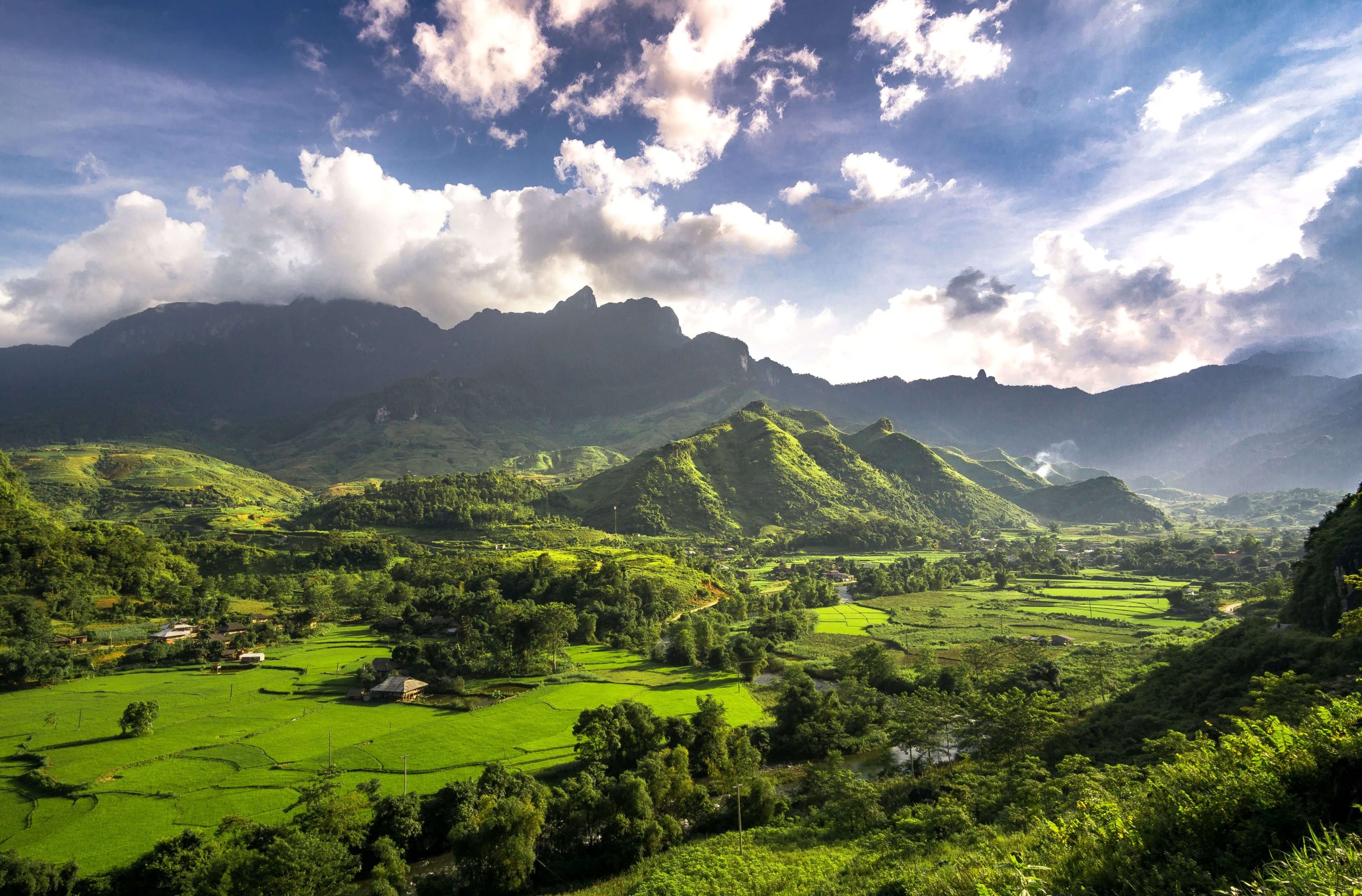
This is the promise of Vietnam without crowds. It is not a trick or a matter of visiting less-known places; it is an entirely different way of traveling. It is an invitation to change the mentality of modern mass tourism for the slow, grounding and deeply rewarding rhythm of slow travel.
When you take away the tourist structures built for consumption Vietnam reveals its self: a land of great geographic variety ancient indigenous heritage and amazing natural beauty that remains mostly untouched for those willing to look past the worn-out maps. This complete guide is designed to teach you how to uncover the layers navigate the country with purpose and create a journey through Vietnam without crowds that you will never forget.
Section 1: The Philosophy of Slow Travel – Redefining the Journey
1. Moving from Consumption to Connection
Travel has become more like a passive consumer activity. Travelers often treat countries like theme parks rushing to check off famous landmarks taking required selfies at crowded photo spots and moving on to the next destination before the dust has even settled. In a country as rich and varied as Vietnam this rushed approach acts as a barrier. When you move quickly you only experience the commercial layer—the tourist traps inflated prices and fake cultural performances made for outsiders.
Slow travel breaks this cycle. It says the value of a journey is not measured by how provinces you visit or how many landmarks you photograph. It is measured by the depth of the environmental connections made along the way. To experience Vietnam without crowds requires a mindset of patience, openness and respect. It means understanding that the meaningful travel moments rarely happen at the most famous tourist sites; they happen in the unexpected pauses—the roadside tea stall shared with a local farmer, the sudden detour down a dirt lane lined with blooming wildflowers or the unplanned afternoon spent learning traditional basket-weaving from a village elder.
Why Mass Tourism Misses the True Vietnam
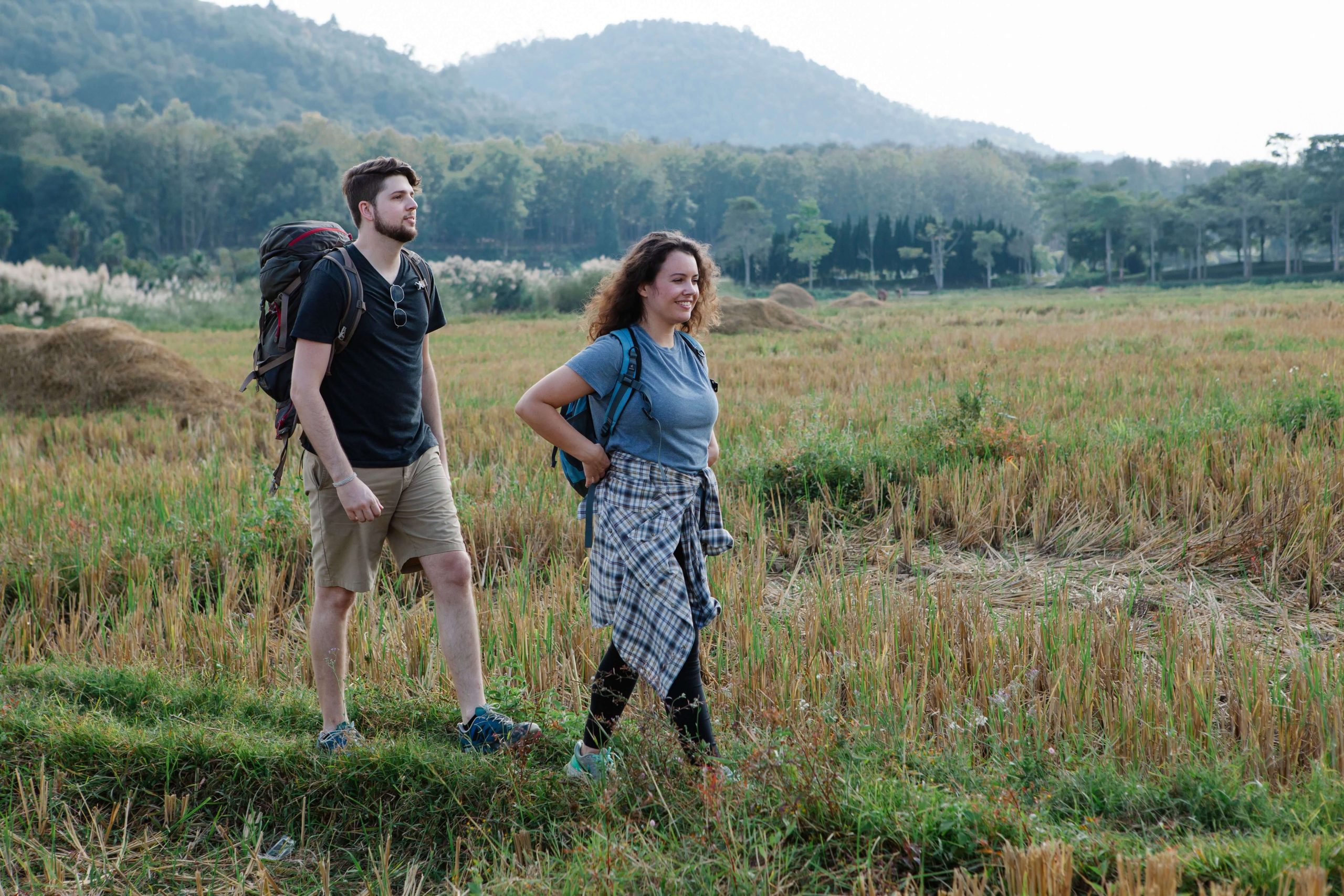
Mass tourism works on standardization and big numbers. It depends on hotels, large air-conditioned tour buses and predictable itineraries that move thousands of people into the places at the same times. As a result places like the center of Ha Long Bay or central Sapa town have been affected by many visitors, environmental stress and the gradual loss of real local culture turned into commercial spectacles.
When you go outside this system you find another way. By choosing your travel methods you help protect fragile rural areas and get access to real cultural expressions. Slow travel makes sure that your presence as a foreigner leaves a footprint that helps keep traditions alive rather than turning them into commercial products while actively pursuing Vietnam without crowds.
Section 2: Mapping the Solitude – Where to Find Vietnam Without Crowds
Avoiding the crowds needs an understanding of geography and small weather areas. While big cities struggle with many visitors large parts of Vietnam remain quiet, beautiful and mostly untouched. Here is how to plan your trip to find peace.
1. Northern Highlands: Beyond Sapa and Ha Long Bay
The usual picture of Vietnam includes the rice terraces of Sapa and the famous karst pillars of Ha Long Bay.. Real quiet places are beyond these well-known areas, offering true Vietnam without crowds.
Cao Bang and Ban Gioc Frontier: While the big Ban Gioc Waterfall on the border draws day-trippers, the whole province of Cao Bang is an area of rugged limestone peaks, underground rivers and remote ethnic settlements. Exploring areas like Pac Bo—where the rivers run green—gives a masterclass in quiet northern beauty.
- Bac Ha Plateaus: of staying in the center of Sapa go northwest to Y Ty. Located high in the misty mountains of Lao Cai province Y Ty is known for its mushroom houses” built by the Ha Nhi people. Here you can watch the clouds at sunrise without sharing the ridge with a tour group.
Ba Be Lake: Looked after by the Tay people Ba Be is Vietnam’s mountain lake. Surrounded by limestone jungles and waterfalls it offers peaceful boat rides on canoes where silence is only broken by the calls of forest birds.
2. Central Vietnam: Subterranean Realms and Forgotten Shores
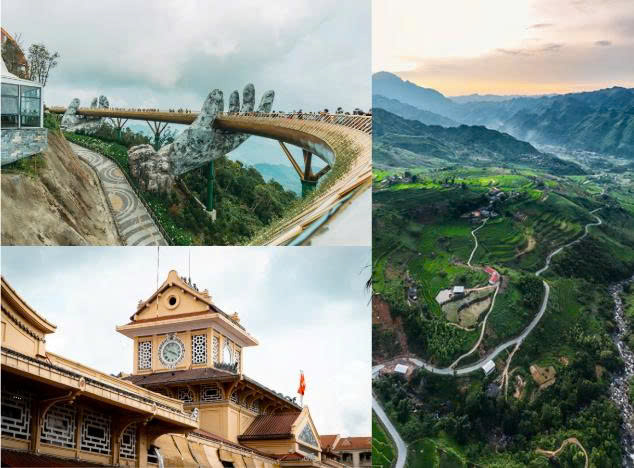
Central Vietnam is well known for the lantern-lit streets of Hoi An and the imperial tombs of Hue.. Nearby are wild areas and quiet shores perfect for experiencing Vietnam without crowds.
The Wilds of Phong Nha-Kẻ Bàng: While many tourists briefly visit Paradise Cave or Phong Nha Cave on day trips the deeper parts of the park have some of the most pristine cave systems in the world. Trekking into the jungle with guides shows underground worlds where total darkness and silence rule.
3. Southern Vietnam: Waterways Beyond the Tourist Routes
In the south the big pulse of Ho Chi Minh City gives way to the life-giving veins of the Mekong Delta and untouched southern island places.
Remote Canals of Tra Vinh. Ben Tre: Skip the commercialized floating markets of Cai Rang or Cai Be where tourist boats are more than ones. Instead explore the palm-lined back canals of Tra Vinh or quiet parts of the Mekong where brick-making kilns, coconut candy businesses and Khmer temples mark a way of life.
Con Dao Archipelago: Off the coast Con Dao offers protected marine parks, places where sea turtles nest and historical sites wrapped in deep calm. With strict environmental rules limiting growth Con Dao remains one of Southeast Asia’s most clean island escapes.
Section 3: The Blueprint of Slow Travel – Practical Strategies for a Journey
To have a trip through Vietnam without crowds you must know several practical strategies about time, transport, places to stay and interactions with people.
1. Mastering Time and Seasonal Choices
The way to avoid crowds in Vietnam is to use the calendar. Mass tourism follows schedules: summer months (July-August) the Christmas/New Year period and Vietnamese holidays—most notably Tet (Lunar New Year) and Reunification Day (April 30 – May 1).
Shoulder Season Knowledge: Travel during shoulder months (like March to May for spring flowers and clear skies in the center or September to November for rice harvests in the mountains). During these times the weather is often good and tourist numbers drop by up to seventy percent.
Late Exploration: In popular areas crowds follow a strict schedule usually starting around 9:00 AM and leaving by 4:00 PM. By getting up before the sun you can have temples, mountain paths and rural markets to yourself before tour buses arrive.
2. Using Human-Powered and Low-impact Transport
Large tour buses set the routes. Bring big groups. To travel Vietnam without crowds your transport method needs to change.
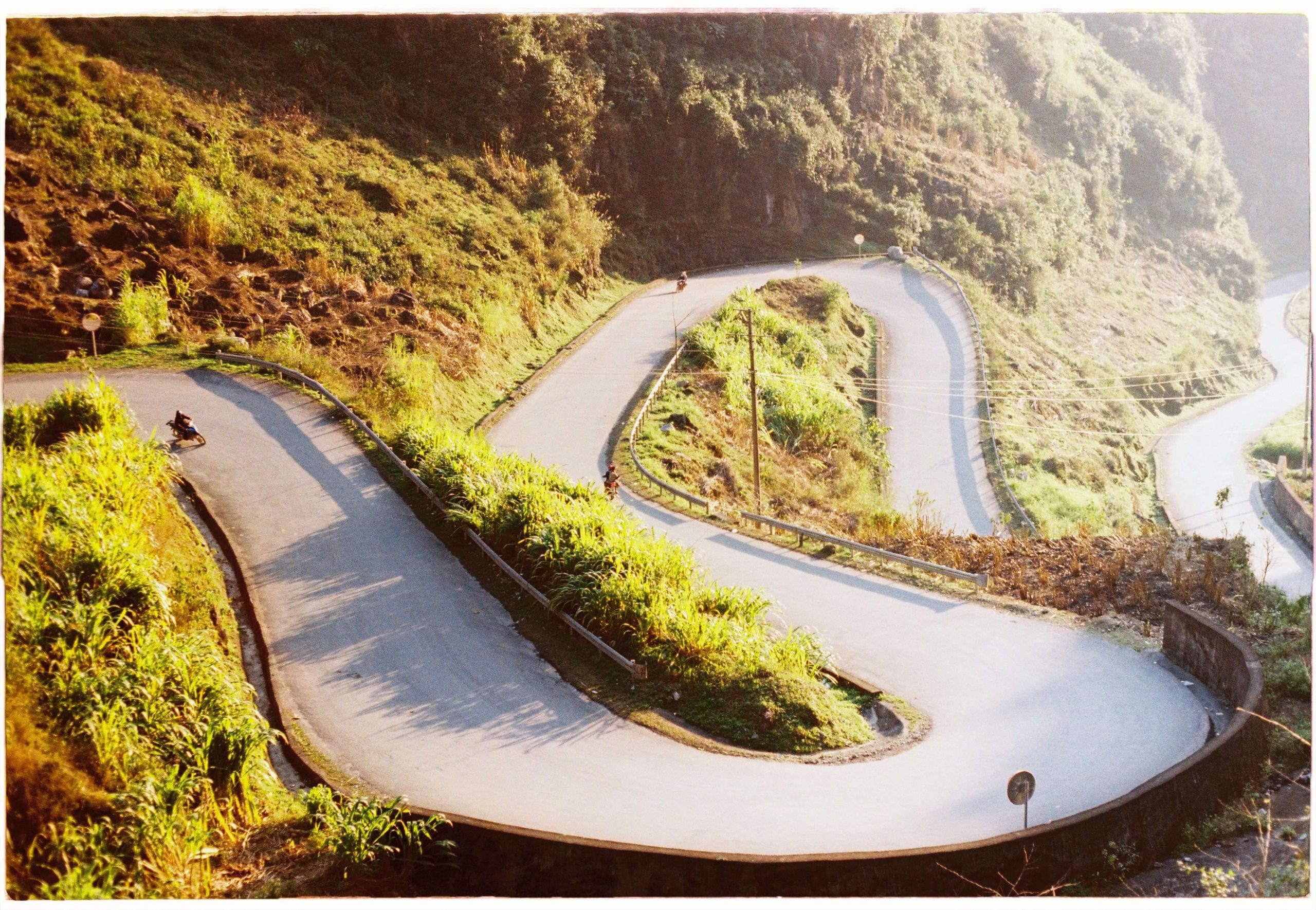
Two-Wheeled Freedom: Whether riding as a passenger on a trusted guide’s motorcycle through mountain roads or renting a semi-automatic bike for quiet country paths motorcycling opens up roads that four-wheeled vehicles can’t reach.
Foot and Paddle Movement: Focus on human-powered travel. Trekking through forest paths or paddling a wooden sampan through narrow rivers lets you go places where vehicles can’t ensuring full immersion in nature.
3. Staying Nearby: Homestays and Local Lodges
Choose community-based homestays run by families instead of international hotel chains or big commercial beach resorts.
Staying in stilt houses or earthen homes not keeps your travel money in the hands of local people but also puts you right in the middle of village life.
Evenings spent near an open wood fire sharing home-cooked meals offer insights that no luxury hotel staff can ever provide.
Section 4: Responsible Exploration – Protecting the Quiet Places
When people find a place that has not been discovered yet a dangerous pattern usually starts: more people come buildings get built quickly. The calm that first attracted them gets ruined. Exploring Vietnam without croweds comes with a duty to make sure your visit helps protect these special places instead of harming them.
1. Lessening Environmental Harm
Remote areas like the mountain ecosystems in Y Ty or the delicate coral reefs, in Con Dao are very easy to damage.
Always follow the Leave No Trace rules. Take all your plastic and waste with you when you leave.
Support companies that care about the environment by choosing those that keep groups small use fuel wisely and treat wildlife with respect without disturbing them.
When you visit villages where ethnic minority groups live (such as the Tay, Hmong, Dao or Lo Lo) remember that you are a guest in someones home not a thing on display.
Always ask before taking pictures of people older people and children.
Buy handmade items from local makers instead of fake souvenirs that are mass-produced and imported.
Section 5: Planning Your Slow Travel Journey
To help you see what a real quiet trip looks like here is a plan for a 14-day slow travel trip that focuses on hidden parts of Northern and Central Vietnam.
1. Sample 14-Day Slow Travel Plan
Days 1–3: Arriving in Hanoi and Settling In Slowly
Focus: Avoid the shopping streets. Spend time exploring streets, gardens and areas where traditional crafts are made with the help of a local guide.
Days 4–7: The Hidden Limestone Valleys of Cao Bang and Pac Bo
Focus: Go past the tourist spots. Explore river valleys, old grottos and deep villages near the border to truly appreciate Vietnam without crowds. Stay in homes built on stilts.
Days 8–10: The Quiet Roads of Ha Giang
Focus: Drive through mountain roads that’re not usually part of the tourist route stopping at markets where local people meet.
Days 11–14: Hidden Underground and Coastal Areas in Central Vietnam (Phong Nha and Quiet Lagoons)
Focus: Go into caves that have not been touched then relax at lagoons from crowded beaches.
2. The Value of Quiet
Traveling through Vietnam without crowds is really about changing the way you see things. It means giving up the need to see everything check off everything and take every required photo. In return it gives something important: the chance to be truly present.
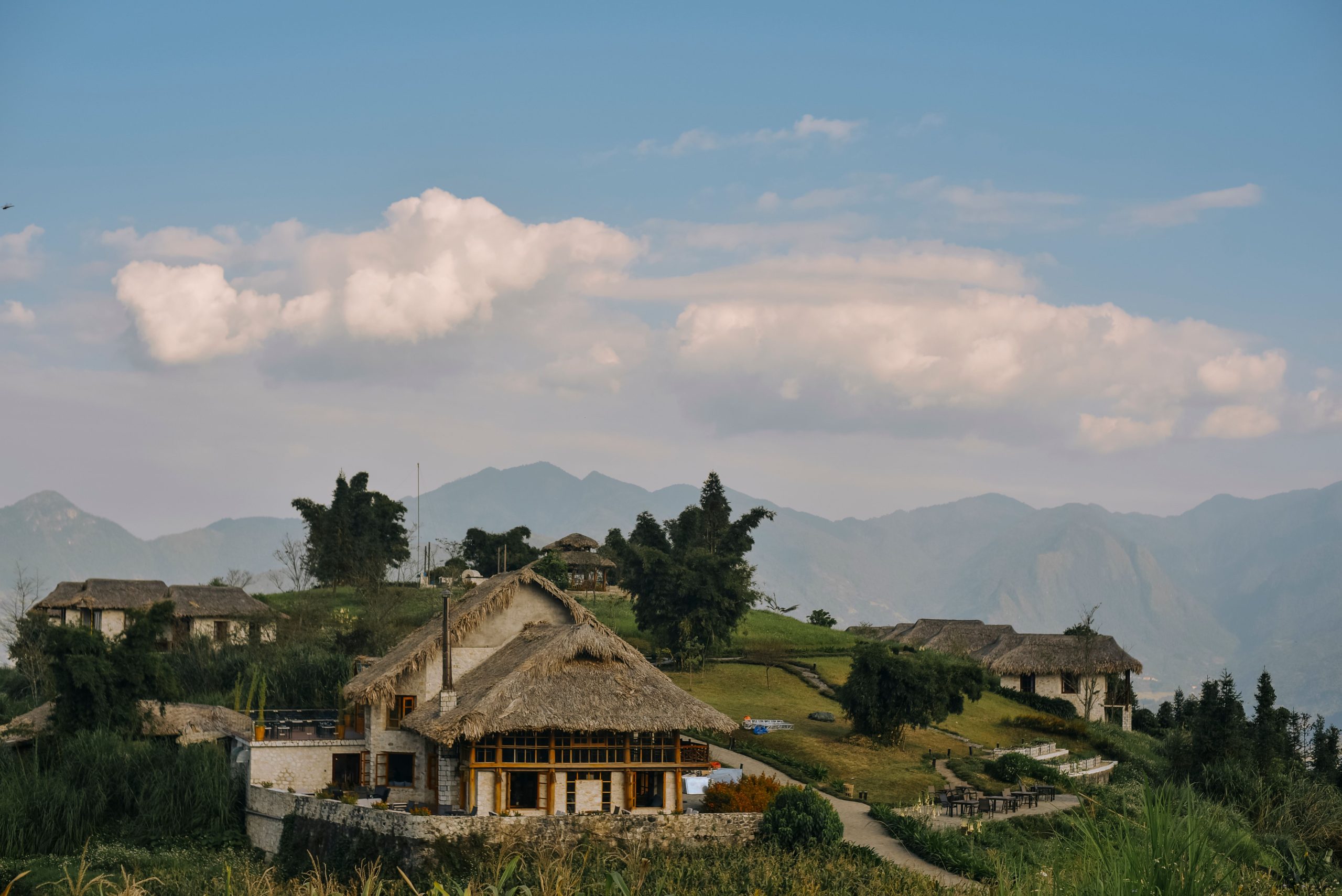
When you go slower choose paths. Go beyond the usual places Vietnam becomes more than just a place on a map. It becomes a living place, with misty hills, warm fires, quiet water and real people connections that stay with you long after you leave. Walk away from the paths enjoy the quiet and let Vietnam without crowds show you its lasting beauty.
Ready to find the side of Vietnam? [Contact Less touristy Vietnam today and start planning!]