Alternative Destinations in Vietnam: Breaking Free from the Tourist Script
For years tourism across Southeast Asia has followed a predictable worn path. Millions of travelers arrive in Hanoi walk the streets of the Old Quarter board large cruise boats in Ha Long Bay take a sleeping bus to lantern‑lit streets in Hoi An and finish their trip amid the modern towers of Ho Chi Minh City. These popular places have history, beautiful buildings and strong culture but they only show the outer layer of a very diverse country.
While these famous hubs have history and charm they are only the outer skin of Vietnam, a country full of hidden wonders. When you look for alternative destinations in vietnam, you open the door to genuine local experiences away from crowded commercial spots.
When travel becomes a product—packed, sold and copied by big tour companies—real excitement is often lost. The idea of discovery is replaced by comfort, routine and safety.
Large tour buses stand at every viewpoint loud‑speaking guides move many visitors through limited spots and local people are often turned into simple backdrops for photos.
For the traveler who wants depth instead of quick sights this cookie‑cutter method creates a strong desire for real authentic travel.
At Less Touristy Tour Vietnam we create custom trips that take you beyond the normal tourist maps. This guide shows ten alternative destinations in vietnam and explains a new idea of slow careful exploration made only for the brave traveler.
Section 1: Decoding the Concept of True Isolation in Modern Southeast Asia
In our connected world where almost every place on the map has been photographed, tagged, reviewed and sorted by algorithms true isolation feels like a rare treasure.. Vietnam hides many big geographical puzzles—tall limestone towers, thick jungles, complex river deltas and far islands that keep the rush of mass tourism at bay.
Redefining Worth in Travel
When we talk about ways of travel we mean a big change in how explorers judge a journey. Old tourism says a trip is good if it has well‑known monuments crowded with selfie sticks and gift shops. The brave traveler says a trip is good if it has moments of connection keeps fragile nature safe and feels deep emotions.
When you go to alternative destinations in vietnam you give up fast Wi‑Fi for the quiet rush of hidden waterfalls swap sterile concrete mega‑hotels for warm family‑run wooden homes on stilts and stop strict schedules for travel that moves naturally with the weather and local life.
The Ecological and Cultural Imperative
Choosing places that few people visit is not about avoiding crowds; it is an act of protecting nature and respecting culture.
Mass tourism puts pressure on fragile places creates plastic trash wears down paths and uses up local water.
By walking to spots in Vietnam you help spread money to remote ethnic communities that rarely get money from city tourism and you support keeping old arts, farming ways and clean wilderness safe.
Section 2: 10 Alternative Destinations in Vietnam to Escape the Bus Tours
1. The Outer Frontiers of Ha Giang: Beyond the Classic Loop
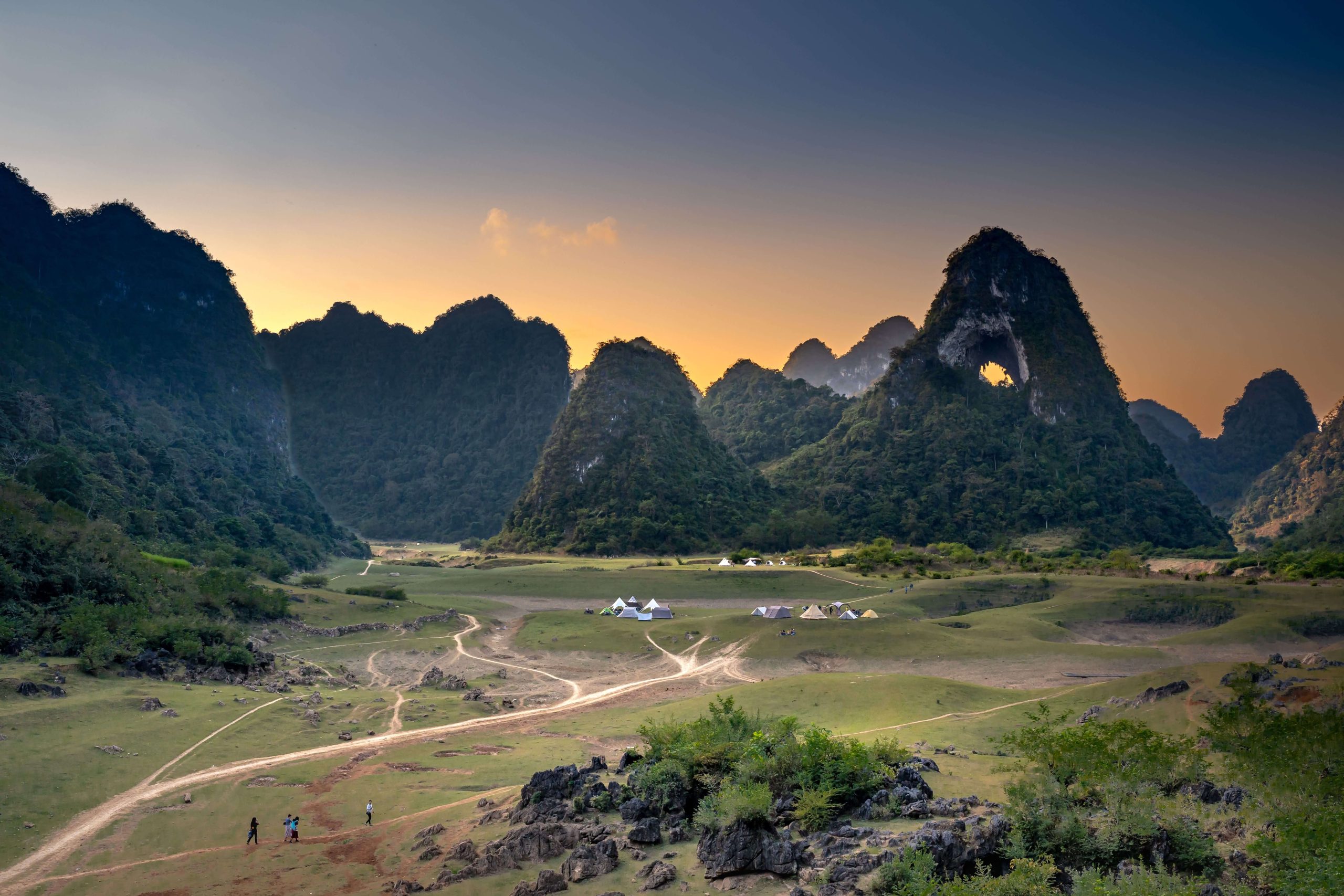
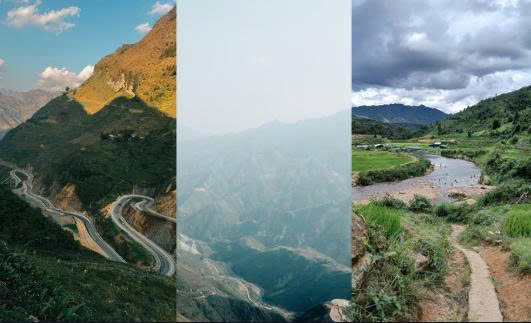
While the popular Ha Giang Loop has become very popular with motorcyclists, the real wild magic and deep quiet exist beyond the busy roads, hidden inside the rough edges near Bao Lac, Meo Vac and the tall mountain walls that touch China.
The Geographical Appeal: This far area has limestone peaks, deep river canyons and high mountain passes that make it one of the most dramatic scenes in Southeast Asia.
The Unexplored Paradigm: Indigenous ethnic groups, such as the Lo Lo, Nung and Flower H’Mong still practice farming, old methods and make textiles that have stayed the same for centuries.
The Brave Traveler Experience: Walk along roads with skilled local guides who know the mountain weather changes. Discovering these alternative destinations in vietnam lets you stand on ridges where clouds touch your feet and visit weekly highland markets.
2. Bac Son Valley: Emerald Stilt Villages and Karst Basins
Far away, in Lang Son province a few hours northeast of Hanoi lies the amazing Bac Son Valley—a circular basin surrounded by huge limestone walls.
The Geographical Appeal: The valley floor of Bac Son stretches as a connected mosaic of bright green rice paddies, fed by gentle winding rivers. Bac Son becomes one of the country’s eye‑catching farming scenes.
The Unexplored Paradigm: In contrast to commercial valleys up north Bac Son stays fully rural, calm and has no large tourist buildings. Travelers may see farm life in Bac Son.
The Brave Traveler Experience: Hike to Na Lay Peak before sunrise to see the golden light cut through the mist that covers Bac Son. Rent a bicycle. Ride along quiet dirt paths that wind past rice paddies. Share home‑cooked food with Tay families and feel the deep calm of rural Bac Son.
3. Pu Luong Nature Reserve: Terraces, Waterwheels and Quiet Valleys
Mai Chau basin nearby has seen resort building but the deeper parts of Pu Luong Nature Reserve stay clean, wild and give a strong reward to thoughtful trekkers.
The Geographical Appeal: Pu Luong stretches over limestone peaks and deep jungle valleys. Rice terraces rise in levels and huge bamboo waterwheels move river water showing old mechanical skill.
The Unexplored Paradigm: Pu Luong Nature Reserve follows a community‑based tourism plan. Every homestay helps Thai and Muong families directly. No big hotel chain visits Pu Luong.
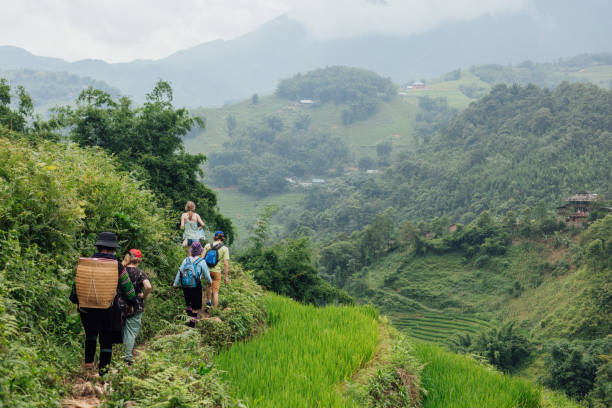
The Brave Traveler Experience: Go on several‑day jungle walks that link valley villages unreachable by car or bus. Choosing alternative destinations in vietnam like Pu Luong brings you closer to pure nature and community-based tourism.
4. Ta Xua Ridge: The Dinosaur Spine and Endless Cloud Seas
High in Son La province Ta Xua Ridge stands as a mountain range. It shows a stone formation called ‘Song Lung Dinosaur’ or the Dinosaur Spine.
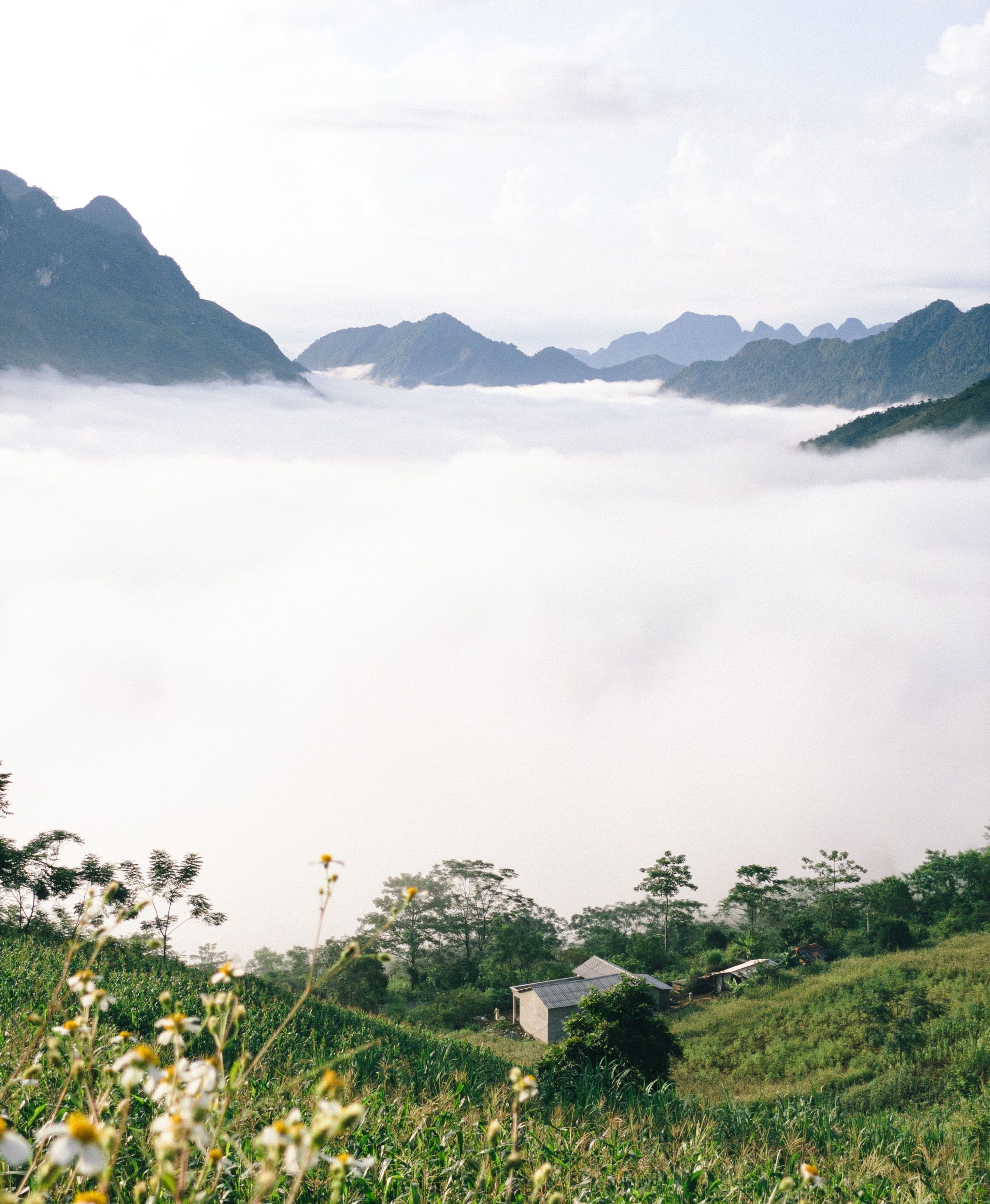
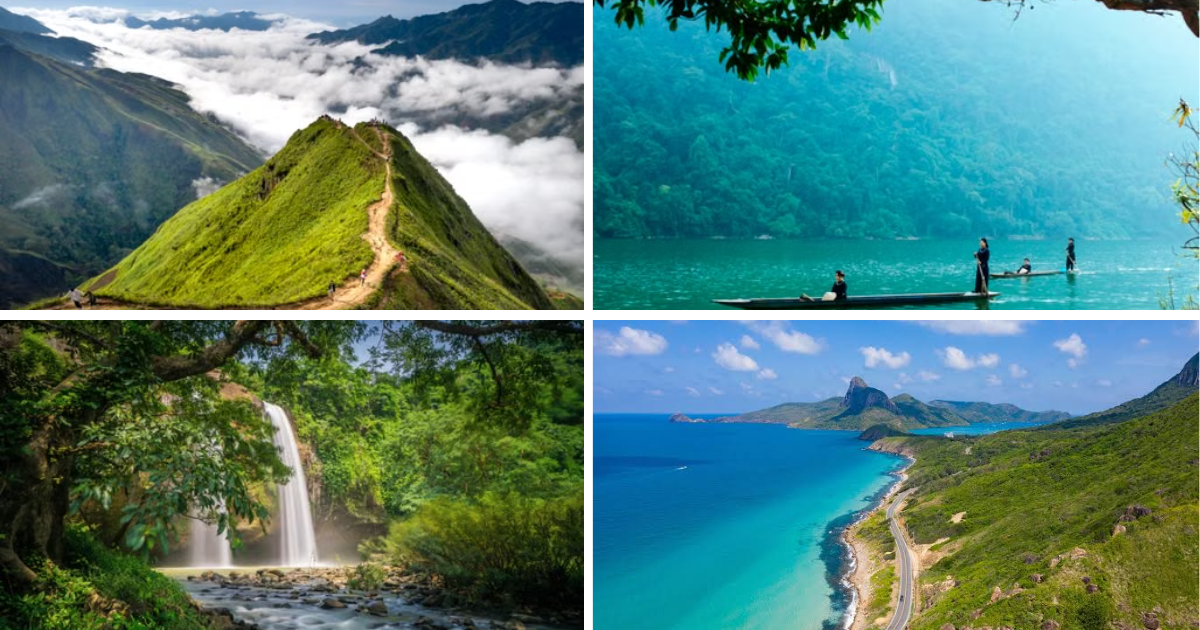
The Geographical Appeal: Ta Xua is a ridge with sharp drops into green valleys on each side. It often rises above a moving sea of thick white clouds.
The Unexplored Paradigm: Most mass tour groups skip Ta Xua. Instead local photographers, mountaineers and brave explorers visit Ta Xua for alpine beauty.
The Brave Traveler Experience: Test balance and courage on the narrow ridge trail when clouds invert. Sleep under mountain skies watch golden sunrise break through swirling fog and feel the pure joy of high‑altitude wildness.
5. Ba Be’s Hidden Waterfalls and Karst Tributaries
Ba Be Lake is famous as a mountain lake but the rivers, hidden waterfalls and tiny minority hamlets deep inside the park give strong privacy and untouched wildness.
The Geographical Appeal: limestone cliffs, underground rivers that feed the lake hidden waterfalls like Dau Dang and thick untouched limestone forests.
The Unexplored Paradigm: Going past boat tour paths into upper valleys shows remote Tay and Dao farms that live in full harmony with the forest around them.
The Brave Traveler Experience: Paddle dugout canoes through tight winding river paths walk dense jungle trails to find hidden pools and spend warm evenings sharing rice wine and stories with village elders.
6. Bac Kan’s Ba Be Buffer Zone Highlands
Beyond Ba Be Lake’s shore remote highland farms sit on limestone ridges of Pac Ngoi and Nam Dai buffer zones.
The Geographical Appeal: Rough limestone karsts covered by broadleaf forests terraces carved into steep slopes and hidden caves ready to be walked into.
The Unexplored Paradigm: These highland villages do not depend on tourism. They use farm‑forest skills and make sustainable handicrafts.
The Brave Traveler Experience: Join homestay exchanges learn indigo dyeing from local artisans and hike remote valleys that bloom with wild orchids.
7. Con Dao National Park’s Isolated Outer Islets
Mainland beach resorts in provinces are busy with many tourists but the far outer islets of Con Dao stay clean and wild.
The Geographical Appeal: turquoise waters, healthy coral reefs, rough coastal trails and hidden sandy beaches where endangered turtles nest safely.
The Unexplored Paradigm: Strong park rules keep these islets free from big resort building. The park values nature more, than business growth.
The Brave Traveler Experience invites you to snorkel through coral gardens alongside marine biologists hike through coastal primary forests to hidden coves and take part in nighttime sea‑turtle conservation monitoring programs.
Section 3: Crafting an Expedition to Alternative Destinations
When you explore alternative destinations in Vietnam you must adopt responsible travel habits. This ensures that these pristine sanctuaries stay unblemished for generations.
Practice Strict Leave No Trace Protocols. Carry out all waste respect local flora and fauna and minimize your carbon footprint by using fuel‑efficient transport, electric carts or human‑powered trekking and cycling across fragile terrain.
Empower Local Indigenous Economies. Prioritize community‑run homestays, family‑owned eateries and independent local guides over corporate chains. Financial contributions empower local indigenous economies to fund education healthcare and cultural preservation projects.
Respect Cultural Autonomy and Dignity. Always request permission before photographing local residents, especially village elders and children. Purchase handicrafts directly from local makers rather than mass‑produced imported souvenirs. Approach every exchange with humility and profound respect.
Section 4: Seasonal Dynamics: Timing Your Expedition to Destinations
Understanding Vietnam’s complex regional climate variations is vital when you plan a successful expedition into remote alternative destinations in vietnam to ensure ideal weather conditions.
Spring (February to April) is the season for exploring northern highland frontiers. Mountain slopes burst into pink and white blossom colors—plum, peach and pear—accompanied by cool refreshing temperatures though morning mists can be thick.
Summer (May to August) is the window to witness cascading rice terraces fill with water and turn lush emerald green. It is also the time to explore coastal marine sanctuaries though mountain regions may experience sudden tropical downpours.
Autumn (September to November) is widely recognized as the season for trekking and photography across northern loops. Rice fields transform into golden‑yellow hues just before harvest. Skies remain crystal clear. Temperatures are crisp.
Winter (December to January) is characterized by biting cold across plateaus such as Ha Giang and Y Ty, where temperatures occasionally approach freezing. This season delivers cloud inversions, dramatic mountain vistas and cozy evenings gathered around warm hearth fires in stilted wooden homes.
By aligning your travel calendar, with these rhythms you ensure that every alternative destination reveals its absolute peak beauty and atmospheric depth.
Take the road less travelled. Slow down your pace. Let the wilderness and ancient cultures reveal their best‑kept secrets to you.
Do you want to experience the side of Vietnam that mass tourism misses?Contact Less touristy Vietnam today. Begin planning your custom expedition to discover alternative destinations in Vietnam!