

Vietnam Travel Guide 2026: Everything You Need to Know Before Your Trip
Introduction: Why Visit Vietnam in 2026?
Vietnam has become one of Southeast Asia’s most fascinating destinations for international travelers.
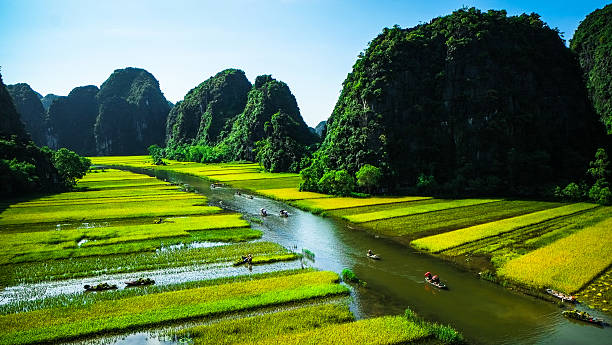
From the historic streets of Hanoi and the limestone landscapes of Ninh Binh to the ancient town of Hoi An, the imperial heritage of Hue, the beaches of Central Vietnam and the vibrant energy of Ho Chi Minh City, Vietnam offers an extraordinary variety of travel experiences within one country.
What makes Vietnam particularly attractive is the combination of natural beauty, rich culture, exceptional food, affordable travel options and genuine local experiences.
For travelers planning a trip in 2026, Vietnam also offers increasingly convenient international access, a broad range of accommodation and transportation options, and visa policies designed to make visiting easier for travelers from many countries. The official Vietnam Tourism website currently states that 90-day e-visas are available to all nationalities, while unilateral visa-free entry for up to 45 days applies to citizens of 24 countries under the applicable conditions. Travelers should always verify the latest requirements before departure.
This Vietnam Travel Guide 2026 covers everything you need to know before your trip — from when to visit and where to go to transportation, food, accommodation, costs, safety and how to experience Vietnam beyond the usual tourist trail.
1. Where Is Vietnam?

Vietnam is located in Southeast Asia, along the eastern edge of the Indochinese Peninsula.
The country shares borders with:
- China to the north
- Laos to the west
- Cambodia to the southwest
To the east and south, Vietnam has a long coastline overlooking the South China Sea.
Vietnam stretches for more than 1,600 kilometers from north to south, which explains why the country’s geography and climate vary significantly between regions.
For travelers, Vietnam is generally divided into three major regions:
Northern Vietnam
Home to:
- Hanoi
- Ninh Binh
- Ha Long Bay
- Sapa
- Ha Giang
- Cao Bang
The north is particularly famous for mountains, rice terraces, limestone landscapes, cultural heritage and traditional villages.
Central Vietnam
Home to:
- Hue
- Da Nang
- Hoi An
- Phong Nha
- Quy Nhon
- Phu Yen
Central Vietnam combines beaches, historical sites, ancient towns, caves and some of the country’s most distinctive regional cuisine.
Southern Vietnam
Home to:
- Ho Chi Minh City
- Mekong Delta
- Con Dao
- Phu Quoc
The south offers a combination of modern urban life, tropical islands, river landscapes and a more relaxed atmosphere.
The official Vietnam Tourism website also organizes the country around these three broad regions, making them a useful starting point when planning your itinerary.
2. Why Is Vietnam Worth Visiting?

Vietnam offers an unusually broad range of experiences.
You can spend the morning exploring an ancient temple, have lunch at a local street-food restaurant, cycle through rice fields in the afternoon and enjoy Vietnamese coffee at sunset.
Here are some of the biggest reasons to visit.
Incredible Landscapes
Vietnam is home to:
- Limestone mountains
- Rice terraces
- Tropical forests
- Beaches
- Islands
- Caves
- Rivers
- Waterfalls
- National parks
Rich History and Culture
Vietnam has thousands of years of history, with influences from indigenous traditions, Chinese civilization, Southeast Asian cultures, French colonialism and modern history.
World-Famous Cuisine
Vietnamese food is one of the country’s biggest attractions.
Popular dishes include:
- Pho
- Banh Mi
- Bun Cha
- Bun Bo Hue
- Cao Lau
- Banh Xeo
- Com Tam
- Vietnamese coffee
Affordable Travel
Vietnam offers accommodation, food and transportation across a wide range of price levels.
You can travel on a backpacker’s budget or build a luxury itinerary with private transfers, boutique hotels and high-end resorts.
Authentic Local Experiences
Beyond the major attractions, Vietnam is particularly rewarding for travelers who want to experience local life.
This might mean:
- Visiting a village market
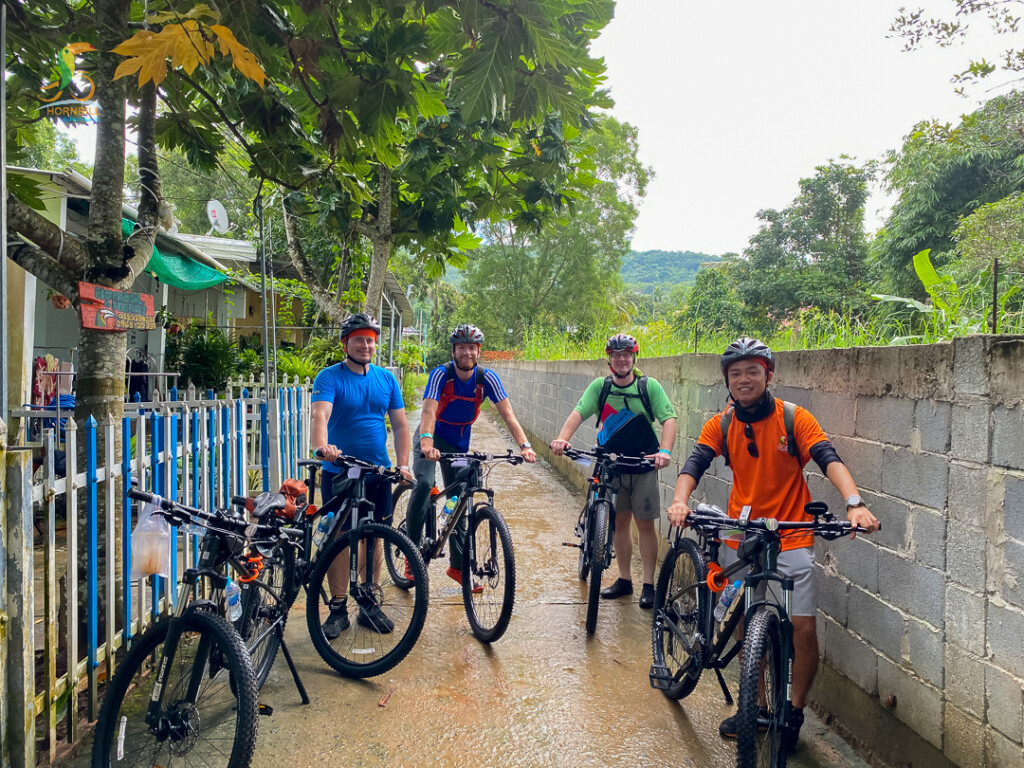
- Cycling through the countryside
- Taking a cooking class
- Learning how Vietnamese coffee is made
- Staying with a local family
- Visiting a craft village
- Exploring a less-visited coastal town
3. Do You Need a Visa to Visit Vietnam in 2026?
Visa requirements are one of the most important things to check before booking your trip.
Vietnam’s current visa policies include visa exemptions for eligible citizens of certain countries and an e-visa system that the official tourism authority states is available to all nationalities, with e-visas valid for up to 90 days under the applicable rules. The official tourism site also states that unilateral visa-free access of up to 45 days applies to citizens of 24 countries.
However, immigration requirements can change.
Before traveling, check:
- Your passport validity
- Whether your nationality qualifies for visa exemption
- Whether you need an e-visa
- Permitted length of stay
- Number of entries
- Approved entry and exit points
- Whether your visa information exactly matches your passport
Important Tip
Do not rely on an old blog post or social media comment for visa information.
Always check the latest information from official Vietnamese immigration or tourism authorities before your departure.
4. When Is the Best Time to Visit Vietnam?
Vietnam does not have one single “best month” for the entire country.
Because the country is geographically long, Northern, Central and Southern Vietnam experience different weather patterns.
According to Vietnam Tourism, March to May generally offers some of the best weather conditions nationwide, although there is no period when the entire country is unsuitable for travel.
Northern Vietnam
Hanoi, Ninh Binh, Ha Long Bay, Sapa and Ha Giang have more noticeable seasonal changes.
Autumn and spring can be particularly pleasant for sightseeing.
Mountain destinations can be considerably cooler than Hanoi.
Central Vietnam
Hue, Da Nang and Hoi An have different rainfall patterns from the north.
If your trip focuses heavily on beaches and outdoor activities, check the weather for the specific destination and travel dates.
Southern Vietnam
Ho Chi Minh City, the Mekong Delta and Phu Quoc have tropical conditions.
Temperatures remain relatively warm throughout the year, but rainfall can affect outdoor activities during the wet season.
The Best Strategy
Instead of asking:
“When is the best time to visit Vietnam?”
ask:
“Which part of Vietnam do I want to visit?”
Then choose your travel dates based on that region.
5. How Long Should You Spend in Vietnam?

Your ideal Vietnam itinerary depends on how much time you have.
5 Days
Focus on one region.
For example:
Hanoi – Ninh Binh – Hanoi
or:
Da Nang – Hoi An – Hue
7 Days
A one-region itinerary is still recommended.
Example:
Hanoi → Ninh Binh → Ha Long Bay → Hanoi
10 Days
You can begin combining regions.
Example:
Hanoi → Ninh Binh → Hoi An → Da Nang → Ho Chi Minh City
14 Days
Two weeks allows you to experience several highlights.
Example:
Hanoi → Ninh Binh → Ha Long Bay → Hue → Hoi An → Ho Chi Minh City → Mekong Delta
21 Days or More
This is ideal for slower travel.
You can add destinations such as:
- Ha Giang
- Cao Bang
- Phong Nha
- Quy Nhon
- Phu Yen
- Con Dao
- Mekong Delta
The official tourism authority also provides curated itineraries based on themes such as heritage, adventure, beaches and islands, showing just how diverse Vietnam can be as a destination.
6. The Best Places to Visit in Vietnam in 2026
Vietnam has too many worthwhile destinations to cover in a single trip.
Here are some of the best places to consider.
Hanoi

Vietnam’s capital is the ideal introduction to the country’s history, food and urban culture.
Don’t miss:
- Hoan Kiem Lake
- Hanoi Old Quarter
- Temple of Literature
- Traditional markets
- Street food
- Vietnamese coffee
Ninh Binh
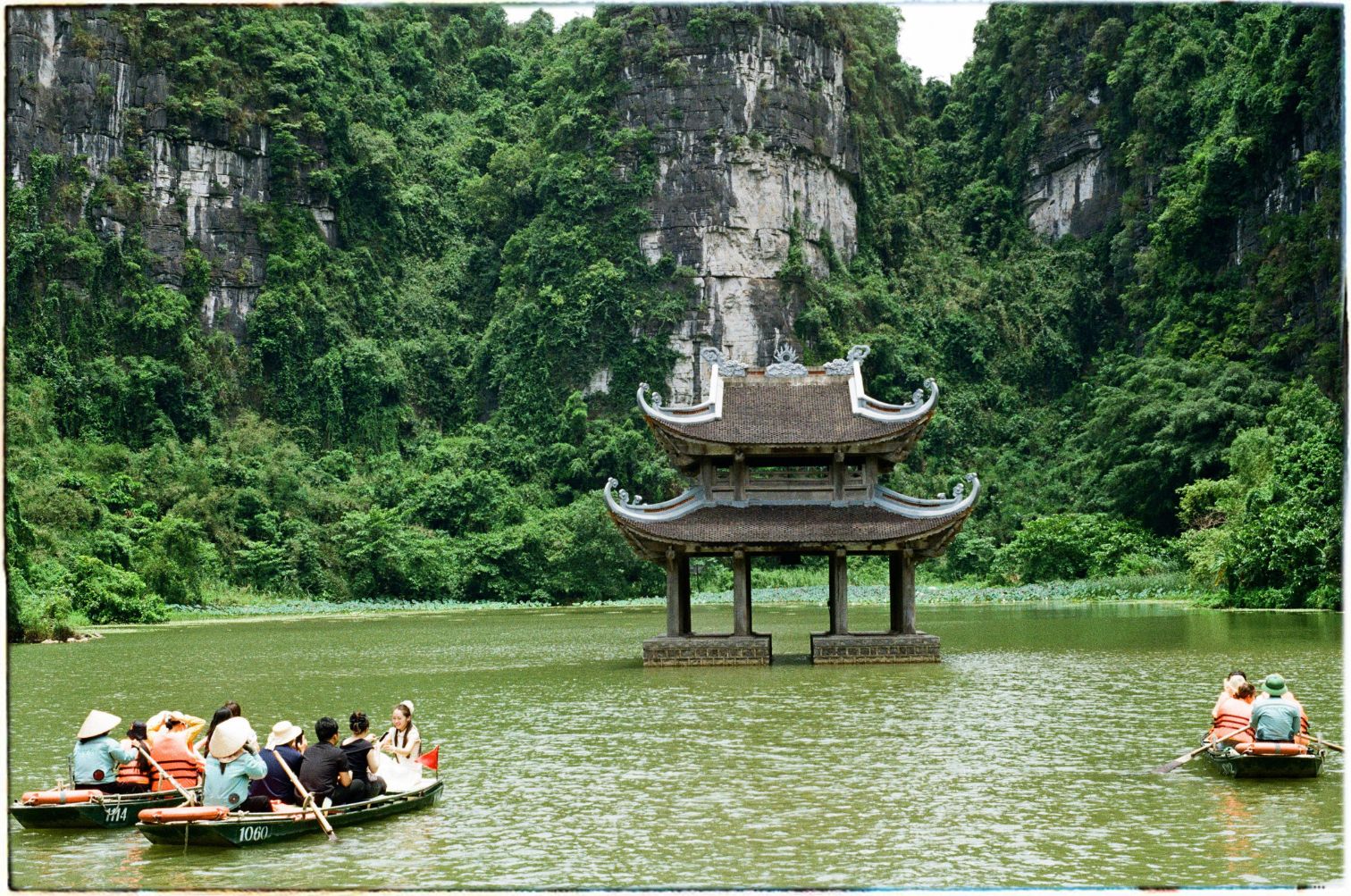
Often called one of Vietnam’s most spectacular natural destinations.
Highlights include:
- Trang An
- Tam Coc
- Hoa Lu
- Mua Cave
- Cycling through rural landscapes
Ha Long Bay
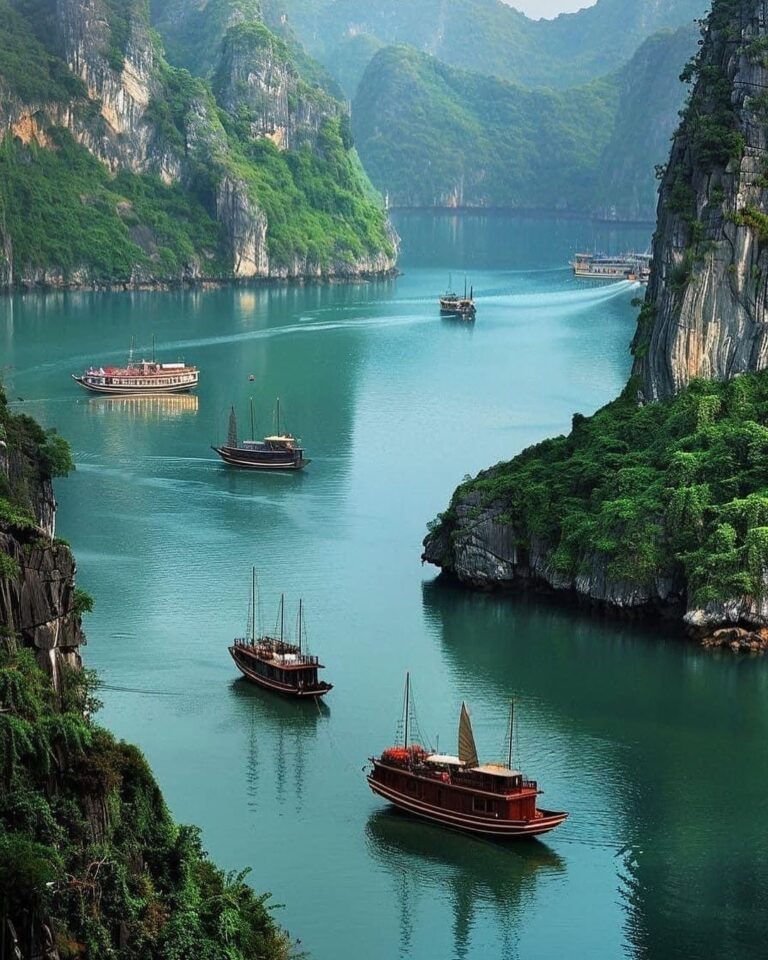
Famous for its limestone islands rising from emerald waters.
A cruise is one of the classic ways to experience the area.
Ha Giang
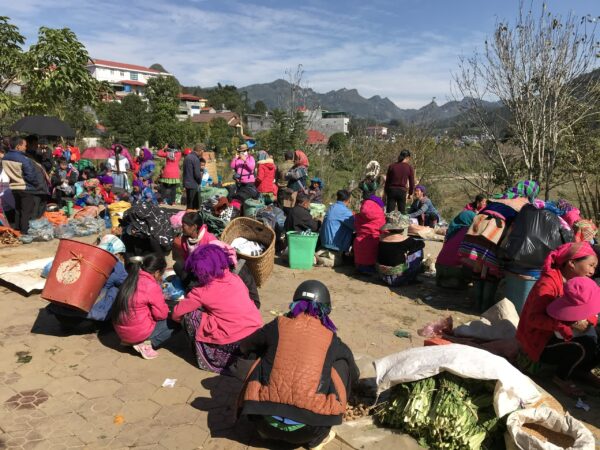
One of the best destinations for travelers looking for dramatic mountain scenery and adventure.
The Ha Giang Loop is particularly popular with independent travelers.
Hue
Vietnam’s former imperial capital is known for:
- Imperial City
- Royal tombs
- Pagodas
- Traditional cuisine
- Perfume River
Da Nang
A modern coastal city with:
- Long beaches
- Mountains
- Local food
- Convenient access to Hoi An and Hue
Hoi An

One of Vietnam’s most atmospheric destinations.
The historic town is famous for:
- Ancient architecture
- Lantern-lit streets
- Tailor shops
- Local cuisine
- Cycling
- Countryside experiences
Phong Nha
A paradise for adventure travelers, with spectacular caves and karst landscapes.
Ho Chi Minh City
Vietnam’s largest metropolis offers a very different experience from Hanoi.
Expect:
- Busy streets
- Modern buildings
- Historic sites
- Markets
- Nightlife
- Coffee culture
- Excellent food
Mekong Delta
The Mekong Delta offers a glimpse into river-based life in Southern Vietnam.
For a deeper experience, stay for more than one day rather than simply joining a short excursion.
Phu Quoc
A tropical island destination known for beaches, resorts, seafood and island experiences.
7. How to Get Around Vietnam
Transportation is relatively diverse.
Domestic Flights
Flying is the fastest way to travel between distant regions.
Popular routes include:
- Hanoi – Da Nang
- Hanoi – Ho Chi Minh City
- Ho Chi Minh City – Da Nang
- Hanoi – Phu Quoc
Trains
Vietnam’s railway system is useful for travelers who prefer slower journeys.
The North–South railway connects many important destinations.
Train travel can also be part of the experience rather than simply transportation.
Buses
Sleeper buses are widely used by travelers.
They are particularly useful for shorter regional journeys.
Taxis and Ride-Hailing
Major cities have modern ride-hailing options.
These are generally convenient for travelers who do not want to negotiate fares on the street.
8. Should You Rent a Motorbike?
Motorbikes are deeply connected to everyday life in Vietnam.
For experienced riders, renting a motorbike can be an excellent way to explore destinations such as:
- Hoi An countryside
- Ninh Binh
- Ha Giang
- Phu Yen
- Quy Nhon
- Da Lat
However, foreign travelers should verify the legal requirements for driving in Vietnam and ensure that their license and insurance meet local requirements.
Safety First
Vietnamese traffic can be challenging, especially in Hanoi and Ho Chi Minh City.
If you have limited riding experience, consider using a local driver or organized motorbike tour instead.
9. Where Should You Stay in Vietnam?
Vietnam has accommodation for almost every type of traveler.
Budget
- Hostels
- Guesthouses
- Homestays
- Budget hotels
Mid-Range
- Boutique hotels
- 3-star hotels
- 4-star hotels
Luxury
- 5-star hotels
- Beach resorts
- Private villas
- Luxury cruises
Location Matters
Don’t choose accommodation based only on price.
Consider:
- Neighborhood
- Distance from attractions
- Transportation
- Reviews
- Cleanliness
- Noise
- Breakfast
- Local atmosphere
Sometimes a small boutique hotel in a great location can provide a better experience than a larger luxury property far outside the city.
10. What Should You Eat in Vietnam?
Food deserves to be part of your itinerary.
Pho
Vietnam’s most famous noodle soup.
Banh Mi
A convenient Vietnamese sandwich that is perfect for travelers.
Bun Cha
A Hanoi specialty featuring grilled pork, noodles, herbs and dipping sauce.
Bun Bo Hue
A rich and spicy noodle soup from Central Vietnam.
Cao Lau
A distinctive Hoi An specialty.
Com Tam
A popular Southern Vietnamese broken-rice dish.
Banh Xeo
A crispy savory pancake with different regional variations.
Vietnamese Coffee
Try:
- Ca Phe Sua Da
- Egg Coffee
- Coconut Coffee
- Salt Coffee
- Traditional Vietnamese drip coffee
For many international visitors, discovering Vietnamese coffee culture becomes one of the highlights of their trip.
11. How Much Does It Cost to Travel in Vietnam?
Vietnam can accommodate different travel budgets.
Your total cost depends on:
- Accommodation
- Transportation
- Food
- Activities
- Shopping
- Travel season
- Travel style
Budget Travel
Choose:
- Hostels
- Local restaurants
- Public transportation
- Buses
- Free attractions
Mid-Range Travel
Choose:
- Boutique hotels
- Domestic flights
- Comfortable restaurants
- Private transfers when useful
- Local tours
Luxury Travel
Choose:
- Five-star hotels
- Luxury resorts
- Private guides
- Private transportation
- Fine dining
- Luxury cruises
The key is to build your budget around your travel priorities rather than trying to follow one fixed daily amount.
12. Is Vietnam Safe for Foreign Travelers?
Vietnam is generally a comfortable destination for international travelers.
However, normal travel precautions still apply.
Pay attention to:
- Your passport
- Cash
- Phone
- Camera
- Bag
- Traffic
- Weather
- Water activities
- Remote areas
Be Careful Around Traffic
One of the biggest challenges for first-time visitors is crossing busy streets.
Move predictably and avoid suddenly stepping backward.
Protect Your Belongings
In crowded tourist areas, keep your phone and wallet secure.
A crossbody bag or secure backpack can be useful.
13. Internet, SIM Cards and Connectivity
Staying connected is relatively easy in Vietnam.
You can use:
- Local SIM cards
- eSIM
- International roaming
- Hotel Wi-Fi
- Café Wi-Fi
Having mobile Internet is particularly useful for:
- Navigation
- Translation
- Ride-hailing
- Hotel reservations
- Restaurant searches
- Communication
If your phone supports eSIM, setting one up before arrival can make your first few hours in Vietnam easier.
14. What Currency Is Used in Vietnam?
Vietnam uses the Vietnamese Dong (VND).
Cash remains important, especially in:
- Local markets
- Small restaurants
- Rural areas
- Small shops
- Street food stalls
Cards are widely accepted at hotels, larger restaurants and many modern businesses.
However, it is always useful to carry some cash.
Important Tip
Vietnamese banknotes have several denominations.
Take a moment to check the note before handing it over, especially when you are new to the currency.
15. Do People Speak English in Vietnam?
English is widely used in major tourist destinations, hotels, restaurants and travel businesses.
However, communication can become more difficult in rural areas.
Learning a few Vietnamese expressions can make your trip easier and more enjoyable.
Useful phrases include:
Xin chào – Hello
Cảm ơn – Thank you
Bao nhiêu tiền? – How much?
Ngon – Delicious
Không – No
Có – Yes
Giúp tôi – Help me
Even a few words can create a warmer interaction with local people.
16. Vietnamese Culture and Etiquette
Respect for local culture is an important part of responsible travel.
When visiting temples and religious sites:
- Dress appropriately
- Speak quietly
- Follow local instructions
- Ask before photographing people
- Avoid touching sacred objects
When visiting someone’s home, observe local customs.
The Golden Rule
When in doubt, observe and ask.
A respectful attitude is usually more important than knowing every cultural rule before arriving.
17. What Should You Pack for Vietnam?
Your packing list should depend on the season and destinations.
Essentials
- Passport
- Travel documents
- Comfortable shoes
- Lightweight clothing
- Rain jacket
- Sunscreen
- Insect repellent
- Personal medication
- Power bank
- Universal adapter
If Traveling in Northern Vietnam During Winter
Bring warmer layers.
If Traveling During the Hot Season
Choose breathable clothing and stay hydrated.
If Trekking
Bring:
- Proper walking shoes
- Lightweight backpack
- Water bottle
- Sun protection
- Rain protection
18. What Are the Best Things to Do in Vietnam?
Vietnam isn’t only about sightseeing.
Consider adding experiences such as:
Food Tours
Discover local dishes with someone who knows the food culture.
Cooking Classes
Learn how Vietnamese dishes are prepared.
Coffee Workshops
Discover traditional Vietnamese brewing methods and coffee culture.
Cycling
Explore villages and countryside landscapes.
Trekking
Explore the mountains of Northern Vietnam.
Boat Trips
Experience rivers, bays and waterways from a different perspective.
Craft Villages
Discover traditional ceramics, silk, woodwork and other local crafts.
Wellness Experiences
Vietnam has a growing range of wellness, spa and traditional herbal experiences.
19. Vietnam Off the Beaten Path
If you want to avoid the busiest tourist routes, consider exploring destinations beyond the classic itinerary.
Some options include:
Cao Bang
A spectacular northern province known for mountains and waterfalls.
Ha Giang
A dramatic mountain destination with unforgettable road-trip scenery.
Phu Yen
A quieter coastal destination with beautiful beaches.
Quy Nhon
A relaxed beach city with a strong local atmosphere.
Con Dao
An island destination offering beaches, nature and history.
Mekong Delta
Spend several days instead of rushing through on a day trip.
Hoang Su Phi
Known for spectacular rice terraces and mountain landscapes.
The official Vietnam Tourism website increasingly highlights destinations and experiences outside the most established tourist circuits, reflecting the growing interest in nature, wellness, adventure and sustainable travel.
20. How to Travel Vietnam More Responsibly
Responsible travel is becoming increasingly important.
When visiting Vietnam, consider:
- Supporting local businesses
- Hiring local guides
- Avoiding single-use plastic
- Respecting religious sites
- Asking before photographing people
- Avoiding activities involving animal exploitation
- Choosing community-based experiences
- Staying longer rather than rushing through destinations
Travel More Slowly
Instead of visiting eight destinations in ten days, consider visiting four destinations in the same period.
You will spend less time traveling and more time actually experiencing Vietnam.
21. The Less Touristy Way to Experience Vietnam
This is where your Vietnam journey can become truly memorable.
The most famous destinations deserve their popularity, but Vietnam has another side that is often missed.
Spend a morning drinking coffee at a neighborhood café.
Walk through a local market.
Cycle through rice fields.
Talk with a shop owner.
Try a family-run restaurant.
Stay in a small guesthouse.
Visit a traditional craft village.
Join a local cooking class.
Take a train instead of always flying.
Stay an extra night in a destination rather than moving on immediately.
These simple experiences can reveal a much deeper side of Vietnam.
Less Touristy does not mean avoiding famous places completely.
It means going beyond them.
22. Suggested Vietnam Itineraries for 2026
7-Day Vietnam Itinerary
Hanoi – Ninh Binh – Ha Long Bay
Best for first-time visitors who want culture and nature.
10-Day Vietnam Itinerary
Hanoi – Ninh Binh – Hoi An – Da Nang – Ho Chi Minh City
Best for travelers who want a taste of Northern, Central and Southern Vietnam.
14-Day Vietnam Itinerary
Hanoi – Ninh Binh – Ha Long Bay – Hue – Hoi An – Ho Chi Minh City – Mekong Delta
A balanced first-time itinerary.
21-Day Vietnam Itinerary
Add:
Ha Giang – Phong Nha – Quy Nhon or Phu Yen
This itinerary allows more time for slower travel and less touristy destinations.
23. Common Mistakes to Avoid
Trying to See the Whole Country Too Quickly
Vietnam is larger and more geographically diverse than many first-time visitors expect.
Ignoring Regional Weather
The weather in Hanoi can be completely different from Phu Quoc.
Booking Everything in Advance
Some planning is necessary, but leaving some flexibility can make an independent trip more enjoyable.
Only Visiting Tourist Attractions
Leave time for local neighborhoods and everyday experiences.
Underestimating Travel Time
A destination may look close on a map but take several hours by road.
Not Carrying Cash
Cards are convenient, but cash remains useful.
Forgetting Travel Insurance
Travel insurance can provide valuable protection against unexpected medical, transportation or trip-related problems.
24. A Complete Vietnam Travel Checklist
Before your flight, check:
Documents
☐ Passport
☐ Visa or e-visa if required
☐ Flight tickets
☐ Travel insurance
☐ Hotel reservations
Money
☐ Bank card
☐ Some Vietnamese Dong
☐ Backup payment method
Technology
☐ Smartphone
☐ eSIM/SIM
☐ Charger
☐ Power bank
☐ Navigation apps
☐ Translation app
Health & Safety
☐ Personal medication
☐ Sunscreen
☐ Insect repellent
☐ Basic first-aid supplies
Travel Planning
☐ Main itinerary
☐ Transportation information
☐ Hotel addresses
☐ Emergency contacts
☐ Weather forecast
25. Frequently Asked Questions About Traveling to Vietnam
Is Vietnam good for first-time travelers?
Yes. Vietnam offers a wide range of accommodation, transportation, food and experiences, making it suitable for many types of travelers.
How many days are enough for Vietnam?
A week is enough for one region. Two weeks allows you to combine several major destinations, while three weeks or more is ideal for slower travel.
Is Vietnam expensive?
Vietnam can be relatively affordable compared with many Western destinations, but costs vary significantly depending on accommodation, transportation and activities.
Is Vietnam safe for solo travelers?
Vietnam can be a comfortable destination for solo travelers, provided normal precautions are followed.
Can I travel around Vietnam without joining a tour?
Yes. Vietnam is suitable for independent travel, although local tours and guides can be useful for specific activities.
What is the best month to visit Vietnam?
There is no single perfect month for the entire country. March to May generally offers favorable conditions across much of Vietnam, but each region has its own weather patterns.
Should I visit Hanoi or Ho Chi Minh City?
If you prefer history, traditional culture and Northern Vietnamese cuisine, choose Hanoi.
If you prefer modern city life, nightlife and Southern Vietnamese culture, choose Ho Chi Minh City.
Ideally, visit both.
Final Thoughts: Plan Less, Experience More
Vietnam is not a destination that needs to be rushed.
Its greatest appeal is not only the famous landmarks, beaches or cities.
It is the combination of small experiences:
A bowl of pho in a busy neighborhood.
A cup of Vietnamese coffee on a tiny street.
A bicycle ride through rice fields.
A conversation with a local family.
A quiet afternoon in an old town.
A mountain road disappearing into the clouds.
A meal shared around a small table.
These are the moments that often stay with travelers long after they leave Vietnam.
For your 2026 journey, build an itinerary that gives you enough structure to travel comfortably but enough flexibility to discover something unexpected.
Visit the famous places.
But also look beyond them.
Take the quieter road.
Stay a little longer.
Talk to local people.
Try something you’ve never tried before.
That is how you discover the Vietnam beyond the guidebook — and that is the spirit of Less Touristy.