

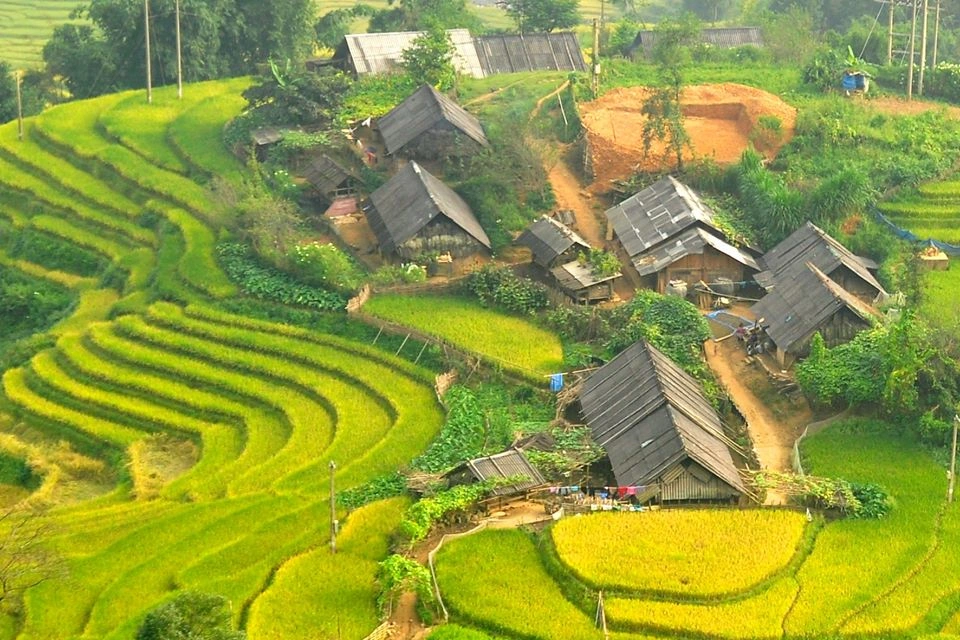
Best Time to Visit Sapa and Bac Ha: A Seasonal Travel Guide
Sapa and Bac Ha are two fascinating destinations in Northern Vietnam, known for mountain landscapes, traditional markets, rural villages, and diverse ethnic cultures. Although they are located in the same broad region, each offers a different travel experience.
Sapa attracts visitors with its dramatic valleys, trekking routes, rice terraces, and mountain scenery. Bac Ha is known for its Sunday market, highland food traditions, and vibrant local culture.
Choosing the best time to visit Sapa and Bac Ha depends on what you want to experience. Are you hoping to see green rice terraces, photograph golden fields, explore a traditional market, or enjoy comfortable weather for walking?
This guide explains the seasonal differences, what to expect throughout the year, and how to plan a trip that combines both destinations without rushing.
1. When Is the Best Time to Visit Sapa and Bac Ha?
For many travelers, September to November and March to May are useful periods to consider for a trip to Northern Vietnam. These months can offer a balance of outdoor conditions and opportunities to explore villages and mountain landscapes, although actual weather varies from year to year.
The best choice ultimately depends on your priorities.
- March to May: A good period to consider for spring scenery, village walks, and outdoor exploration.
- June to August: Often greener, with active agricultural landscapes, but rain can affect trekking and road travel.
- September to October: A popular period for travelers interested in rice terraces and seasonal mountain scenery. Harvest timing varies by location and year.
- November to February: Cooler conditions, with cold spells, fog, and occasional frost in higher areas.
Bac Ha Sunday Market is a weekly event rather than a seasonal attraction. If visiting the market is a priority, plan around its usual Sunday schedule and confirm local arrangements before traveling.
2. Visiting Sapa and Bac Ha in Spring: March to May
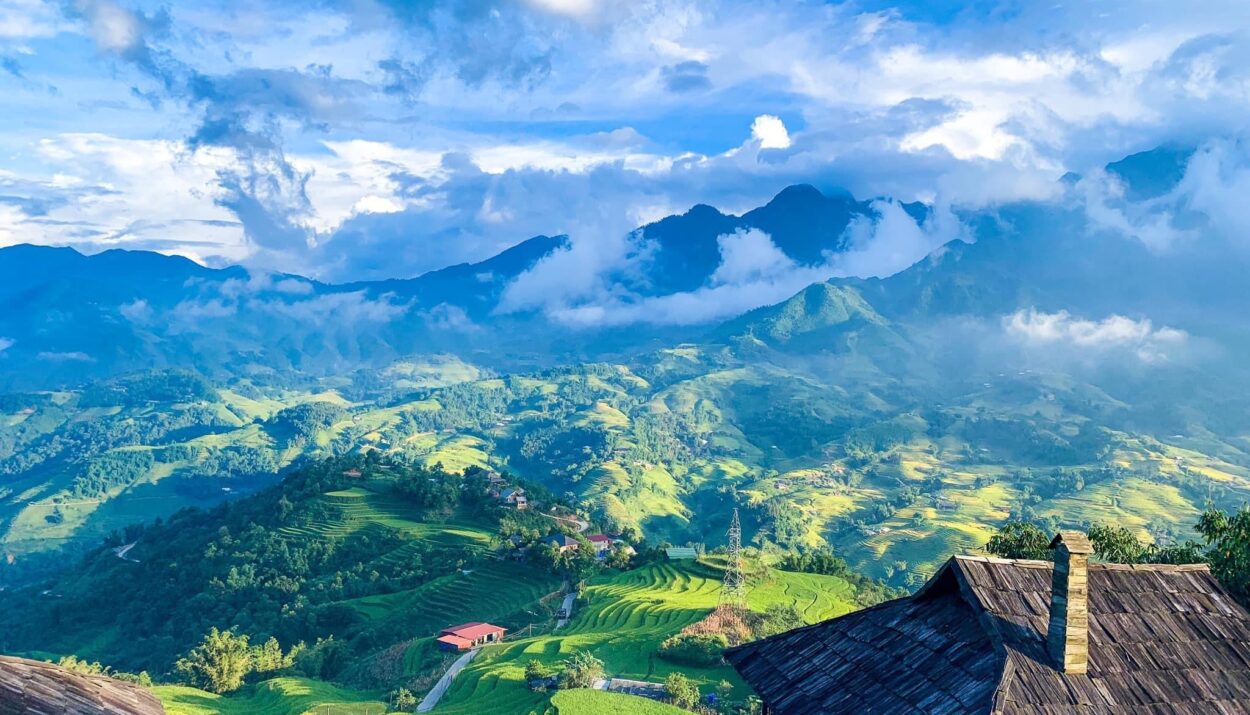
Spring is an appealing time to explore Northern Vietnam if you prefer comfortable outdoor activities and changing mountain scenery.
Temperatures can vary between daytime and nighttime, especially at higher elevations. Conditions may also differ considerably between Sapa town, surrounding valleys, and Bac Ha.
What is Sapa like in spring?
Spring brings new growth to the landscape. Depending on the location and agricultural calendar, travelers may see fields being prepared for planting, fresh vegetation, and changing views across the valleys.
This season can be suitable for walking through rural areas and visiting villages such as Y Linh Ho, Lao Chai, and Ta Van.
However, spring is not necessarily the best time to see fully grown green rice terraces everywhere. Planting schedules vary, and some fields may be wet, recently prepared, or still waiting for cultivation.
Is spring a good time to visit Bac Ha?
Spring can be a pleasant time to explore Bac Ha town and its surrounding countryside. The Sunday market provides an opportunity to observe local trading and discover regional products and food.
If you are interested in cultural travel, allow enough time to explore the market rather than treating it as a quick photo stop.
What should you pack?
Bring comfortable walking shoes, light layers, a waterproof jacket, and protection from the sun. Morning and evening temperatures can be cooler than expected.
Best for: Village walks, cultural experiences, changing spring scenery, and travelers who prefer to avoid the hottest months.
3. Visiting Sapa and Bac Ha in Summer: June to August
Summer is often associated with lush green mountain landscapes. Rice fields develop through the growing season, and the countryside can look particularly vibrant.
However, summer also brings the possibility of heavy rain, slippery paths, and travel disruptions.
Can you see green rice terraces in summer?
Yes, depending on the location and stage of cultivation. Many travelers enjoy the green terraces during the growing season, but the exact appearance depends on planting dates, rainfall, and local farming practices.
If photography is your main goal, ask a local guide about current field conditions instead of relying only on a general seasonal calendar.
Is summer good for trekking?
Trekking remains possible, but conditions can change quickly. Trails may become muddy or slippery after rain, and visibility can be limited by cloud or fog.
Choose a route that matches your fitness and experience, and follow local guidance if weather conditions deteriorate.
What about visiting Bac Ha?
Bac Ha can still be explored during summer, including on market day. Rain may affect road conditions and the comfort of walking around outdoor stalls.
Carry rain protection and leave additional time for transport, particularly if you plan to travel between Sapa and Bac Ha on the same day.
Best for: Travelers who enjoy lush landscapes, do not mind occasional rain, and have flexible schedules.
4. Visiting Sapa and Bac Ha in Autumn: September to November
Autumn is often one of the most attractive periods for travelers who want to explore the mountain scenery of Northern Vietnam.
September and October are particularly popular for rice terrace photography in parts of Sapa, although the precise harvest period differs by valley and altitude.
September and October: Rice terrace scenery
During the later stages of the growing season, rice fields may change from green to yellow or gold before harvest.
The landscape is not identical throughout the region. One valley may be approaching harvest while another remains green, so it is best to avoid expecting every terrace to have the same color.
For photography, early morning and late afternoon can provide attractive light, but mountain weather and cloud cover can change quickly.
Is autumn good for trekking?
Autumn can be a rewarding period for walking through the valleys and villages around Sapa. Conditions may be more comfortable than during the wettest summer periods, but rain and slippery trails are still possible.
Wear footwear with good grip and choose a guide or route appropriate for the day’s conditions.
What is Bac Ha like in autumn?
Bac Ha offers a different experience from Sapa’s trekking landscapes. Visitors can explore its market, learn about regional food, and discover local cultural traditions.
The market takes place weekly rather than being tied to the rice harvest. If you want to experience both the market and the mountain scenery, check the calendar and allow enough time for the journey between destinations.
Best for: Rice terrace photography, outdoor exploration, cultural travel, and travelers combining Sapa with Bac Ha.
5. Visiting Sapa and Bac Ha in Winter: December to February
Winter brings cooler weather to Northern Vietnam’s mountains. Temperatures can fall significantly, especially at night and in elevated areas.
Fog may reduce visibility, and some days can feel damp and cold even without heavy rain.
Is winter a good time for Sapa?
Winter can appeal to travelers who enjoy quiet mountain atmospheres and misty landscapes. However, it is less predictable if your main goal is panoramic views or long outdoor walks.
Some days offer clear skies, while others may be cloudy or foggy for extended periods.
Can you visit Bac Ha in winter?
Yes. Bac Ha can still be visited during winter, and the Sunday market remains a potential highlight when operating as scheduled.
Dress warmly and consider bringing a windproof outer layer. If you are traveling between towns, confirm road conditions and transport arrangements in advance.
What should you pack?
Bring warm layers, a waterproof jacket, comfortable shoes, and extra clothing for cold mornings and evenings. Do not assume that Northern Vietnam’s winter conditions will resemble those in Hanoi or other lowland destinations.
Best for: Travelers who enjoy cooler weather, quieter scenery, and flexible itineraries.
6. Best Month to Visit Sapa for Rice Terraces
Many travelers choose Sapa because of its spectacular terraced fields. However, the best month depends on whether you prefer newly planted fields, lush green terraces, or golden rice before harvest.
| Period | What you may see | Planning considerations |
|---|---|---|
| March–May | Spring vegetation and fields being prepared or planted | Field conditions vary by location |
| June–August | Green rice terraces in many areas | Rain and slippery trails are possible |
| September–October | Green, yellow, or golden fields depending on harvest timing | Popular period; check local conditions |
| November–February | Post-harvest landscapes and cooler mountain scenery | Fog and cold weather can affect views |
Use this as a general guide rather than a guarantee. Rice cultivation is seasonal, but the exact schedule depends on local conditions.
If seeing golden terraces is your priority, contact a local guide shortly before your trip for the most useful update.
7. Best Day to Visit Bac Ha Sunday Market
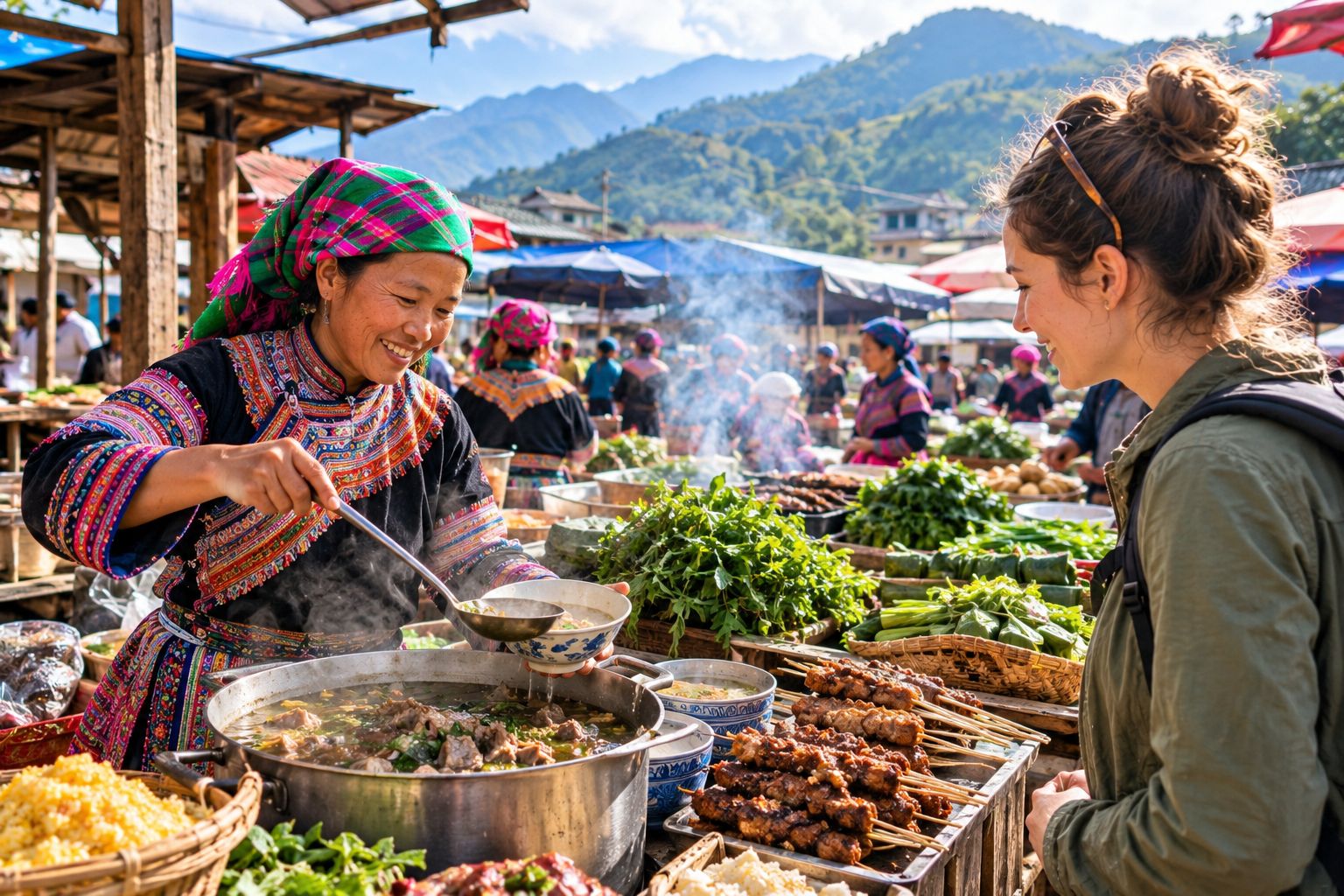
Bac Ha is famous for its Sunday market, which brings together traders and visitors from the surrounding region.
If the market is central to your itinerary, plan to be in the Bac Ha area on Sunday and verify the current schedule before departure.
Why visit in the morning?
Arriving in the morning can give you more time to explore the market, browse local products, sample food, and observe the trading activity.
The market can become busy, so allow time to move through the different sections without rushing.
Can you visit the market outside Sunday?
Bac Ha town can be visited on other days, but the main Sunday market experience is tied to its weekly schedule. Do not assume that the same scale of activity or range of vendors will be available on another day.
If you cannot travel on Sunday, consider focusing on other attractions in the Bac Ha area and confirm which experiences are available during your dates.
For more details, read our Bac Ha Sunday Market guide.
8. How Many Days Do You Need for Sapa and Bac Ha?
The right length of stay depends on how much trekking, cultural exploration, and road travel you want to include.
One day
A single day may be possible for a focused visit to one destination, but combining Sapa and Bac Ha can be demanding because the road journey takes time.
If you want to visit Bac Ha Sunday Market from Sapa, plan carefully and confirm transport timings. Avoid an itinerary that leaves too little time at the market or depends on unrealistic transfer times.
Two days and one night
Two days can provide more flexibility for combining cultural experiences with mountain scenery. However, the exact itinerary depends on the starting point, the transport arrangements, and which attractions you want to visit.
You may need to prioritize a market visit, selected villages, or a trekking route rather than trying to see everything.
Three days or more
A longer trip gives you more time to explore the region at a comfortable pace. You can dedicate time to Sapa’s valleys and village trails while planning a separate visit to Bac Ha.
This approach is especially useful for travelers who enjoy photography, local food, and cultural learning.
For trekking ideas, see our guide to the best treks in Sapa.
9. Practical Tips for Planning Your Trip
Check the weather shortly before departure
Mountain weather can change quickly. Review the forecast close to your travel dates and ask local accommodation providers or guides about actual conditions.
Keep your itinerary flexible
Rain, fog, road conditions, and seasonal agricultural activities can affect your plans. Build in some flexibility, particularly when traveling between Sapa and Bac Ha.
Bring suitable footwear
Even in relatively dry weather, rural paths can be uneven. If you plan to trek, use shoes with good grip and bring rain protection.
Respect local communities
Markets and villages are places where people live, work, and trade. Ask before photographing people, avoid entering private property without permission, and follow local guidance during village visits.
Confirm tour inclusions
If you book a tour, ask which attractions are included, how much time is allocated to each stop, and whether transport, meals, guides, and accommodation are covered.
This is particularly important when combining destinations that require substantial road travel.
10. Which Season Should You Choose?
The best season depends on your travel priorities.
Choose spring if you want to explore villages and mountain scenery in changing seasonal conditions.
Choose summer if you enjoy lush green landscapes and are comfortable planning around rain.
Choose autumn if rice terraces and outdoor exploration are high on your list.
Choose winter if you enjoy cooler weather and do not mind the possibility of fog or limited views.
For Bac Ha, the weekly market schedule is often more important than the season itself. If you want to experience the Sunday market, build your itinerary around the market day and then choose the best available dates for your other activities.
Explore Sapa and Bac Ha with Less Touristy Tour Vietnam
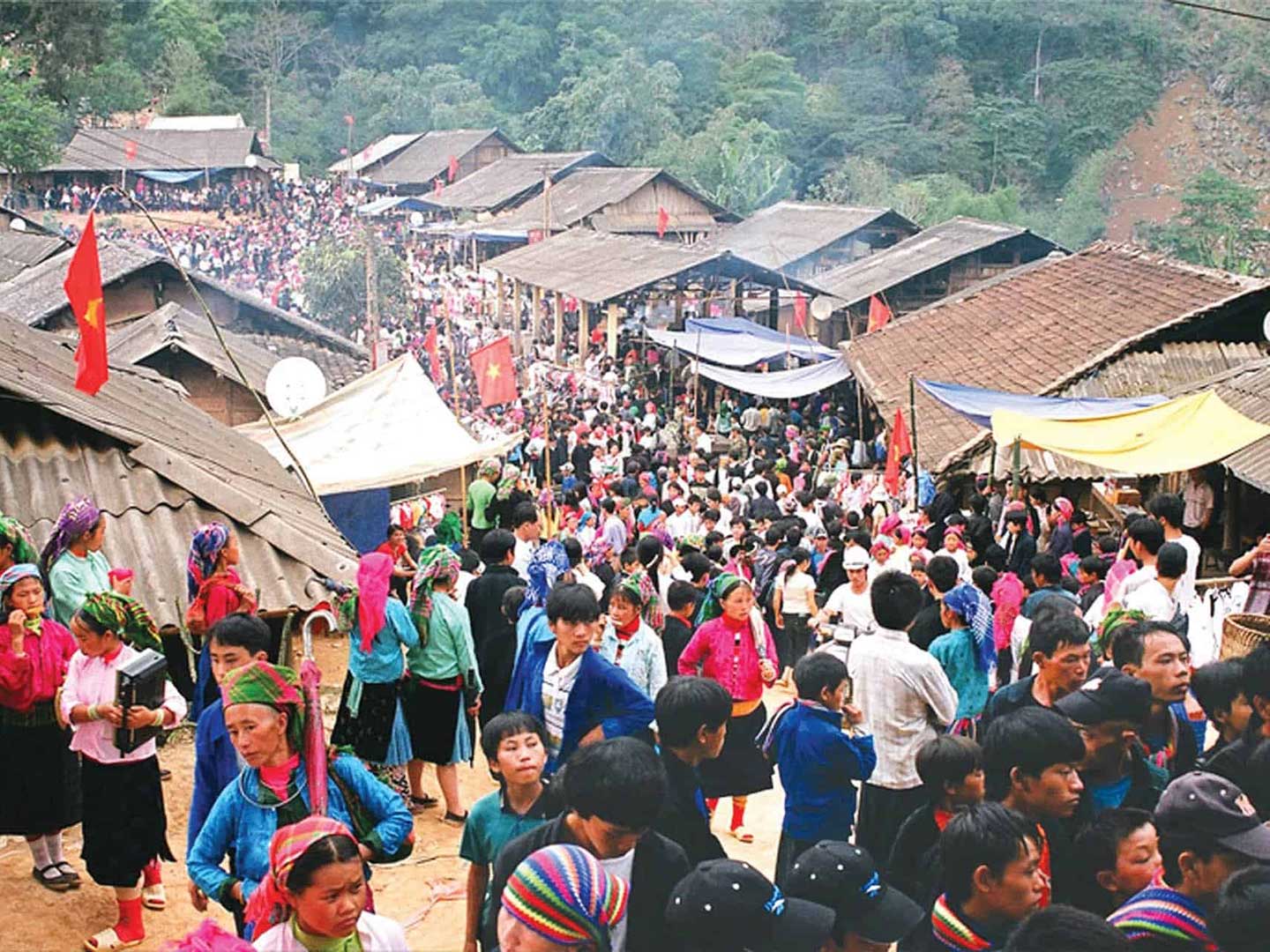
Sapa and Bac Ha offer different but complementary ways to experience Northern Vietnam. One is widely known for its mountain valleys and trekking routes, while the other is particularly associated with its highland market and regional cultural traditions.
With thoughtful planning, you can combine scenic walks, local food, village visits, and cultural experiences without rushing from one attraction to another.
Explore our Sapa on a Sunday tour to review the available itinerary and discuss your travel dates. Confirm the current schedule and included stops before booking.
Plan your visit around the experiences that matter most to you, and leave room to discover Northern Vietnam at a slower pace.
Frequently Asked Questions
What is the best month to visit Sapa?
September and October are popular for rice terrace scenery, while March to May can be attractive for spring landscapes and outdoor exploration. Conditions vary each year.
What is the best time to visit Bac Ha Sunday Market?
Plan your visit around Sunday, when the main market is usually held. Confirm the current schedule locally before traveling.
Is Sapa worth visiting in the rainy season?
Yes, if you are comfortable with flexible plans and occasional rain. The countryside can be lush and green, but trekking trails may be slippery and visibility may be limited.
Can I visit Sapa and Bac Ha in one trip?
Yes. Many travelers combine the destinations, but road transfers take time. A multi-day itinerary is generally more comfortable than trying to fit both into a rushed day.
When is the best time to see golden rice terraces in Sapa?
September and October are commonly considered promising months, but harvest timing varies by location and year. Check current local conditions before finalizing your dates.
Is winter too cold for visiting Sapa and Bac Ha?
Not necessarily. Winter visits are possible, but temperatures can be low and fog may affect views. Bring warm clothing and remain flexible with outdoor plans.
Do I need to book a tour in advance?
Booking ahead can help with transport and itinerary planning, particularly if you have fixed travel dates or want to visit Bac Ha on Sunday. Confirm the tour’s current inclusions and schedule before paying.