


Best Treks in Sapa: Discover Y Linh Ho, Lao Chai and Ta Van Villages
Sapa is one of the most rewarding destinations in Northern Vietnam for travelers who want to explore mountain landscapes on foot. Beyond the town center, winding trails lead through terraced rice fields, traditional villages, bamboo groves, and valleys surrounded by the Hoang Lien Son mountain range.
For visitors seeking a more meaningful experience, the best treks in Sapa are not simply about reaching a viewpoint. They are about walking through the countryside, discovering local cultures, and understanding how communities have adapted to life in the mountains.
Among the most interesting areas to explore are Y Linh Ho, Lao Chai, and Ta Van. Located in and around the Muong Hoa Valley, these villages offer a combination of scenic walking routes, agricultural landscapes, and opportunities to learn about the ethnic communities of the region.
Whether you are an experienced hiker or a first-time visitor to Vietnam, this guide will help you understand the main trekking areas, choose a suitable route, prepare for changing mountain conditions, and decide whether a guided Sapa trekking tour is right for you.
Why Is Sapa One of the Best Places for Trekking in Vietnam?
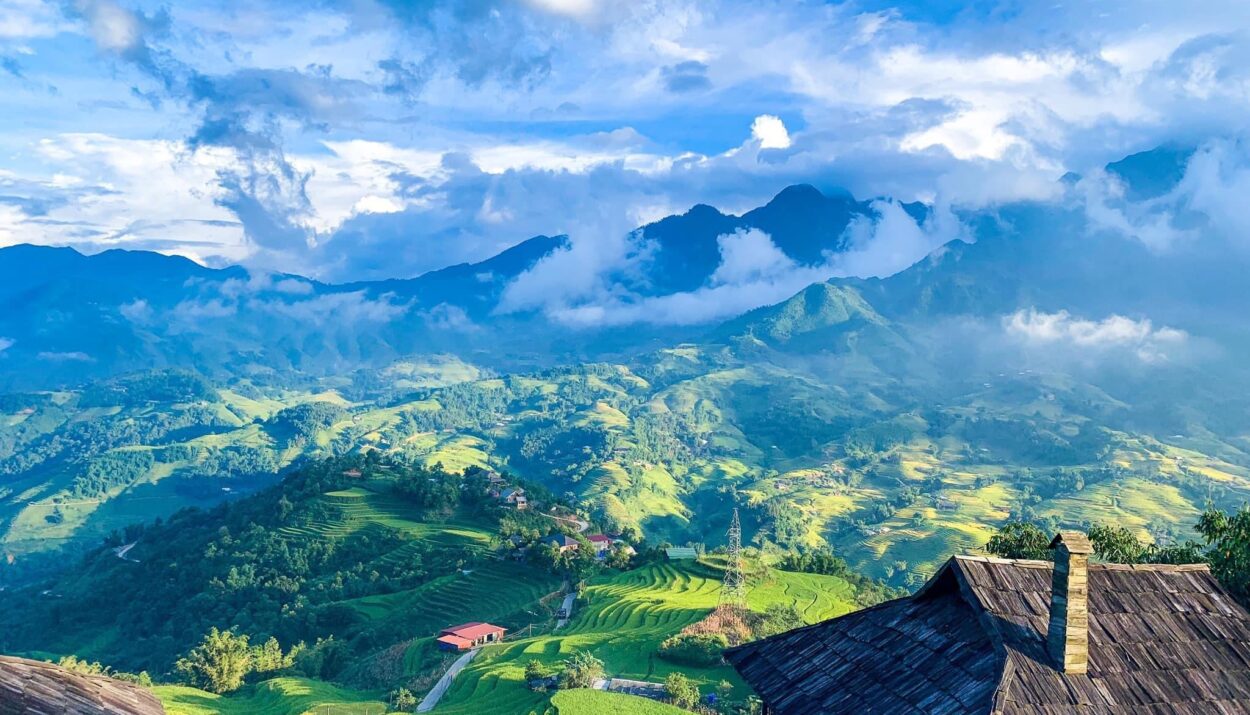
Sapa offers a distinctive trekking experience because its natural scenery and cultural landscapes are closely connected.
The surrounding mountains rise above valleys shaped by generations of agricultural activity. Terraced rice fields follow the contours of hillsides, while narrow paths connect villages, farms, and small settlements.
Unlike a trek focused exclusively on reaching a summit, many routes around Sapa allow travelers to explore the landscape at a slower pace. You can stop to appreciate the scenery, observe farming activities, learn about local traditions, and take photographs along the way.
Several factors make Sapa particularly appealing for trekking:
- Dramatic mountain scenery: The region features steep hillsides, green valleys, and panoramic views of the surrounding mountains.
- Terraced rice fields: These agricultural landscapes change throughout the year, creating different photographic opportunities in different seasons.
- Ethnic cultural diversity: Communities including Hmong, Dao, Giay, and Tay live in the broader Sapa region.
- Village-to-village routes: Many trails connect settlements and offer a closer look at rural life.
- Flexible trekking experiences: Depending on the route and conditions, visitors can choose shorter walks or more demanding hikes.
For travelers who want to experience Northern Vietnam beyond its major attractions, trekking in Sapa provides an excellent combination of nature, culture, and outdoor activity.
1. Y Linh Ho Village: A Scenic Starting Point for Sapa Trekking
Y Linh Ho is one of the villages commonly associated with trekking in the Muong Hoa Valley. Its surroundings include terraced hillsides, mountain paths, agricultural land, and views across the valley.
For many travelers, this area offers an introduction to the quieter side of Sapa, away from the busiest streets of the town center.
What Makes Y Linh Ho Special?
The landscape is one of Y Linh Ho’s main attractions. Depending on the season, you may see green fields, cultivated hillsides, or rice terraces changing color as the agricultural cycle progresses.
Walking through the area gives you a chance to appreciate the relationship between the landscape and local livelihoods. Farming remains an important part of rural life, and the paths often pass through areas where people work the land.
Y Linh Ho is also associated with Hmong communities. A respectful visit can offer insight into local ways of life, although visitors should remember that the village is a residential area rather than an attraction designed solely for tourists.
What Can You Expect on a Trek Through Y Linh Ho?
A typical walk in the area may involve uneven paths, gradual descents, hillside sections, and occasional muddy ground after rain.
The experience depends on your selected route and the weather. During clear conditions, the valley can offer excellent opportunities for landscape photography. On misty days, the scenery may feel quieter and more atmospheric, although visibility can be limited.
If you are visiting for the first time, a local guide can help you follow suitable paths, explain the surrounding landscape, and avoid unnecessary detours.
Who Should Visit Y Linh Ho?
Y Linh Ho may appeal to travelers who enjoy countryside scenery, village walks, and cultural exploration.
It can be a good choice for photographers, nature lovers, and visitors who prefer spending time outdoors rather than limiting their trip to the main tourist areas.
However, do not assume every route is easy. Ask about the distance, elevation changes, and ground conditions before starting, especially if you have limited hiking experience.
2. Lao Chai Village: Terraced Rice Fields and Hmong Culture

Lao Chai is one of the best-known villages in the Muong Hoa Valley and an important stop on many Sapa trekking itineraries.
The village is especially popular for its expansive terraced rice fields, mountain scenery, and association with Black Hmong communities.
Why Visit Lao Chai?
The agricultural landscape is a major reason to visit Lao Chai. Rice terraces follow the contours of the hills, creating layers of cultivated land that stretch across the valley.
The scenery changes considerably throughout the year. During the growing season, fields may appear bright green. Closer to harvest, the landscape can turn golden, depending on local planting schedules and weather conditions.
The village also provides opportunities to learn about the relationship between farming, family life, and the surrounding environment.
Rather than treating the terraces as a static backdrop, take time to notice how the landscape is used. The paths, irrigation channels, cultivated fields, and homes all form part of a living rural environment.
Experience Black Hmong Culture Respectfully
The Black Hmong are one of the ethnic communities associated with the Sapa region. Their cultural traditions include distinctive clothing, textile work, handicrafts, and knowledge of mountain agriculture.
Visitors may encounter local artisans, small shops, or residents selling handmade products. The availability and origin of individual items vary, so ask questions if you are interested in the craftsmanship.
When photographing people, always request permission. Avoid entering private homes or cultivated land without an invitation, and follow your guide’s advice when visiting residential areas.
These small gestures help ensure that cultural tourism remains respectful and beneficial to the communities being visited.
Is Lao Chai Suitable for Beginners?
Some routes through and around Lao Chai can suit travelers with moderate fitness, but difficulty depends on the exact itinerary.
Paths may include steep sections, slippery ground, narrow trails, and uneven stone or earth surfaces. Rain can make these conditions more challenging.
If you are new to trekking, choose a route that matches your fitness level and allow enough time for breaks. Suitable footwear and a guide familiar with local conditions can make the experience more comfortable.
3. Ta Van Village: Local Life in the Muong Hoa Valley
Ta Van is another popular destination for travelers exploring the villages around Sapa.
Located in the Muong Hoa Valley, it is known for its rural scenery, surrounding rice terraces, and cultural diversity. Giay communities are associated with the village, alongside other residents of the wider region.
For travelers interested in seeing how village life differs from the atmosphere of Sapa town, Ta Van can be a rewarding stop.
What Makes Ta Van Different?
Ta Van combines mountain scenery with a village environment that has become part of the region’s tourism network.
Some visitors come for the landscapes, while others are interested in village walks, local food, and accommodation experiences offered by certain homestays.
The area can also serve as a convenient place to take a break during a longer trekking route.
Because Ta Van is accessible to visitors and has developed tourism services, some sections may feel busier than quieter paths elsewhere in the valley. If you prefer a more peaceful walk, ask your guide about alternative trails and suitable visiting times.
Explore Local Architecture and Daily Life
Walking through Ta Van can provide a closer look at residential buildings, gardens, small businesses, and agricultural areas.
Depending on the route, you may see traditional building styles alongside newer homes and tourism-related businesses.
A visit does not guarantee access to private homes or opportunities to observe specific cultural activities. If you want to visit a homestay or learn about local customs, arrange the experience in advance rather than assuming that every home is open to visitors.
Should You Stay Overnight in Ta Van?
Some travelers choose to stay in Ta Van or nearby villages to experience the countryside after day visitors have returned to town.
An overnight stay may offer a slower pace and more time to appreciate the surrounding landscape. However, facilities vary by accommodation, so check the room type, bathroom arrangements, meals, heating, and transport options before booking.
If your main priority is trekking rather than accommodation, a day walk through the valley may be sufficient.
4. Muong Hoa Valley: The Landscape That Connects These Villages
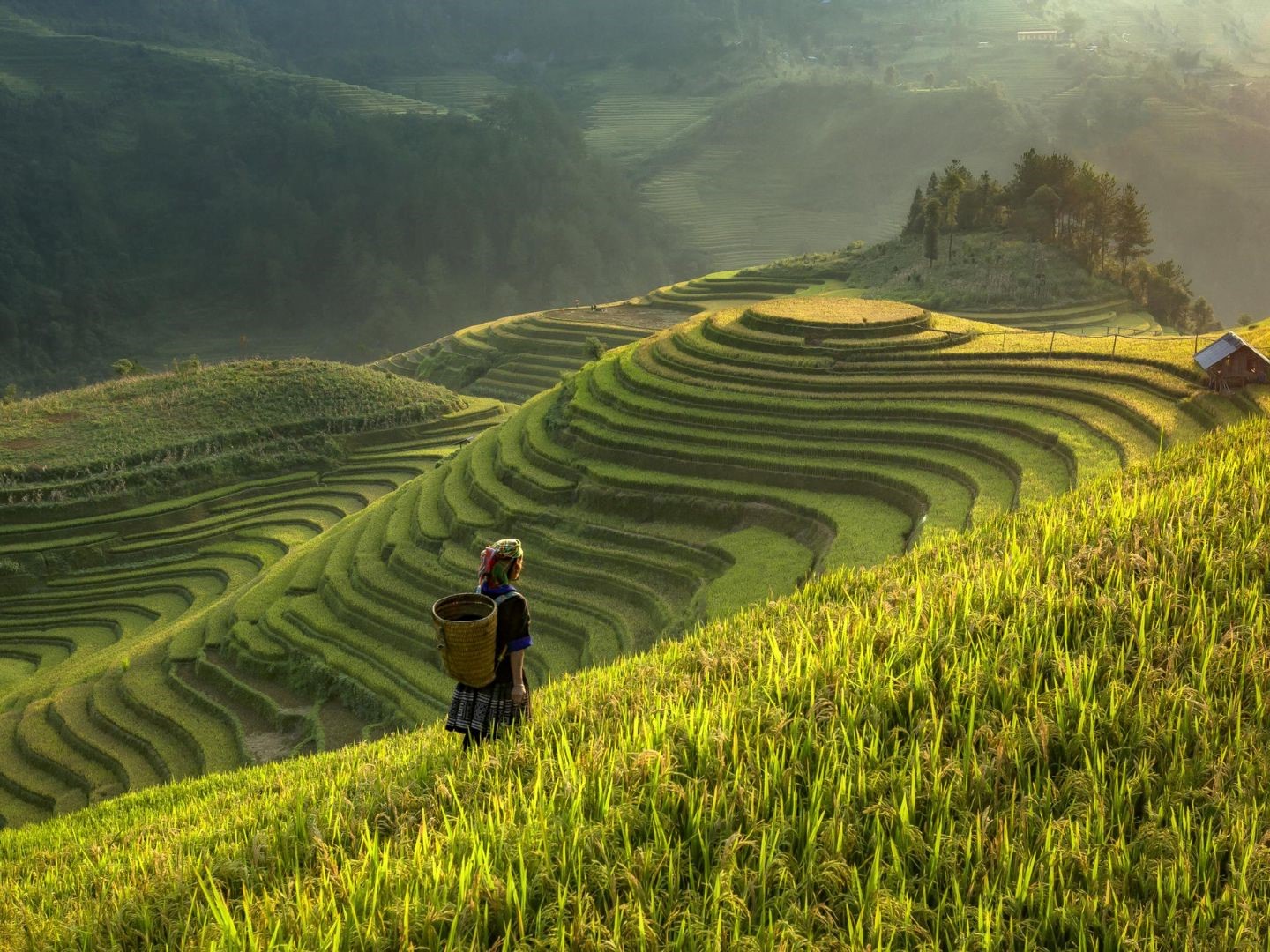
Y Linh Ho, Lao Chai, and Ta Van are often discussed together because of their relationship with the Muong Hoa Valley.
The valley is one of the most recognizable landscapes in the Sapa area. Its terraced fields, winding trails, streams, and surrounding mountains create a varied environment for walking and photography.
Why Is Muong Hoa Valley Ideal for Trekking?
The valley offers opportunities to combine several types of scenery in one journey.
A route may begin with elevated views over the fields before descending toward villages and agricultural areas. Along the way, the landscape can shift from open hillsides to narrow paths between homes and cultivated plots.
The variety makes the valley suitable for travelers who want more than a single viewpoint.
However, routes differ in length, elevation, and difficulty. Some paths may cross private land or agricultural areas, and trail conditions can change after heavy rain.
Using a local guide can help you select an appropriate route and understand which sections are accessible on the day of your visit.
What Is the Best Season for Muong Hoa Valley Trekking?
The experience changes throughout the year.
Spring: The weather may be cool, and the surrounding countryside can feature seasonal blossoms and fresh vegetation.
Summer: Rice fields may be lush and green, although rainfall can make trails muddy and slippery.
Late summer and autumn: Depending on the local planting and harvesting calendar, terraces may display green, yellow, or golden tones. This period is popular with landscape photographers, but exact conditions vary each year.
Winter: Cooler temperatures, mist, and occasional poor visibility can create a different atmosphere. Bring warm clothing and check trail conditions before setting out.
If your main goal is to photograph golden rice terraces, confirm local crop conditions close to your travel dates rather than relying on a fixed calendar.
5. Other Trekking Routes to Consider in Sapa
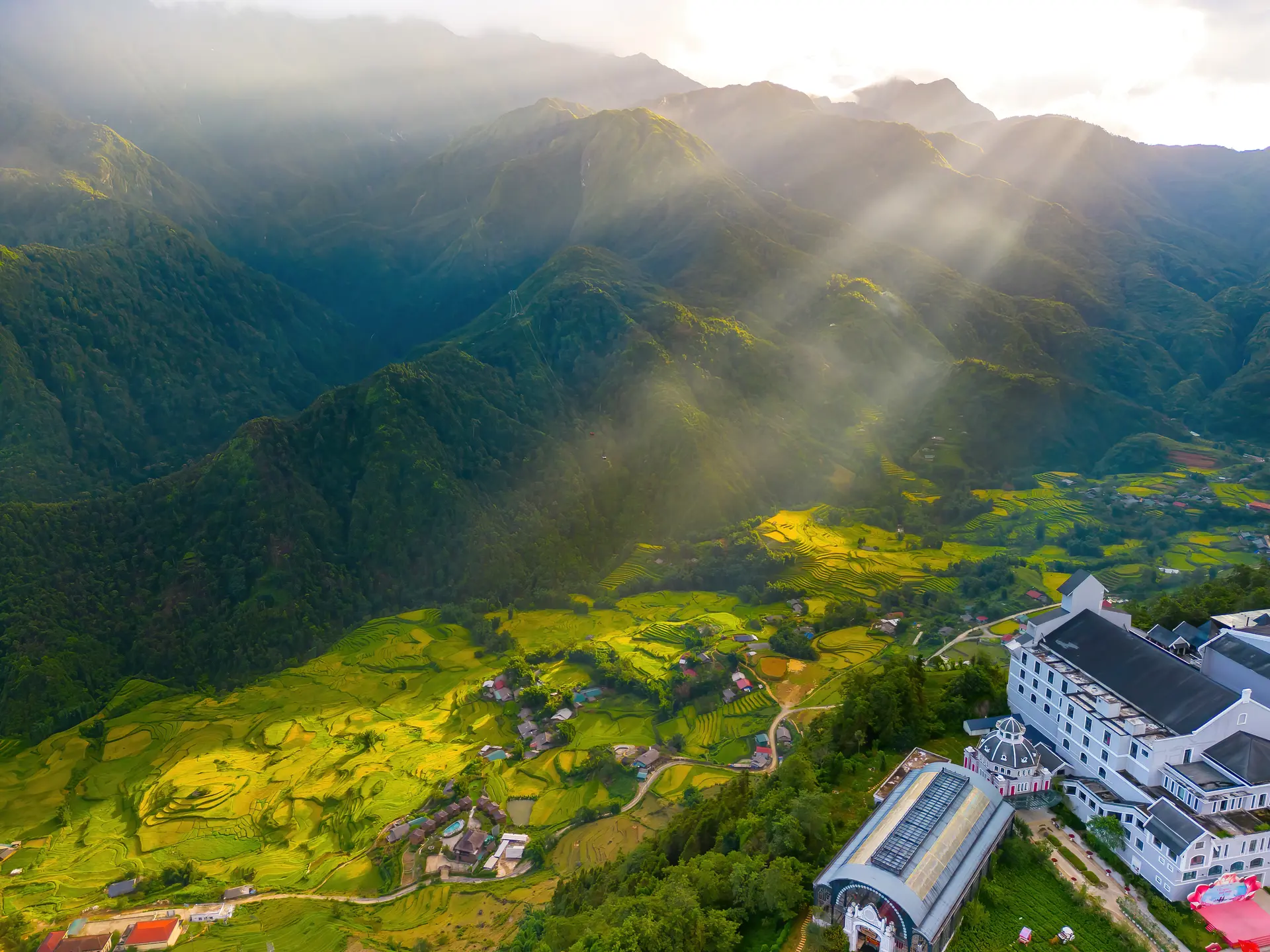
Although Y Linh Ho, Lao Chai, and Ta Van are popular choices, they are not the only areas worth exploring.
The best route depends on your available time, fitness level, and interest in scenery or cultural experiences.
Short Village Walks
Travelers with limited time can consider shorter walks near accessible villages.
These routes may be appropriate if you want to enjoy the countryside without committing to a long day of hiking. Even a short walk can provide views of terraced fields and opportunities to observe rural life.
Confirm the distance and elevation changes before choosing a route, as short distances on a map do not always translate into easy walking in mountainous terrain.
Longer Valley Treks
For more active travelers, longer routes may connect multiple villages and offer a broader view of the landscape.
These walks require more time and preparation. Weather, trail conditions, and elevation changes can affect the difficulty, so a realistic itinerary is more important than trying to cover as many places as possible.
Guided Cultural Walks
Some travelers prefer a slower walk focused on cultural interpretation rather than physical challenge.
A knowledgeable local guide can explain regional agriculture, traditional clothing, local architecture, and the differences between communities in the area.
If cultural learning is your priority, discuss your interests before booking so the itinerary can be matched to your expectations.
6. How Difficult Is Trekking in Sapa?
Trekking difficulty varies considerably across Sapa.
Some routes are relatively short, while others involve several hours of walking over steep or uneven terrain. Rain can make trails slippery, and mountain weather may change quickly.
Before booking a trek, consider the following factors.
Fitness Level
You do not need to be an experienced mountaineer for every Sapa village walk, but a reasonable level of fitness is helpful.
If you rarely walk long distances, begin with a shorter itinerary and ask whether the route can be adjusted.
Terrain and Elevation
Mountain trails may include dirt paths, stones, steps, steep descents, and narrow sections. The amount of climbing and descending can matter as much as the total distance.
Ask your operator for an estimated walking time, elevation changes, and a description of the terrain.
Weather
Rain can affect both safety and comfort. During wet conditions, some trails may become muddy or slippery.
A responsible operator should be able to advise whether a route remains appropriate or whether an alternative is needed.
Children and Travelers With Mobility Limitations
Not every trekking route is suitable for young children, older travelers, or people with mobility limitations.
If anyone in your group has specific requirements, discuss them with the operator before booking. Ask about shorter alternatives, rest stops, access conditions, and whether the route can be adapted.
7. What to Pack for a Sapa Trekking Tour
Packing the right items can make a significant difference to your comfort.
For most village treks, consider bringing:
- Walking shoes with good grip: Essential for uneven paths and potentially muddy trails.
- Lightweight clothing: Choose comfortable layers that allow you to move easily.
- A rain jacket: Mountain weather can change quickly.
- Water: Carry enough for the expected duration of the walk.
- Sun protection: Sunglasses, sunscreen, and a hat are useful on exposed sections.
- A small backpack: Keep essentials accessible without carrying unnecessary weight.
- Cash: Useful for small purchases in villages where electronic payments may not be available.
- Personal medication: Bring any medication you may need during the walk.
During colder months, add warm layers. If you plan to trek in wet weather, consider spare socks and clothing that dries relatively quickly.
Avoid carrying more than you need. A lighter backpack can make steep sections more manageable.
8. Should You Trek in Sapa Independently or With a Local Guide?
Both independent trekking and guided walks have advantages, but the best option depends on your experience and the route.
Independent Trekking
Independent trekking may appeal to travelers who enjoy planning their own routes and moving at their preferred pace.
However, unfamiliar trails, changing weather, language barriers, and private land access can complicate the experience.
Before setting out, check route conditions, navigation options, transport arrangements, and whether the paths you intend to use are accessible.
Guided Sapa Trekking
A local guide can help with navigation, route selection, cultural interpretation, and communication.
Guides may also be able to adjust the pace and explain the significance of the landscapes and villages you encounter.
For first-time visitors, a guided trek can reduce planning complexity and make it easier to combine outdoor activities with cultural experiences.
When comparing tours, check the walking distance, group size, guide language, transportation, meals, and any additional costs.
9. How to Combine Sapa Trekking With a Bac Ha Sunday Market Visit
If you have several days in Northern Vietnam, consider combining Sapa’s mountain villages with a visit to Bac Ha Sunday Market.
The two destinations offer different but complementary experiences.
Sapa is particularly known for its mountain scenery, terraced fields, and village trekking. Bac Ha provides a chance to explore a traditional highland market where local communities gather to trade goods, buy food, and socialize.
A multi-day itinerary can therefore combine walking through the countryside with cultural exploration in a lively market environment.
However, the logistics require careful planning. Bac Ha and Sapa are separate destinations, and traveling between them takes time. If you want to visit Bac Ha on Sunday and also explore several Sapa villages, confirm the route, departure times, and overnight arrangements before finalizing your plans.
For travelers with limited time, an organized itinerary may be more convenient than arranging each transfer independently.
10. Discover Sapa With Less Touristy Tour Vietnam
Walking through Y Linh Ho, Lao Chai, and Ta Van reveals a different side of Sapa—one shaped by agricultural landscapes, mountain communities, and everyday rural life.
These villages are not simply scenic stops. They are living places where people work, raise families, maintain traditions, and adapt to a changing tourism environment.
A thoughtful trekking experience allows visitors to appreciate both the beauty of the landscape and the people who call it home.
If you want to combine Sapa’s village trails with the cultural atmosphere of Bac Ha Sunday Market, explore the Sapa on a Sunday: A Perfect Blend of Culture and Scenic Beauty tour by Less Touristy Tour Vietnam.
This multi-day experience brings together cultural discovery and scenic exploration in Northern Vietnam. Before booking, review the current itinerary, walking requirements, transportation, accommodation, and inclusions to make sure the tour matches your interests.
Ready to explore Sapa beyond the usual tourist stops?
Discover the Sapa on a Sunday Tour and start planning a journey through Northern Vietnam’s mountain scenery, village trails, and cultural traditions.
Frequently Asked Questions About Trekking in Sapa
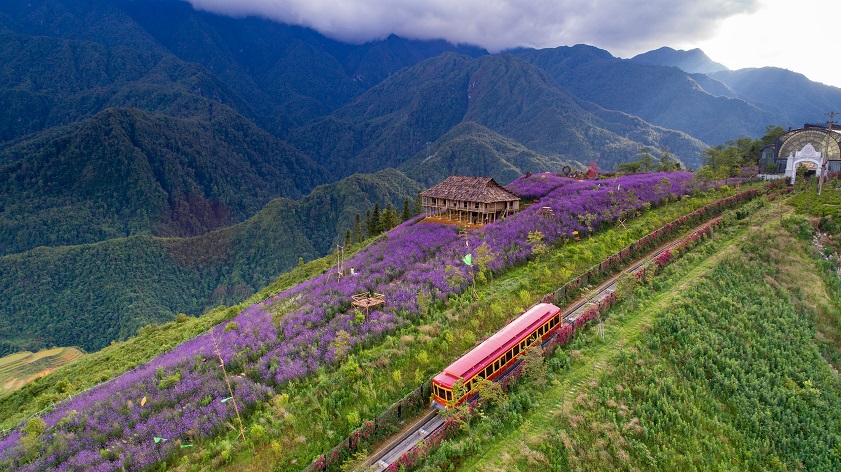
What are the best treks in Sapa for first-time visitors?
Y Linh Ho, Lao Chai, and Ta Van are popular areas for first-time visitors because they combine mountain scenery, terraced rice fields, and village experiences. The most suitable route depends on your fitness level and the time available.
How long does a Sapa village trek take?
Short walks may take a few hours, while longer routes can occupy much of the day. Duration depends on distance, elevation, weather, stops, and the pace of the group.
Ask your tour operator for an estimated walking time before booking.
Do I need a guide for trekking in Sapa?
A guide is not essential for every route, but one can help with navigation, cultural interpretation, and route planning. First-time visitors may find guided trekking particularly useful.
What should I wear for trekking in Sapa?
Wear comfortable clothing and walking shoes with good grip. Bring a rain jacket and extra layers appropriate for the forecast. In wet conditions, avoid footwear that becomes slippery easily.
When is the best time to see rice terraces in Sapa?
The landscape changes with local agricultural schedules. Fields may be green during the growing season and turn golden closer to harvest. Check conditions close to your travel dates if the rice terraces are your main reason for visiting.
Is trekking in Sapa suitable for beginners?
Some routes are suitable for beginners with reasonable fitness, but not all trails are easy. Choose an itinerary based on terrain, distance, elevation changes, and weather conditions.
Can I combine trekking in Sapa with Bac Ha Sunday Market?
Yes, a multi-day itinerary can combine both destinations. Because transportation between Sapa and Bac Ha takes time, careful scheduling is important, especially if you want to visit the market on Sunday.
What makes Sapa trekking different from hiking in other parts of Vietnam?
Sapa combines mountain scenery with terraced agriculture and access to villages associated with several ethnic communities. This allows travelers to experience both the natural environment and aspects of rural life during the same journey.