

Bac Ha Sunday Market: A Complete Guide for First-Time Visitors
Northern Vietnam is famous for its dramatic mountain landscapes, terraced rice fields, and diverse ethnic cultures. While Sapa attracts travelers with its spectacular scenery, Bac Ha offers another memorable experience: a vibrant Sunday market where local communities gather to trade goods, share food, and maintain traditions that have shaped life in the northern highlands for generations.
Bac Ha Sunday Market is one of the most interesting cultural experiences for travelers who want to discover a different side of Vietnam. Beyond shopping, the market provides an opportunity to observe local customs, sample regional dishes, browse handmade textiles, and explore the rhythms of everyday life in a mountain town.
If you are planning a trip to Northern Vietnam, this guide explains what to expect at Bac Ha Market, when to visit, what to eat, how to get there from Sapa, and how to make your visit more meaningful.
What Is Bac Ha Sunday Market?
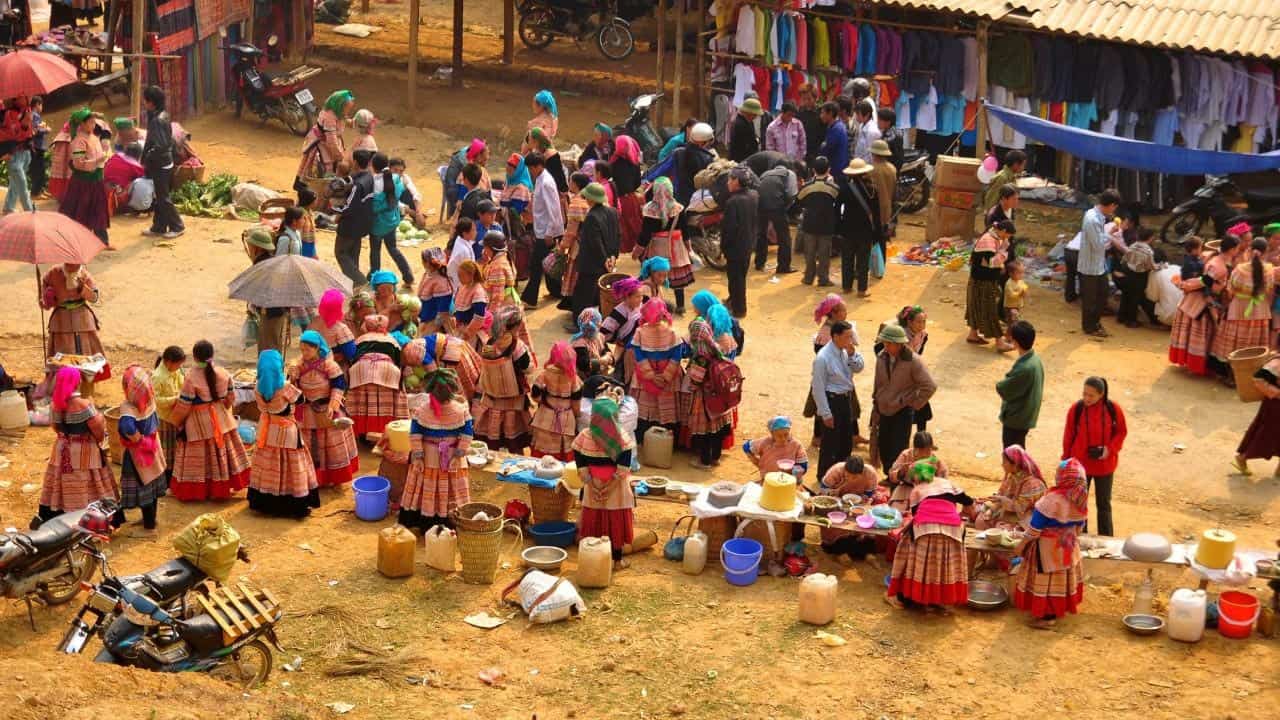
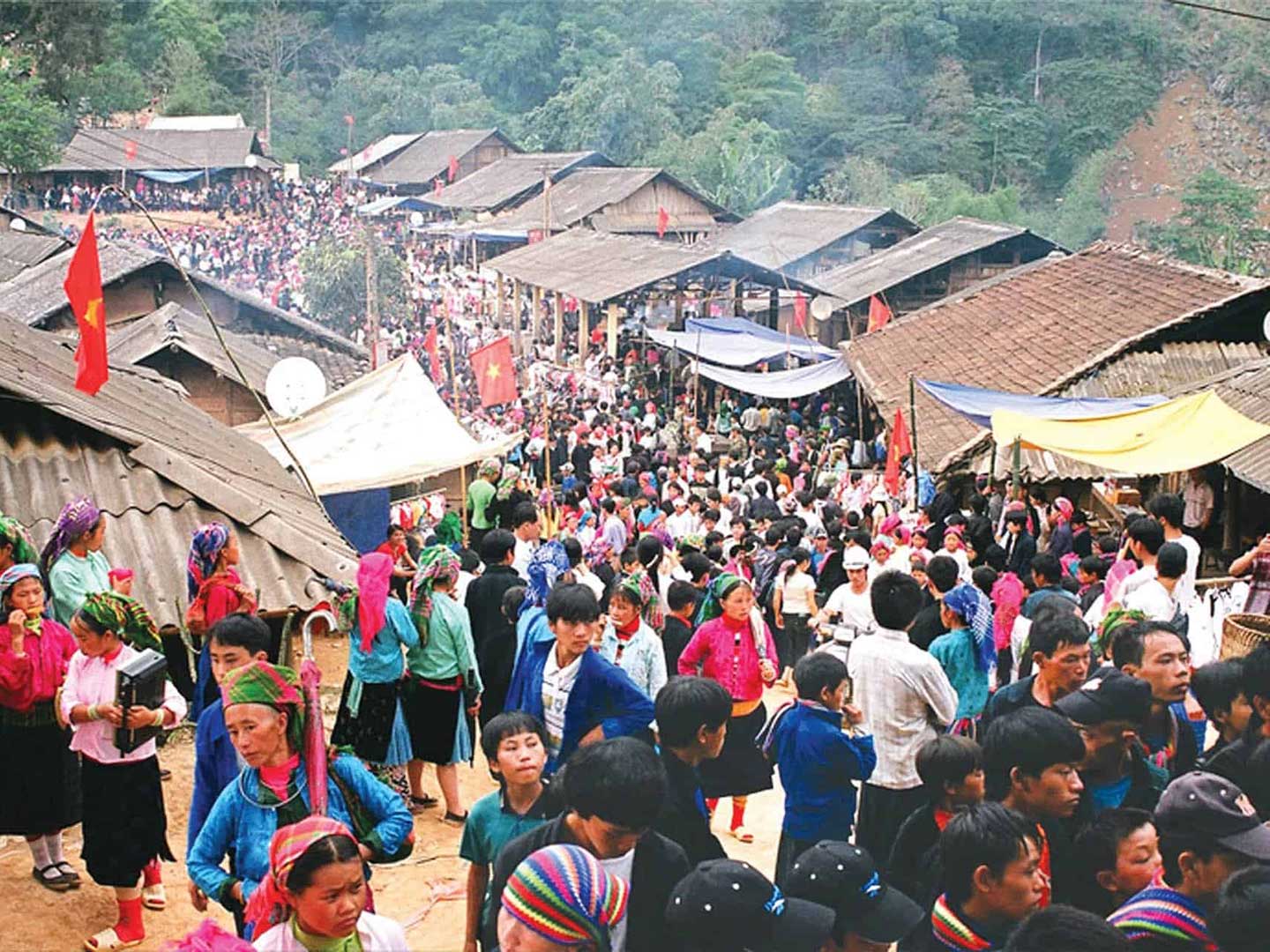
Bac Ha Sunday Market is a traditional weekly market in Bac Ha, a highland town in Lao Cai Province, Northern Vietnam. It is best known for bringing together people from surrounding villages and ethnic communities, including Flower Hmong, Tay, Nung, and other groups living in the region.
Unlike a conventional shopping center, the market serves several purposes. Local residents come to buy and sell fresh produce, household supplies, livestock, clothing, agricultural products, and handmade goods. Families also meet friends, enjoy traditional food, and catch up on community news.
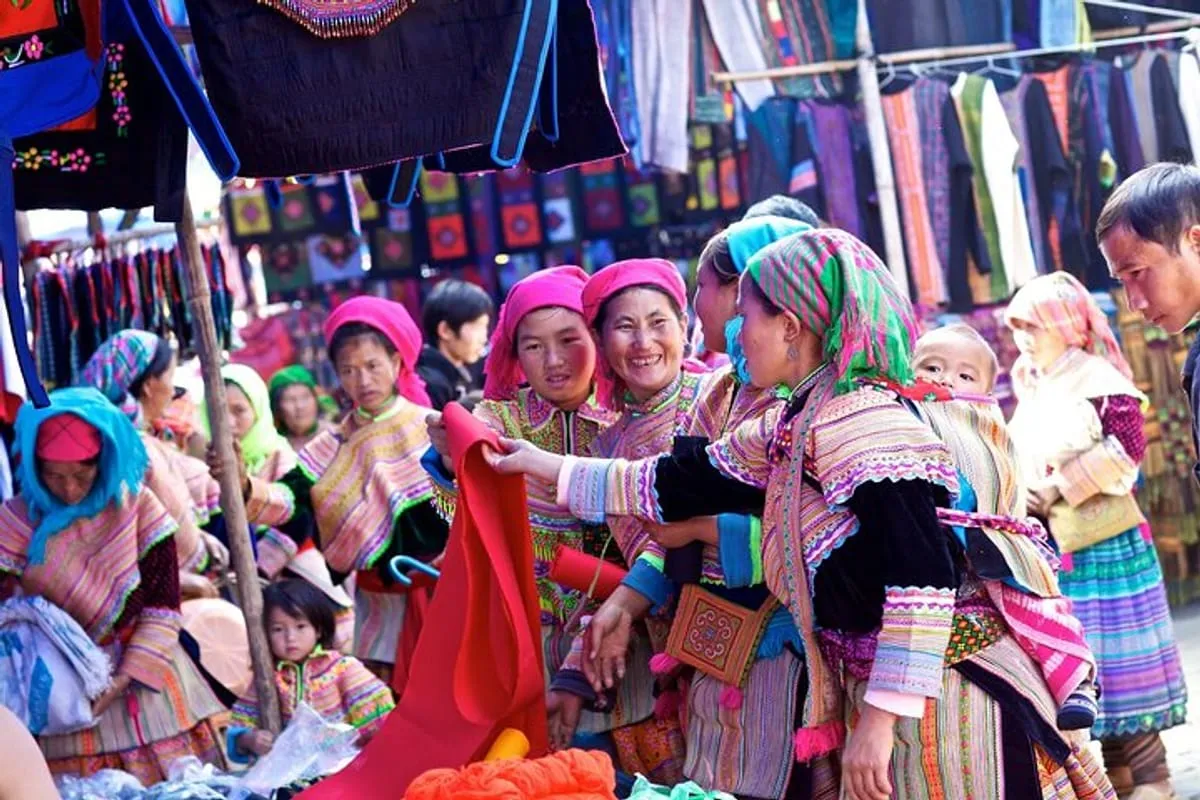
For visitors, this combination of commerce and social life makes the market especially fascinating. Colorful traditional clothing, baskets of vegetables, stalls selling local specialties, and the lively sounds of conversation create an atmosphere that feels distinctly different from Vietnam’s larger cities.
The market is also a reminder that ethnic culture is not simply something displayed for tourists. It remains part of people’s daily lives, and visitors should approach the experience with curiosity and respect.
Why Is Bac Ha Sunday Market Worth Visiting?
1. Discover the Colorful Culture of the Flower Hmong
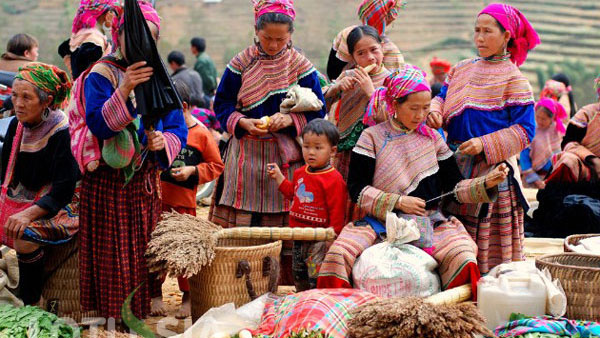
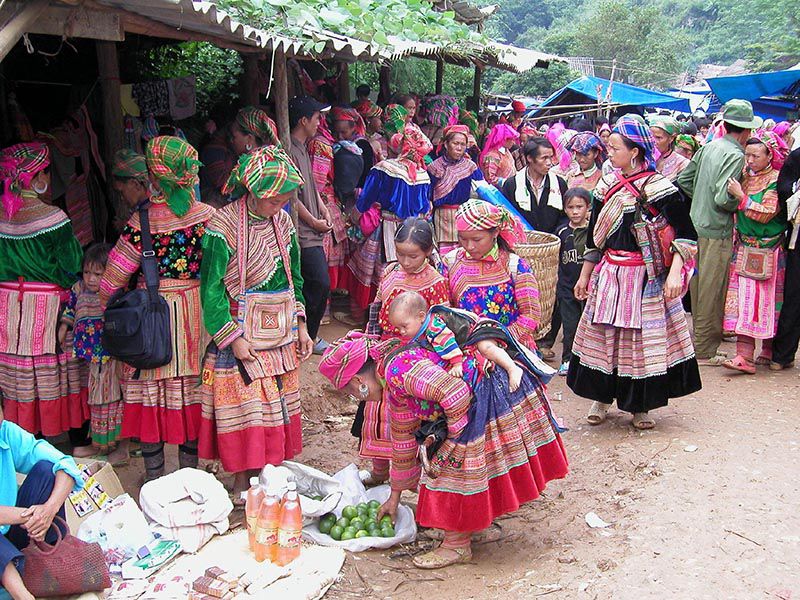
One of the most recognizable features of Bac Ha Market is the traditional clothing worn by many Flower Hmong women. Their outfits can include brightly colored fabrics, intricate embroidery, decorative patterns, and elaborate accessories.
These garments reflect cultural identity, craftsmanship, and traditions passed down through generations. Walking through the market, you may see different styles of clothing, handmade textiles, and accessories being sold alongside everyday necessities.
Take time to observe the details rather than simply photographing the colors. If you would like to take someone’s portrait, always ask permission first. A friendly greeting and a respectful approach can make interactions more comfortable for both visitors and local residents.
2. Experience a Traditional Mountain Market
Bac Ha Market is not only a destination for travelers. It is an important meeting place for surrounding communities.
You may find stalls selling seasonal vegetables, fruit, herbs, farming tools, household goods, fabrics, and locally produced food. Some areas are particularly busy in the early morning, when residents arrive to shop before returning to their villages.
This is a good opportunity to understand how people in the northern highlands buy and sell goods, support local livelihoods, and maintain connections between communities.
Rather than rushing from one section to another, spend some time observing the everyday interactions. Often, these ordinary moments provide a deeper understanding of a destination than a checklist of sightseeing stops.
3. Taste Local Food in Bac Ha
Food is an essential part of the Bac Ha Market experience. Small eateries and food stalls offer regional dishes that reflect the ingredients and culinary traditions of Northern Vietnam.
Depending on availability, visitors may encounter:
- Bac Ha sour pho: A distinctive regional noodle dish with a refreshing, tangy flavor.
- Men men: A traditional dish made from steamed ground corn, particularly associated with Hmong cuisine.
- Thang co: A traditional highland dish commonly associated with local market culture.
- Local corn wine: A regional specialty that adults may encounter in the area.
- Seasonal produce: Fresh vegetables, fruit, herbs, and other ingredients supplied by nearby communities.
Food availability varies by season and vendor. If you have dietary restrictions, allergies, or prefer vegetarian meals, ask about the ingredients before ordering.
Trying local food is more than a culinary activity. It offers a practical way to discover how regional ingredients, farming practices, and cultural traditions influence daily life.
4. Browse Handmade Textiles and Local Products
Bac Ha Market is also a place to discover traditional fabrics, embroidered accessories, clothing, baskets, and other locally available goods.
Some products may be handmade, while others may be commercially produced. If craftsmanship is important to you, ask the seller about the materials, techniques, and origin of an item rather than assuming everything is locally made.
Buying directly from local vendors can help support the market economy. Consider choosing items you genuinely value instead of purchasing souvenirs simply because they look attractive in photographs.
If you plan to shop, bring some Vietnamese dong in cash, as smaller vendors may not accept cards or digital payments.
What Is the Best Time to Visit Bac Ha Sunday Market?
Visit on Sunday Morning
The main market takes place on Sundays, making the day an important consideration when planning your trip.
For many visitors, arriving in the morning is the best approach. Market activity often begins early, and an earlier arrival gives you more time to explore before returning to Sapa or continuing your journey through Northern Vietnam.
Exact opening and closing times can vary. If you are traveling a long distance, confirm the latest local arrangements before departure.
A practical plan is to arrive early, explore the main trading areas, try a local breakfast, browse the textile stalls, and allow time for nearby attractions.
Which Season Is Best?
Bac Ha and the surrounding highlands change considerably throughout the year. The best season depends on your interests, weather preferences, and travel plans.
Spring: Cooler conditions and seasonal blossoms can make the countryside particularly appealing. Local agricultural activity and market products may change as the season progresses.
Summer: The landscape can be lush and green, but rainfall may affect road conditions and outdoor activities. Bring a lightweight rain jacket and shoes with good traction.
Autumn: Clearer days may offer beautiful mountain scenery, while agricultural landscapes can change color depending on the local rice-growing calendar.
Winter: Temperatures can be cold, particularly in the early morning. Pack warm layers and be prepared for mist or reduced visibility.
There is no single season that guarantees the best experience every year. Check the weather forecast shortly before your visit and plan for changing mountain conditions.
How to Get from Sapa to Bac Ha Sunday Market
Bac Ha and Sapa are both popular destinations in Northern Vietnam, but they are separate places. Traveling between them requires advance planning, particularly if you want to arrive at the Sunday market early.
Option 1: Join an Organized Tour
For travelers with limited time, an organized tour can simplify transportation and scheduling.
A suitable itinerary may combine a visit to Bac Ha Sunday Market with nearby cultural attractions, followed by additional days exploring Sapa’s mountain villages and trekking routes.
Depending on the tour arrangement, you may benefit from organized transport, an English-speaking guide, and assistance understanding local customs and regional history.
This option is particularly convenient for international travelers who prefer not to coordinate several transport connections independently.
If you choose a tour, confirm the departure time, pickup location, transportation arrangements, accommodation, meals, group size, and exactly which attractions are included.
Option 2: Hire a Private Car
A private car offers flexibility and may be suitable for families, couples, or small groups who want greater control over their schedule.
However, the journey takes time, and the actual travel duration depends on the route, traffic, road conditions, and starting point. Request an estimated journey time from your driver or accommodation before making plans.
If your main objective is to visit the market while it is active, arrange an early departure and confirm your return journey in advance.
Option 3: Travel Independently
Independent travel may appeal to experienced travelers who prefer to organize their own transportation and spend more time exploring at their own pace.
Before setting off, check current transport options, departure points, schedules, and return services. Availability can vary, and you should not assume that a convenient return connection will be available after your visit.
For a short trip, compare the total time and cost of independent travel with an organized itinerary before deciding.
What Else Can You See Near Bac Ha Market?
One advantage of visiting Bac Ha is the opportunity to combine the market with other cultural and scenic attractions.
Hoang A Tuong Palace
Hoang A Tuong Palace is a notable historic building in Bac Ha, recognized for its distinctive architectural influences and association with the region’s history.
A visit can provide additional context for understanding the area’s past and the social structures that shaped life in the highlands.
Consider checking local opening arrangements before visiting, particularly if you are traveling outside peak tourist periods.
Ban Pho Village
Ban Pho is associated with local highland culture and traditional corn wine production. The surrounding countryside also offers opportunities to observe rural life and enjoy mountain scenery.
If you visit residential areas, remain on appropriate paths, respect private property, and ask before entering homes or photographing residents.
Sapa’s Mountain Villages
Sapa offers a different but complementary experience. Villages such as Y Linh Ho, Lao Chai, and Ta Van are known for their surrounding valleys, terraced fields, and trekking opportunities.
Walking through these landscapes allows travelers to appreciate the region beyond its main town. Depending on the route, visitors may encounter local homes, agricultural areas, small streams, and panoramic mountain views.
Combining Bac Ha’s Sunday market with Sapa trekking creates a varied itinerary that includes both cultural discovery and outdoor exploration.
How to Visit Bac Ha Market Respectfully
A rewarding cultural visit begins with recognizing that the market is a working community space, not simply a tourist attraction.
Keep these practical guidelines in mind:
- Ask before taking photographs. A person wearing traditional clothing is not automatically consenting to be photographed.
- Buy thoughtfully. Ask questions about handmade products and pay a fair price for goods you wish to purchase.
- Dress comfortably and appropriately. Wear practical clothing and footwear, especially if you plan to explore nearby villages.
- Avoid blocking trading areas. Vendors and shoppers need room to move and conduct business.
- Respect local customs. Follow your guide’s advice when entering residential areas or interacting with community members.
- Reduce waste. Carry reusable water bottles where practical and dispose of rubbish responsibly.
- Be considerate around animals. If livestock is present, maintain a safe distance and avoid disturbing the animals or their handlers.
Responsible travel helps preserve the atmosphere that makes Bac Ha Market meaningful to residents and memorable for visitors.
What Should You Pack for Bac Ha Sunday Market?
You do not need specialized equipment for a typical market visit, but a few essentials can make the day more comfortable.
- Comfortable walking shoes.
- A light rain jacket or umbrella, depending on the forecast.
- Warm layers during colder months.
- Vietnamese dong in cash for food and small purchases.
- Drinking water and sun protection.
- A camera or phone, used respectfully.
- Any personal medication you may need during the day.
If your itinerary also includes trekking in Sapa, bring suitable footwear and clothing for uneven paths and changing weather.
Should You Visit Bac Ha Market Independently or Join a Sapa Tour?
The best option depends on how much time you have and what you want to experience.
Independent travel offers flexibility, but arranging transport between destinations can take time. An organized tour can simplify logistics and make it easier to combine several attractions into a short trip.
For travelers who want both cultural experiences and mountain scenery, a multi-day itinerary is worth considering.
The Sapa on a Sunday: A Perfect Blend of Culture and Scenic Beauty tour by Less Touristy Tour Vietnam is designed around the idea of combining Northern Vietnam’s cultural attractions with its scenic landscapes.
The itinerary brings together a visit to Bac Ha’s Sunday market and experiences around Sapa, including mountain villages and trekking. This makes it relevant to travelers who want more than a quick market visit.
Before booking, review the current itinerary carefully to confirm the order of activities, travel time between destinations, accommodation arrangements, inclusions, and any physical requirements for trekking.
Who Is This Tour Best For?
This type of itinerary may suit:
- International visitors interested in ethnic cultures and local markets.
- Couples seeking a varied Northern Vietnam travel experience.
- Nature lovers who want to combine mountain scenery with cultural exploration.
- Travelers with limited time who prefer an organized multi-day itinerary.
- Visitors who want to explore beyond the most familiar tourist stops.
Travelers with mobility limitations or specific dietary needs should discuss their requirements with the tour operator before booking.
Frequently Asked Questions About Bac Ha Sunday Market
Is Bac Ha Market open every day?
The main traditional market is held on Sundays. Smaller shops and other businesses in the area may operate on different schedules, but visiting on Sunday is the best way to experience the main market.
How long should I spend at Bac Ha Sunday Market?
Allow several hours to explore the market, browse local products, try regional food, and observe everyday activities. If you plan to visit nearby attractions, allow additional time for transportation and sightseeing.
Can I visit Bac Ha Market from Sapa in one day?
A day trip may be possible with suitable transportation and an early departure. However, the journey can be time-consuming, so check current road conditions and travel estimates before making arrangements.
Travelers who also want to explore Sapa’s villages and trekking routes may find a multi-day itinerary more comfortable.
Is Bac Ha Sunday Market suitable for families?
Families can enjoy the market together, but it can be crowded in busy areas. Keep children close, watch for moving vehicles and livestock, and bring suitable clothing for the weather.
Can I buy souvenirs at Bac Ha Market?
Yes. Depending on the vendors present, you may find textiles, embroidered accessories, clothing, baskets, and other local products. Ask about the origin and materials of an item if authenticity is important to you.
Do I need a guide to visit Bac Ha Market?
A guide is not essential for every visitor, but one can help explain local customs, provide historical context, assist with communication, and coordinate transportation.
A guide may be particularly valuable if you want to combine the market with nearby villages and other destinations.
What makes Bac Ha Market different from other markets in Vietnam?
Bac Ha is notable for its highland setting, the presence of diverse ethnic communities, its traditional clothing and regional products, and its role as a weekly meeting place for surrounding villages.
Its appeal comes from the combination of everyday commerce, food, culture, and mountain scenery.
Discover Bac Ha and Sapa with Less Touristy Tour Vietnam
Bac Ha Sunday Market offers a memorable introduction to the cultural diversity of Northern Vietnam. From colorful traditional clothing and regional food to the everyday exchanges between local residents, the market provides a perspective on the highlands that goes beyond sightseeing alone.
Combined with Sapa’s terraced landscapes, mountain villages, and trekking routes, it can become part of a rewarding journey through one of Vietnam’s most distinctive regions.
If you want to experience both cultural discovery and scenic beauty without organizing every detail yourself, explore the Sapa on a Sunday: A Perfect Blend of Culture and Scenic Beauty tour by Less Touristy Tour Vietnam.
Ready to plan your Northern Vietnam adventure?
Explore the Sapa on a Sunday Tour and review the itinerary to see whether it fits your travel dates, interests, and preferred pace.
Discover Northern Vietnam through its landscapes, local markets, and living cultural traditions.