Southern Vietnam Secret Waterways – The Rhythm of the South Beyond the City Skyline
When people think about Southern Vietnam they first think of cities. Ho Chi Minh City has a pace that never stops. The city has glass buildings and structures. Motorbikes move nonstop. This busy business center has energy and a deep history that attracts all visitors. Beneath the hum of modern commerce and the endless flow of urban traffic lies an older, timeless pulse that beats along the quiet fringes of the urban sprawl.
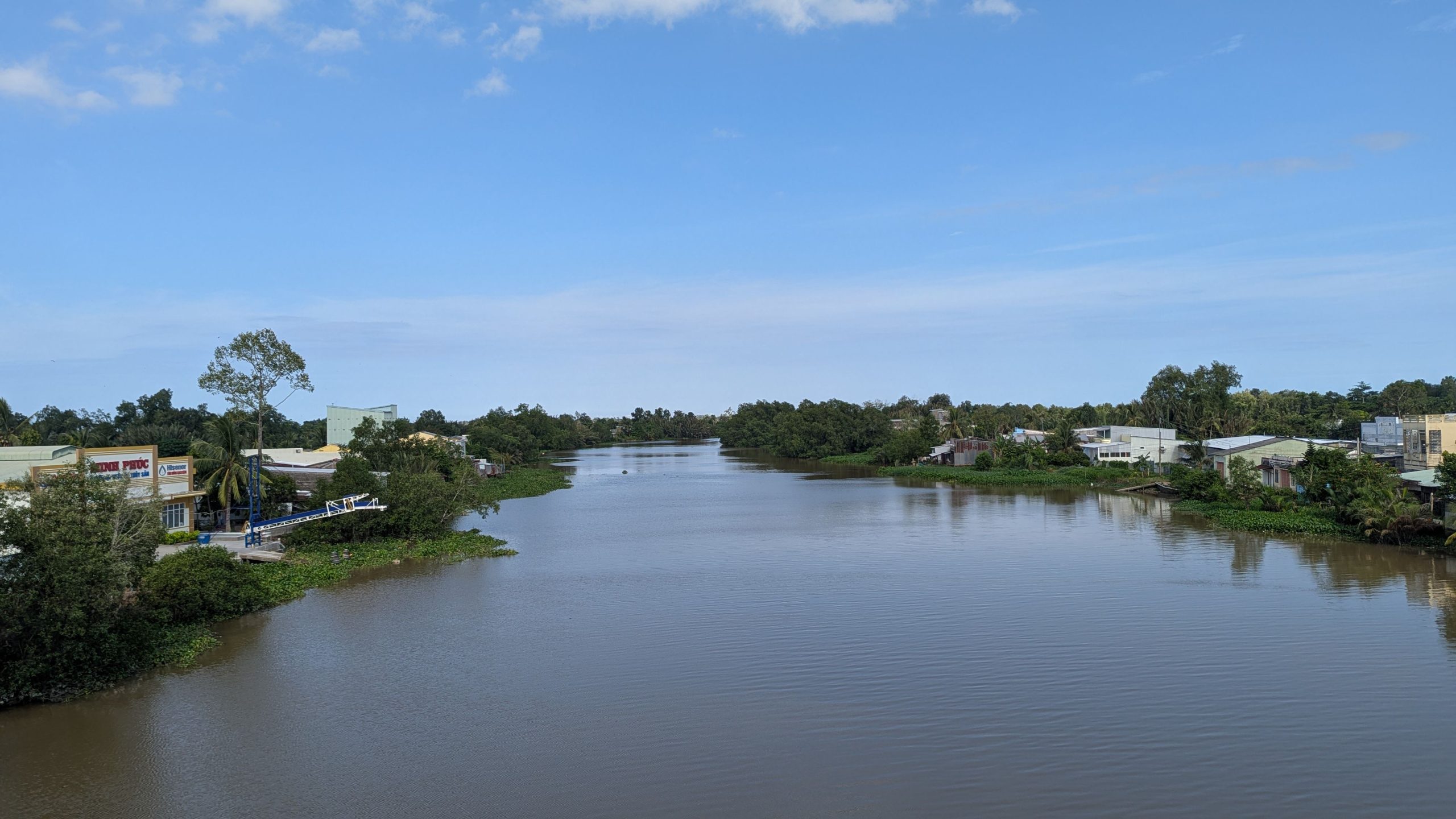
Outside the city area, hidden by a mix of leaves and quiet rivers is another part of Southern Vietnam. Here there is no lights. Instead you hear boats move on water the rustle of coconut trees in the wind and the slow way people live by the river. This labyrinth of liquid pathways forms an entirely different world where time stretches lazily and nature reclaims its supreme dominance over concrete and steel.
At Less Touristy Tour Vietnam we believe that the true heart of the area appears when you leave the places and go into nature. Finding places in Southern Vietnam means leaving city noise behind and sailing along waterways exploring mangrove forests and visiting island villages that big tourism has not reached. Every single winding canal holds a living story passed down through generations of boatmen, fishermen, and orchard keepers who have mastered the delicate art of coexisting with shifting tides. This guide invites you to a boat trip to explore the waterways of Southern Vietnam, where water shapes life, culture and calmness. Allow your senses to awaken as we navigate far beyond the tourist map into the untouched liquid heartland of the southern delta.
Part 1: The Water Geography of the South – A Maze
Southern Vietnam is mostly built around water. The lower Mekong River, called the River of Nine Dragons spreads into a delta with thousands of kilometers of rivers, canals, streams and flooded mangrove forests. Main tours focus on floating markets such as Cái Răng or tourist spots in Cần Thơ. The real wonder of Southern Vietnam lives far from these roads. As the massive river approaches the ocean, it shatters into a intricate web of life-giving arteries that irrigate the entire tropical landscape.
1. The Importance of Southern Waterways for the Environment
The canals are the lifeblood of the Southern Vietnam environment. These small waterways clean water, serve as homes for fish and other freshwater life. They carry soil that feeds farms. Without this continuous hydrological heartbeat, the fertile agricultural bowl that feeds millions of people across Southeast Asia would wither into salt-scarred plains.
The Canopy Effect: Unlike open river channels the hidden Southern Vietnam waterways are often covered by tangled coconut palms and tall mangrove trees giving shade over the water. This dense overhead greenery creates an enchanting, cool microclimate where sunlight filters through emerald leaves in scattered dancing patterns.
Tidal Patterns: The daily rise and fall of the South China Sea and Gulf of Thailand tides give these waterways a living cycle that tells when boats can move smoothly through channels. Local residents read these aquatic rhythms with absolute precision, knowing instinctively when the rushing waters will aid their journey or demand patient rest.
Part 2: Must-See Hidden Waterways and Secret Places in the South
To really feel the quiet side of Southern Vietnam travelers must go into areas that stay away from large commercial boats. True exploration requires venturing into protected biosphere reserves and forgotten backwaters where modern engine noise is replaced by the gentle splash of wooden oars.
1. Tràm Chim National Park (Đồng Tháp) – The Wetland Gem of the Plain of Reeds
Located in the Đồng Tháp Muỗi area Tràm Chim National Park is a preserved wetland that feels far from city noise. As one of the last remaining fragments of the original giant plain of reeds, this ecological treasure trove protects fragile species found nowhere else on earth.
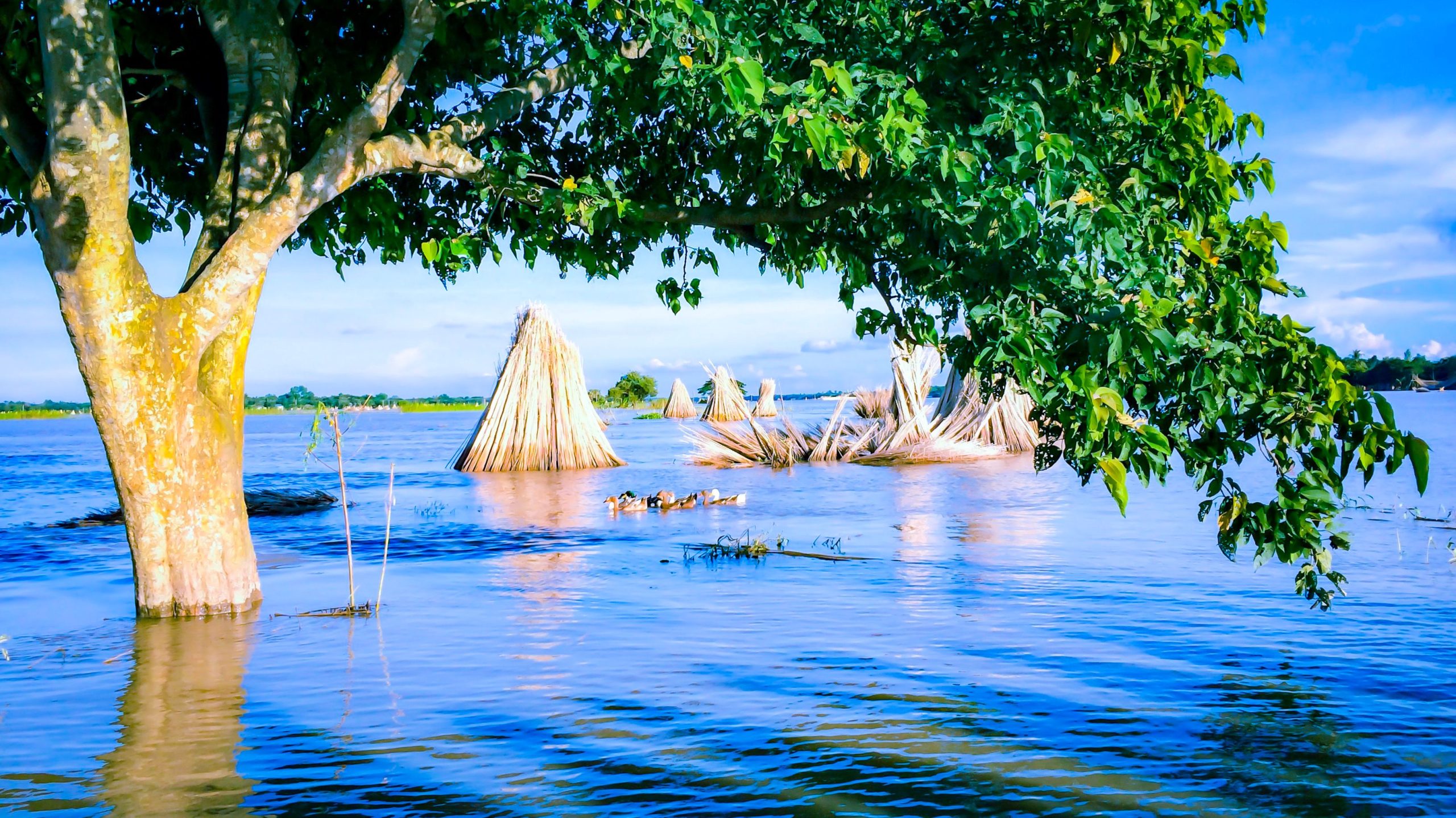
The Flooded Area: During the flood season the whole area becomes a shining inland sea with cajeput trees and bright pink lotus flowers. Vast expanses of submerged vegetation transform the wetland into a breathtaking mirror reflecting the endless blue of the tropical sky.
Bird Home: This protected area is a home for birds, including the Eastern Sarus Crane. Small wooden boats let you move quietly past bird nests without disturbing them. The morning air fills with the haunting calls of thousands of migratory birds taking flight above the misty canopy.
Learn more: Tour exploring Tràm Chim. Experience the flood season for two people…
2. The Mangrove Forests of Cần Giờ Biosphere Reserve
Situated on the coast of the city Cần Giờ is the step from concrete to a protected UNESCO Biosphere Reserve. This remarkable coastal ecosystem acts as an essential shield protecting the mainland while offering a pristine wilderness right at the metropolis doorstep.
The Green Area: Often called Ho Chi Minh City’s lung this mangrove forest was restored after wars. Now is a water maze. Towering stilt-rooted trees create an impenetrable green fortress that filters the air and provides a thriving sanctuary for aquatic biodiversity.

Monkey Island and Bat Ponds: Rowing along paths shows ponds where saltwater crocodiles, coated otters and wild monkeys live in peace. Observing these resilient creatures in their natural habitat offers a humbling reminder of nature’s remarkable capacity for healing and regeneration.
Learn more: Eco tour of Cần Giờ mangroves. Escape the city for groups…
3. Untouched Floating Villages and Hidden Canals of An Giang
While most river tours focus on city ports going north toward the border in An Giang opens a world of stilt houses along canals. Here, the borderlands blend Vietnamese, Khmer, and Cham cultural influences into a unique aqueous society.
Floating Life: Local families live entirely on floating houses. They grow fish while children travel to school on skiffs. Entire communities rise, trade, and socialize on the water, treating rivers not as barriers, but as their primary neighborhood streets.
The Cajeput Forests of Trà Sū: Gliding through the flooded cajeput forests on bottomed boats covered in duckweed feels like a dream, a cinematic picture. The water glows with a surreal emerald hue as floating green carpets part gently beneath the hull of your quiet wooden boat.
Learn more: Tour exploring Trà Sư cajeput forests and the untouched south for nature lovers…
Part 3: The Way of Slow Travel – Drifting Beyond the Noise
Navigating the hidden waterways of the south needs a way of traveling—one that focuses on patience, mindfulness and deep immersion. By discarding rushed itineraries and rigid schedules, travelers open themselves up to spontaneous encounters and profound moments of stillness.
1. Best Times for Southern Waterway Exploration
The southern weather has two seasons each giving benefits to travelers who want to find places in Southern Vietnam:
The Dry Season (December to April): skies, little rain and comfortable humidity make it perfect for long bike rides along orchard canals and clear-weather boat trips. Sunlight bathes the fertile fruit orchards in golden warmth, making every pathway crisp and easy to navigate.
The Flood Season / Floating Season (September to November): The time for nature lovers. As floodwater rises from the Mekong River fields turn into lakes floating markets fill with water lilies and wildlife watching is at its best. This is when the delta reveals its most authentic, dynamic personality, swelling with nutrient-rich waters that bring boundless life to the countryside.

2. Choosing Water Transportation
To protect the water life and keep motor boats are used less. Instead real local boats are chosen:
Traditional Wooden Boats: Paddled by people who know how to move through shifting channels and secret shortcuts.
Stand-up Paddleboarding: Offered in protected areas letting active travelers move silently through coconut paths on their power.
Expert Local Boatmen: Important for showing the canal network and sharing stories, legends and knowledge at every bend.
Part 4: Life Along the River – Living by the Water
The soul of Southern Vietnam cannot be separated from the river communities that have lived along the banks for centuries. Life here moves at the pace of the currents.
1. Houses Built for the Tides
Stilt and Floating Homes: Houses are built on timber stilts over the water or on floating structures that rise and fall with the tide.
Waterfront Living: Front doors traditionally face the river or roads showing that rivers were the highways of the delta.
2. Special Southern Delta Food
No trip through the hidden waterways of the south is complete without tasting the food from the region:
Sour Fish Soup (Canh Chua Cá Lóc): A soup made from river fish, tamarind, pineapple, elephant ear stems and aromatic rice paddy herbs.
Crispy Elephant Ear Fish (Cá Tai Tượng Chiên Xù): Fresh river fish fried to a crisp wrapped in rice paper with herbs, star fruit and dipped in sweet-and-sour tamarind fish sauce.
Fresh Tropical Fruits: Enjoy dragon fruit, rambutan, mangosteen and durian picked hours directly from trees along the canal banks.

Part 5: Eco Travel – Protecting Fragile Water Areas
At Less Touristy Tour Vietnam protecting habitats and making sure local river families are well are at the heart of our work.
1. Following Strong “Leave No Trace” Water Rules
Plastic Waste Elimination: Single-use plastics are not allowed on any boat trips. All drinking water is in glass or stainless steel bottles.
Waterway Protection: No litter or chemicals are ever thrown into rivers, canals or mangroves. We respect plants. Protect bird nests.
2. Helping River Communities Directly
To make sure tourism money goes to families of big companies travelers are encouraged to:
Book stays at homes run directly by orchard owners.
Hire local boat rowers and guides from the area.
Buy handmade items and fresh fruit directly from farmers on the riverbanks.
Let Less Touristy Tour Vietnam Guide Your Trip
Southern Vietnam is more than the lights of its city center.
The peaceful beauty of Southern Vietnam lives in waterways that wind under mangrove trees and in river villages that greet travelers with arms and old-fashioned kindness.
If you want to leave the noise of the city listen to the splash of oars. Find the hidden treasures of Vietnam we can plan a trip that takes you on a relaxing water adventure.
Visit Less Touristy Tour Vietnam today to create your custom trip, beyond the routes and glide into a world of culture.