

Hidden Gems in Northern Vietnam: Into the Mist and Limestone Labyrinths
Introduction: Venturing Beyond Northern Vietnam’s Well-Trodden Paths
When international travelers and passionate local explorers think of Northern Vietnam, iconic destinations instantly come to mind: the bustling, lantern-lit alleys of Hanoi’s Old Quarter, the ethereal terraced rice fields winding across Mù Cang Chải, or the majestic limestone pillars of Hạ Long Bay rising proudly from emerald waters. Undeniably, these world-renowned landmarks possess breathtaking, world-class beauty. Yet, hidden beyond these mass-tourism routes lies an entirely different Northern Vietnam—pristine, tranquil, often shrouded in the thick mountain mists and deeply rooted within ancient limestone labyrinths.
Welcome to Less Touristy Tour Vietnam—where we believe the true essence of a destination only reveals itself when you step away from the crowded paths and connect directly with authentic local cultures. This article will guide you on an immersive journey through Hidden Gems in Northern Vietnam: Into the Mist and Limestone Labyrinths.

See more: 10 days in Northern Vietnam
Part 1: Northern Vietnam’s Limestone Labyrinths – Millions of Years in the Making
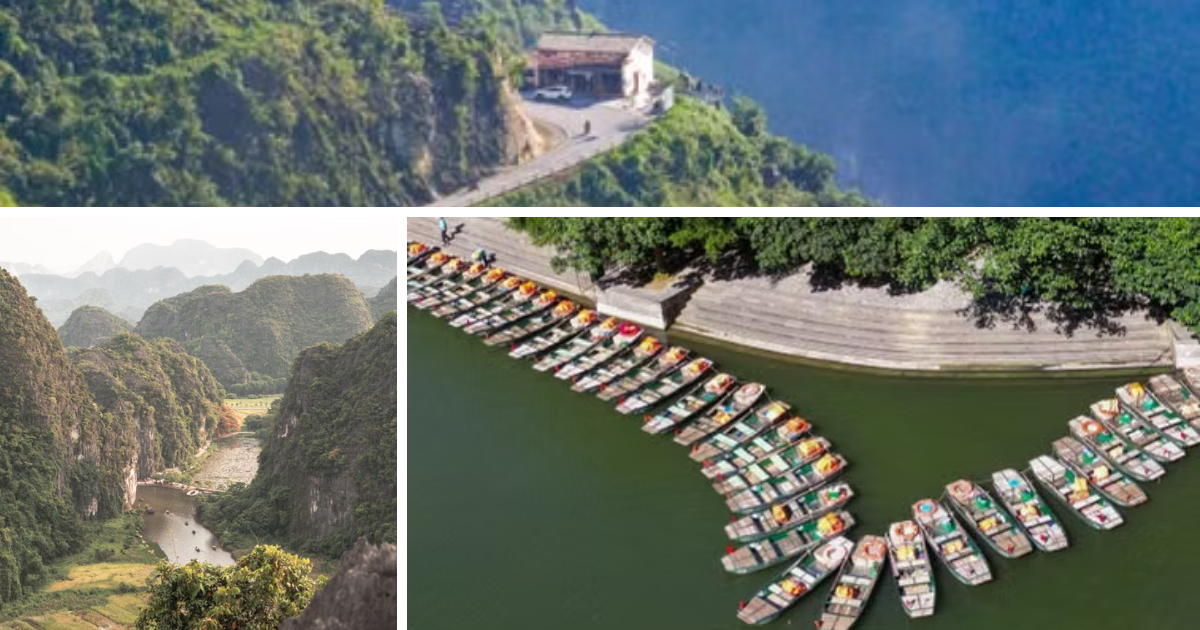
Northern Vietnam forms part of Southeast Asia’s massive karst belt, shaped by millions of years of weathering into magnificent limestone mountains, deep valleys, and sprawling underground cave systems. While Hạ Long Bay or Tràng An are popular, mainstream icons of this topography, the lesser-known regions discussed below serve as true sanctuaries for adventure seekers and those searching for absolute serenity.
1. Hidden Biosphere Reserves and Karst Plateaus
Beyond the famous Đồng Văn Karst Plateau in Hà Giang, Northern Vietnam possesses countless isolated sub-regions that even veteran backpackers may have yet to explore. Hanging valleys tucked snugly between sheer limestone cliff walls allow time to slow down, preserved by the weathered timber homes and traditional yin-yang tiled roofs of ethnic minority communities.
-
- Topographical Characteristics: Towering limestone mountain ranges form natural fortresses enclosing tiny villages populated by just a few dozen households.
- The Mist Phenomenon: During autumn and winter, valley mists rise, weaving through rock crevices, blanketing homes and terraced fields, and creating a surreal fairyland landscape.
Part 2: Unmissable Hidden Gems Amidst Northern Vietnam’s Mist
To help you visualize this “Into the Mist and Limestone Labyrinths” journey, let’s explore some of the least touristy yet most compelling destinations.
1. Bắc Sơn Valley (Lạng Sơn) – A Poetic Watercolor Painting in the Early Mist
Located about 160km north of Hanoi, Bắc Sơn Valley is surrounded by majestic limestone mountain ranges formed millions of years ago. Its unique feature is the gentle winding of the Mòng River across vast, flat rice fields, creating a mirror-like valley of serene beauty.
- Conquering Nà Lay Peak: To capture the panoramic beauty of Bắc Sơn, visitors must climb over 1,200 stone steps to the summit of Mount Nà Lay. The most magical moment unfolds at dawn, when a sea of clouds rolls over the limestone ranges and the first morning rays pierce through the faint mist, illuminating the lush green valley below.
- Local Culture: This area is primarily home to the Tày ethnic minority group, who inhabit traditional stilt houses nestled against mountain bases. Travelers can participate in agricultural activities and savor rustic local delicacies such as Lạng Sơn roasted duck, khâu nhục (braised pork belly), and traditional corn cakes.
2. Pù Luông Nature Reserve (Thanh Hóa – Bordering Northwest Vietnam)
Although Pù Luông has gained popularity recently, venturing deeper into remote mountain villages like Son – Bá – Mười reveals an entirely different Pù Luông—pristine, secluded, and challenging for even the most experienced riders.
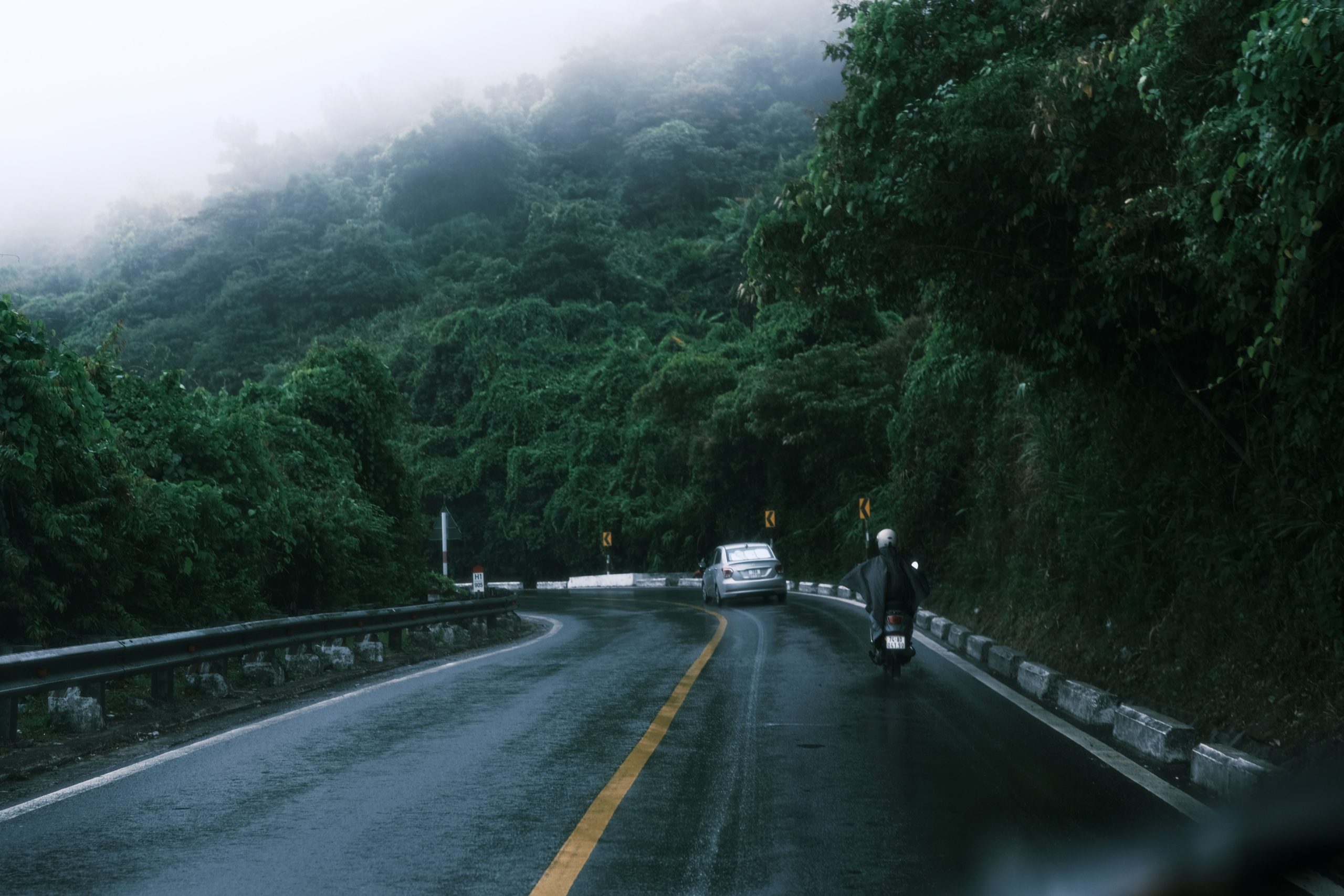
- A Labyrinth of Clouds and Mountains: Situated at an altitude of over 1,000 meters above sea level, Son – Bá – Mười resembles a wilder, more isolated “mini-Sapa” untouched by heavy tourism. The winding road up the settlement hugs sheer limestone cliffs tightly.
- Self-Sustaining Lifestyle: Local residents live almost completely detached from modern technology. Free of mobile signals and city lights, nights here offer stargazing under clear skies accompanied by the crisp, biting cold of high-altitude mountain air.
3. The Primeval Karst Lands of Cao Bằng: Unexplored Trùng Khánh and Thạch An
When mentioning Cao Bằng, travelers instantly think of Bản Giốc Waterfall or Ngườm Ngao Cave. However, stepping away from the main tourist hubs into border communes or limestone valleys in Thạch An transports you to a completely primitive world.
- Unexplored Cave Systems: Cao Bằng’s mountains are riddled with limestone caves absent from mainstream tourist maps. Many caves preserve pristine, glistening stalactites untouched by commercialization for millions of years.
- “Hole Forests” (Phja Dạ and Karst Valleys): Dense forests sprouting across limestone formations create a unique ecosystem where bird songs echo endlessly through mist-shrouded spaces.

Part 3: The Art of Exploration – Venturing Deep Into Mist and Stone Labyrinths
Exploring hidden gems requires a mindset entirely distinct from standard sightseeing tours. This is not a rushed “check-in” journey, but an opportunity to fully immerse yourself in nature and local culture.
1. Ideal Times for Cloud Hunting and Mist Exploration
Northern Vietnam experiences a monsoon subtropical climate with four distinct seasons, but the premier times to experience “Into the Mist and Limestone Labyrinths” are:
- September to November (Autumn): Cool weather, golden ripe rice fields contrasting against limestone ranges, with morning and evening mists rolling in.
- December to February (Winter – Spring): The peak season for dense fog. High mountain temperatures drop significantly, occasionally bringing frost to high summits, creating an exceptionally mystical, cinematic landscape.
2. Safe Transportation and Travel Methods
With winding mountain passes and narrow dirt tracks cutting through limestone formations, choosing the right transport is crucial:
- Motorbike: The top choice for adventurous backpackers seeking freedom. Motorbikes allow easy stops at any scenic corner to admire cloudscapes. However, they require strong driving skills, reliable brakes, and mountain-riding experience.
- High-Clearance SUVs / 4x4s: Ideal for groups or families wanting to explore remote areas safely despite foggy weather and slippery tracks.
- Local Guides: In complex limestone labyrinths, hiring a local guide ensures you stay on track while unlocking cultural stories and legends tied to every mountain and stream.
Part 4: Local Culture – Warmth Amidst the Mist
Behind the rugged limestone terrain and chilly mountain mists lies the warm, humble hospitality of ethnic minority communities such as the Tày, Nùng, H’Mông, Dao, and Thái.
1. Architecture Harmonized with Nature
- Wooden Stilt Houses: Built closely against mountain bases or gentle hillslopes to protect against wildlife and flash floods.
- Earthen Rammed Walls and Yin-Yang Tiled Roofs: Common across karst plateaus, retaining heat in winter and keeping interiors cool in summer. The harmonious blend of earthy brown walls, mossy roof tiles, and white mist creates an unforgettable visual masterpiece.
2. Distinctive Highland Cuisine
No hidden gem exploration of Northern Vietnam is complete without tasting local culinary traditions:
- Hanging-Kitchen Smoked Pork: Free-range pork raised along mountain slopes, seasoned with local spices (mắc khén, wild pepper seeds) and slow-smoked over wood fires for months.
- Bamboo Tube Rice (Cơm Lam): Fragrant upland sticky rice cooked inside fresh bamboo tubes over glowing embers, served with sesame salt or chẩm chéo dipping sauce.
- Warming Corn Wine: Savoring a warm cup of corn wine by an open fire inside a misty stilt house serves as the ultimate remedy against the cold after a long, rewarding day of trekking.
Part 5: Sustainable Tourism – Protecting Pristine Gems
At Less Touristy Tour Vietnam, responsible travel remains our core philosophy. When stepping foot into destinations spared from over-commercialization, preserving that pristine state becomes our shared responsibility.
1. “Leave No Trace” Principles
- Waste Management: Absolutely avoid littering plastic waste or bottles in natural reserves, caves, or villages. Carry personal trash bags and dispose of waste in designated areas.
- Respecting Nature: Never break branches, carve names into million-year-old limestone walls, or harm fragile local flora and fauna.
2. Supporting Local Community Economies
- Instead of relying on mass-market corporate tourism services, prioritize:
- Booking homestays owned and operated by local families.
- Hiring local porters and mountain guides.
- Purchasing handicrafts and agricultural products directly from local farmers, providing them with legitimate income to protect forests and preserve traditions.
Conclusion: Let Less Touristy Tour Vietnam Guide Your Journey
Northern Vietnam extends far beyond destinations found on travel magazine covers. Its deepest, most sacred beauty thrives where mist blankets the paths, and towering limestone labyrinths shelter centuries-old indigenous cultures.
If you seek a journey to rediscover yourself, listen to the breath of wild nature, and touch the truest soul of Vietnam, our Hidden Gems in Northern Vietnam: Into the Mist and Limestone Labyrinths experience offers the perfect answer.
Visit Less Touristy Vietnam today to discover tailor-made itineraries that take you beyond beaten tracks and straight into an untold magical world!